
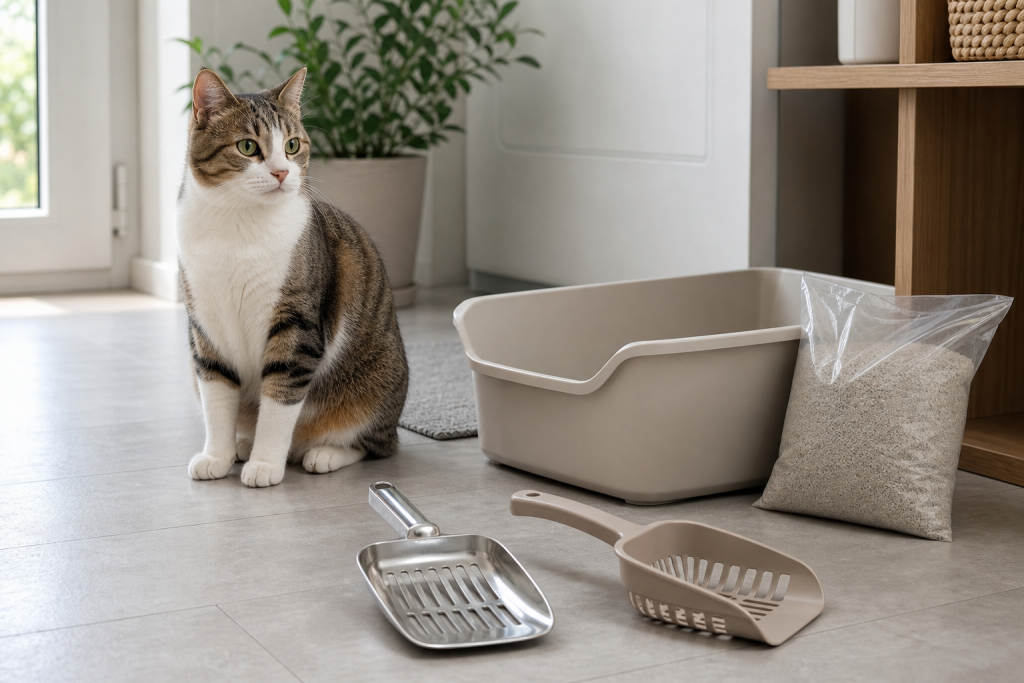
#cat litter
#cat litter attractant
#cat supplies
#litter box problems
A cat litter attractant can be worth trying, but it is not a shortcut around the real litter box problem. If the box is dirty, too small, hard to reach, too deep with litter or stressful for a multi-cat home, an additive may only make a weak setup slightly more expensive. Before you add one to the cart, check whether you are buying a helper or paying to avoid the fix your cat actually needs.
That matters now because cat litter add-ons are easy to throw into an online order after a mess, a move, a new kitten or a litter change. They look inexpensive next to replacing a box or changing the whole setup, but the wrong add-on can delay a vet check, hide a litter preference issue or leave you buying refills without solving anything.
What a litter attractant is supposed to do
Most litter attractants are powders, herbs or scented additives sold to make a litter box more interesting to a cat. Some are mixed into the existing litter, while others are part of a specific litter formula. The shopping promise is simple: encourage a cat to dig, step into the box and rebuild a habit.
The catch is that house-soiling is rarely just one product problem. The ASPCA notes that litter box issues can involve cleanliness, box count, box size, access, box covers, liners, litter depth, stress and painful elimination. Cornell’s Feline Health Center also says cats may avoid the box because of medical problems, box aversion or a preference for another location or surface.
That means an attractant is best treated as one trial tool, not the main fix. If your cat is straining, urinating often, crying, hiding, losing appetite, showing blood in urine or suddenly changing bathroom habits, contact a veterinarian before treating the cart as the solution.
The checkout checks that matter more than the front label
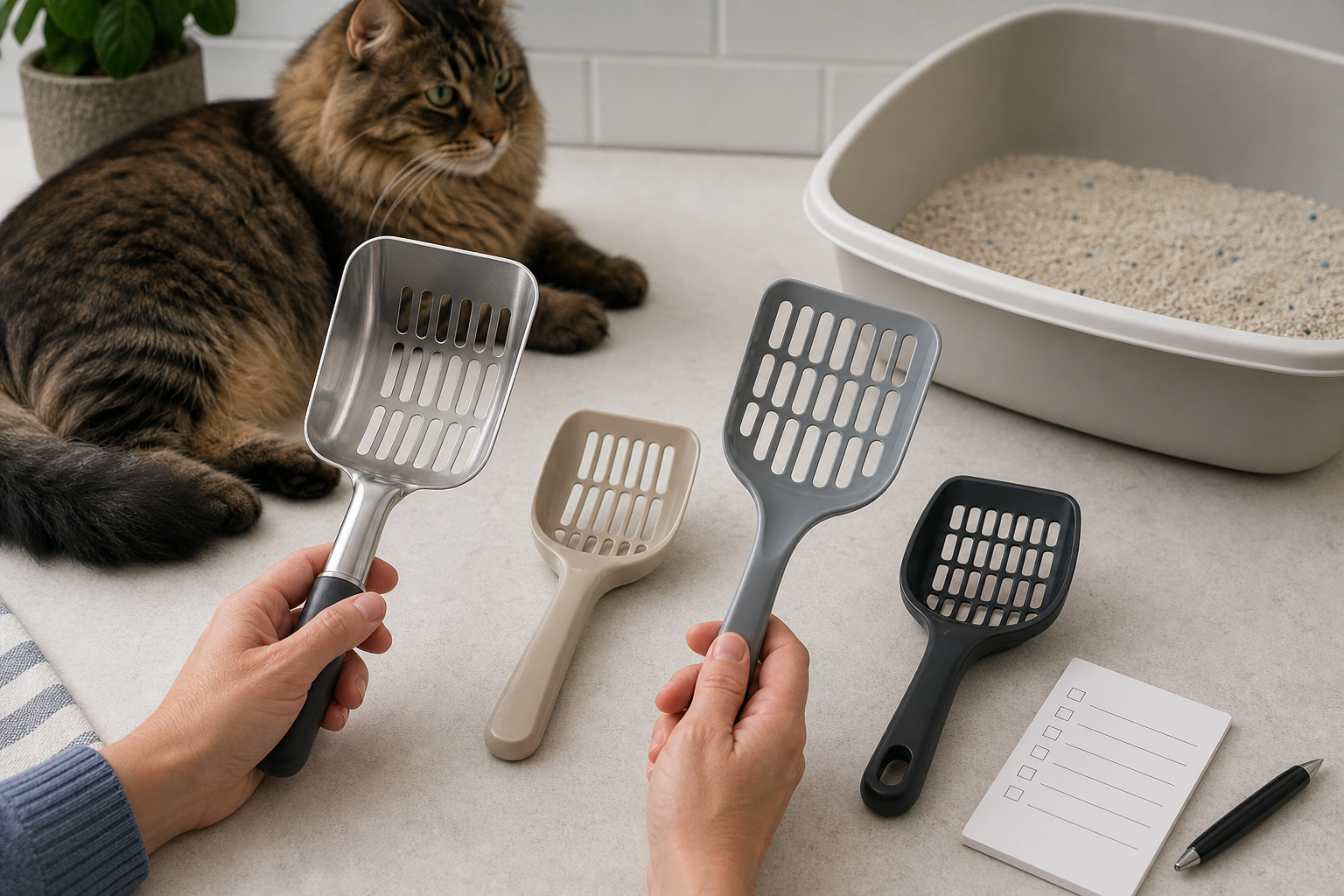
Before buying a litter attractant, check these details in the listing and in your home setup:
- Current box count: many cat behavior resources recommend one box per cat, plus one extra, especially in multi-cat homes.
- Box size and entry: a covered, cramped or high-entry box can be the real issue, particularly for large, older or less mobile cats.
- Litter depth: the ASPCA says cats usually prefer one to two inches of litter, so adding more product to an already deep box may not help.
- Scent conflict: avoid stacking attractant on top of strongly scented litter, deodorizer and perfumed cleaners. Cats can be sensitive to smells.
- Compatibility: check whether the additive is meant for clumping clay, pellets, crystals or a specific brand system.
- Trial size: choose a small container first if available. A bulk tub is not a deal if your cat avoids the texture or scent.
- Return terms: opened litter products and additives may be excluded or handled differently by each retailer.
When the deal is not really a deal
A litter attractant looks cheap when it is a small add-on at checkout. It gets expensive when you keep buying it because the box is still wrong.
Do the math by use, not by jar price. Check how many boxes you have, how often the product must be reapplied, whether it works with every litter change and whether you need one container per box. If a coupon only applies after you buy several tubs, ask whether you have already tested the product long enough to know your cat accepts it.
Autoship can also be awkward here. Litter attractant is usually a troubleshooting item, not necessarily a permanent supply. If you enroll for a first-order discount, check the recurring price, cancellation timing, shipping threshold and whether the next shipment arrives before you know if the first one helped.
What to fix before blaming the litter
Attractant is more likely to be useful after the basic box setup is already fair. Start with the low-cost fixes that behavior sources repeat most often: scoop daily, wash the box with mild unscented soap, keep boxes away from food and loud appliances, provide enough boxes, and avoid trapping a nervous cat in a single busy location.
The AAFP and ISFM house-soiling guidelines emphasize optimizing the litter box and meeting a cat’s environmental needs. In plain shopping terms, that means the box, location, substrate, access and household stress matter as much as any additive you sprinkle on top.
What to avoid
- Do not use attractant as a medical delay. Sudden litter box changes can have health causes, so ask your vet when signs are new, painful, frequent or unusual.
- Do not punish accidents. It can increase stress and make the box area feel worse.
- Do not combine too many scented products. Litter, deodorizer, cleaner and attractant can become an odor stack your cat rejects.
- Do not change everything at once. If you switch litter, box, location and additive together, you will not know what helped or hurt.
- Do not assume “natural” means accepted. Cats still judge texture, smell, dust and location.
A practical way to test one
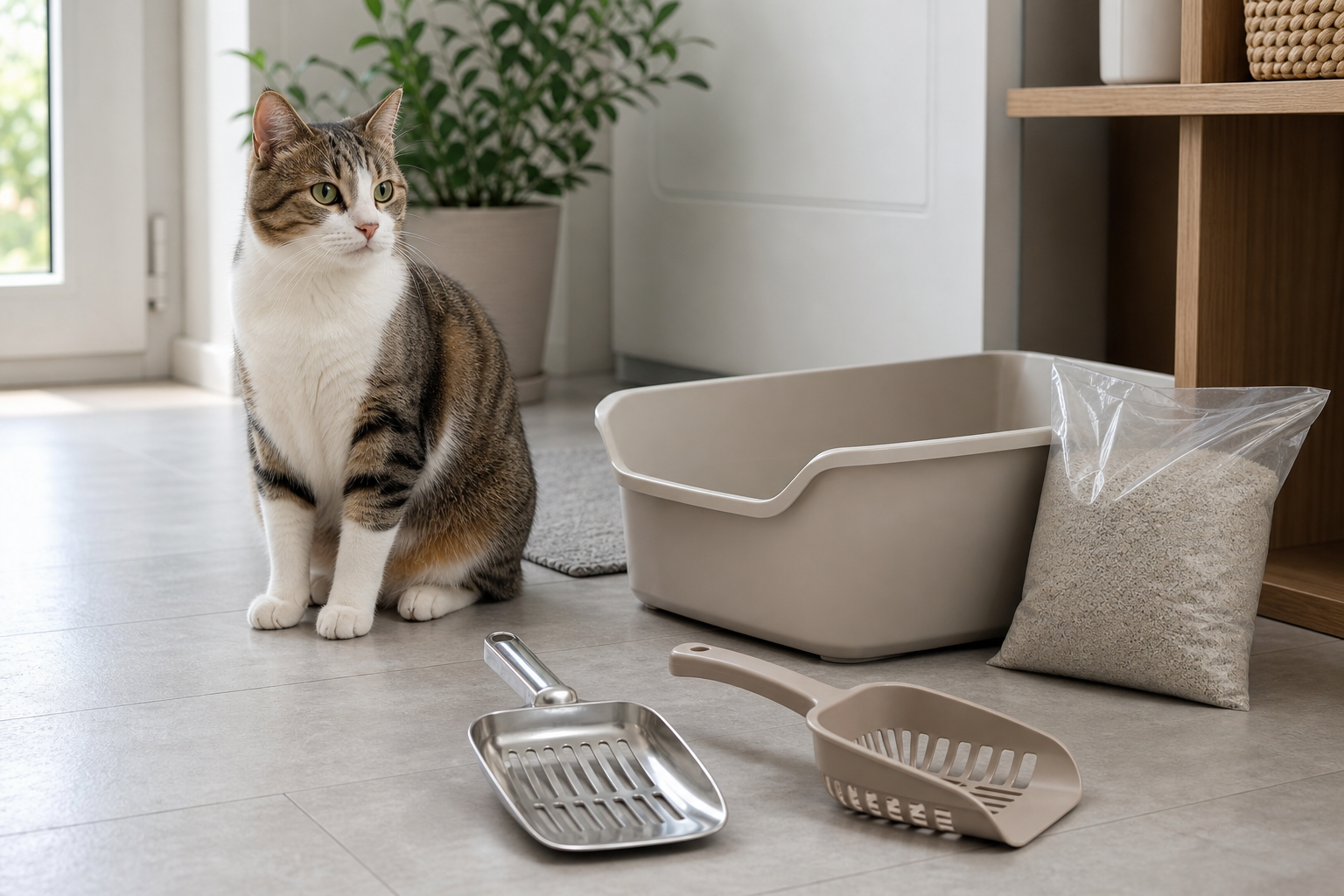
If the vet has ruled out urgent health concerns and your box setup is reasonable, test the attractant like a trial, not a commitment. Use one box as the test box while keeping another familiar box available. Keep the same litter depth, scoop schedule and location for a few days so the additive is the main variable.
Take notes before buying a refill: which box the cat used, whether digging changed, whether accidents decreased, and whether the product created dust or odor you dislike. If nothing improves, spend the next dollar on box placement, box size, litter texture or professional advice instead of another container.
Quick answers
Can litter attractant fix a cat peeing outside the box?
Sometimes it can help as part of a broader plan, but it should not be treated as a cure. Medical issues, stress, box size, litter type, access and cleanliness can all be involved.
Is it better to buy attractant or a new litter box?
If the current box is small, covered, hard to enter or in a stressful spot, a better box may be the smarter purchase. If the setup is already good and the cat dislikes a recent litter change, a small attractant trial may make sense.
Should I use it with scented litter?
Be careful. Many cats prefer a clean, simple setup, and layered scents can make the box less appealing.
Can kittens use litter attractant?
Check the product label and ask your vet or shelter contact for young kittens. Also make sure the box has a low entry and safe, age-appropriate litter.
Sources
Last checked: 2026-06-29 10:35 Europe/Rome.