
#cat tracker
#dog tracker
#GPS pet tracker
#pet tech
A GPS pet tracker deal can be a bad buy if it cannot report your pet’s location where you actually walk, camp or travel. Many popular pet trackers use GPS satellites to find position, then cellular networks to send that location to your phone, so weak service can turn a smart collar into a delayed update. Before checkout, compare the coverage area, subscription terms, battery life and return window, not just the discount on the device.
Why this matters now
Summer travel, campground weekends, hiking trips and fireworks-season escapes make GPS trackers feel especially useful. At the same time, pet-tech brands are pushing lighter dog and cat trackers with live tracking, virtual fences, health alerts and multi-year plans. Those features can be genuinely helpful, but they also make the real cost and reliability harder to judge from a sale badge.
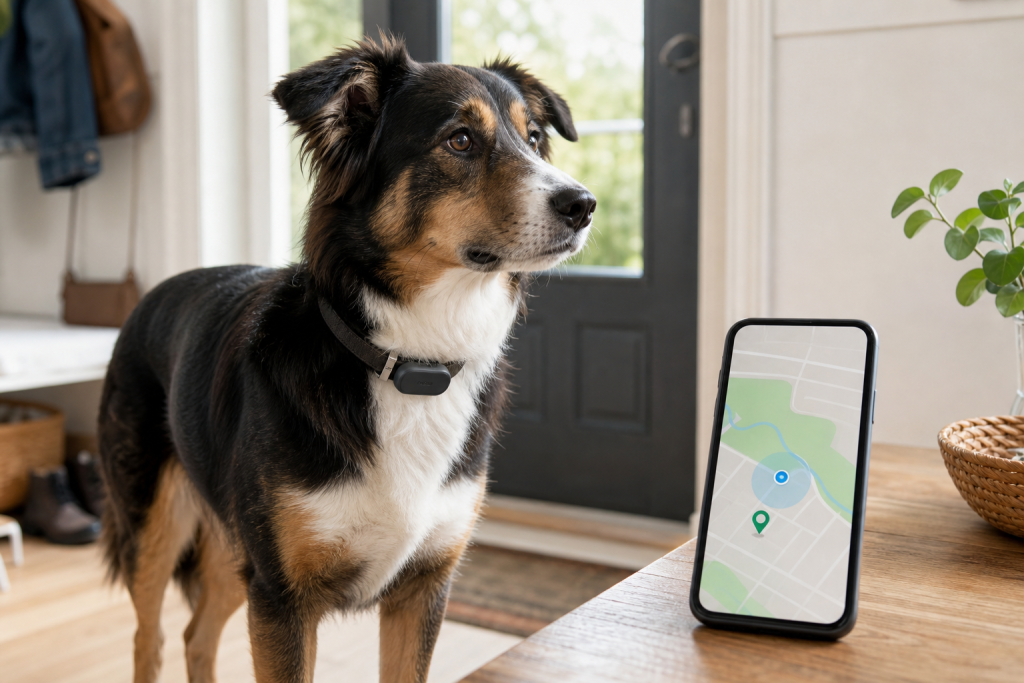
The detail shoppers often miss is the handoff between location and communication. A tracker may use GPS to work out where your dog or cat is, but many app-based models still need a mobile network to send that location to you. That is fine in many suburbs and cities. It is less reassuring if your pet bolts near a lake, trailhead, farm, rural rental or campsite with spotty service.
The coverage check to do before buying
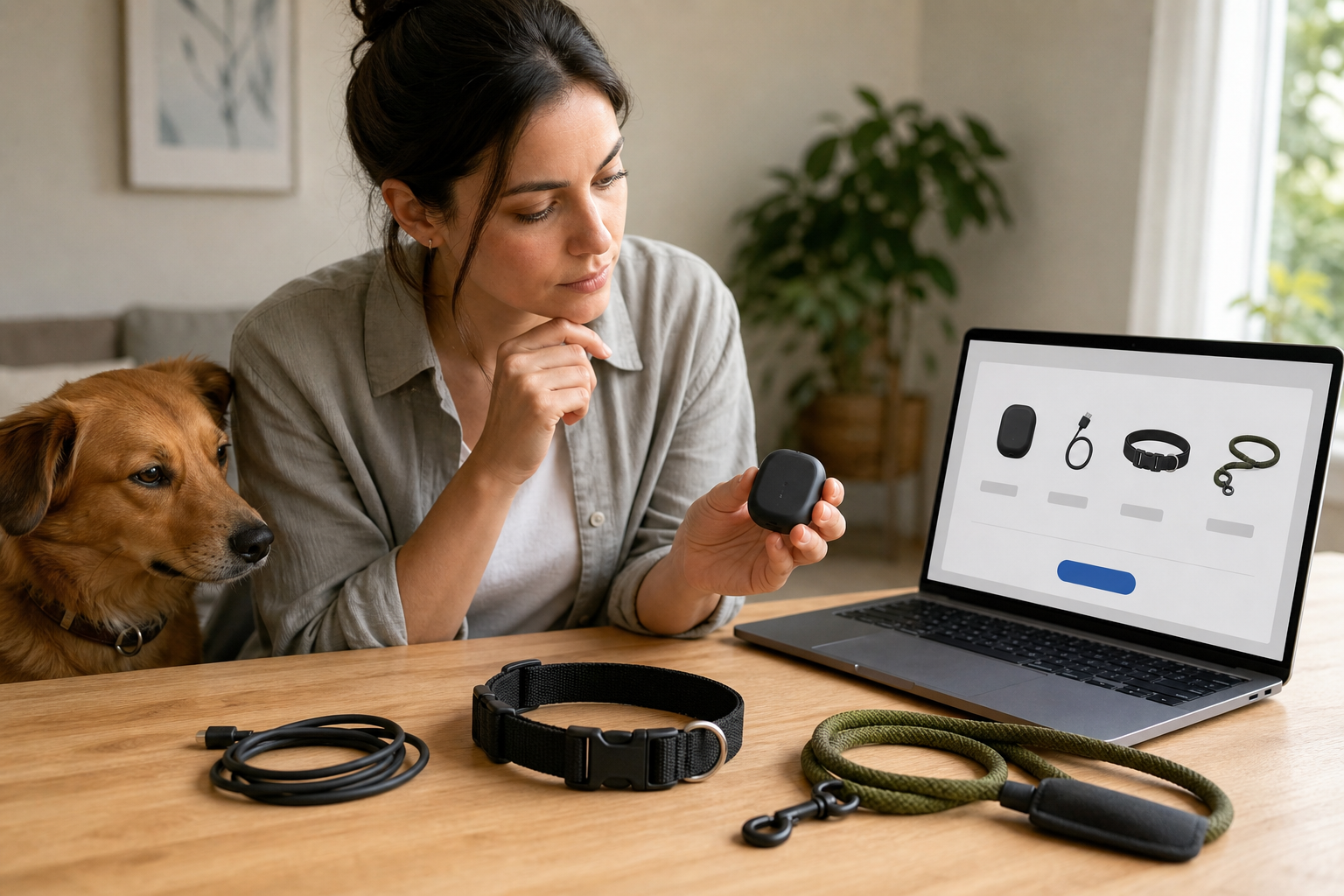
Start with the places where the tracker would matter most, not the places where your phone already works perfectly. Search the carrier or tracker coverage information for your home, your pet sitter’s address, the dog park, the campsite, the trail area and any vacation rental where your pet may be off leash or near an exit.
For U.S. shoppers, the FCC’s mobile coverage maps can help compare reported 4G LTE coverage from major carriers. Treat coverage maps as a screening tool, not a guarantee. Hills, trees, buildings, basements, metal crates, remote roads and local congestion can still affect real-world performance.
Then read the tracker maker’s own explanation of how the product reports location. Tractive, for example, says its trackers have built-in SIM cards and send location data to your phone through cellular networks. Its plan page also says each tracker needs a subscription tied to that tracker. That does not make the product bad, but it means the checkout question is bigger than “Is the tracker on sale?”
GPS, Bluetooth and radio are not the same purchase
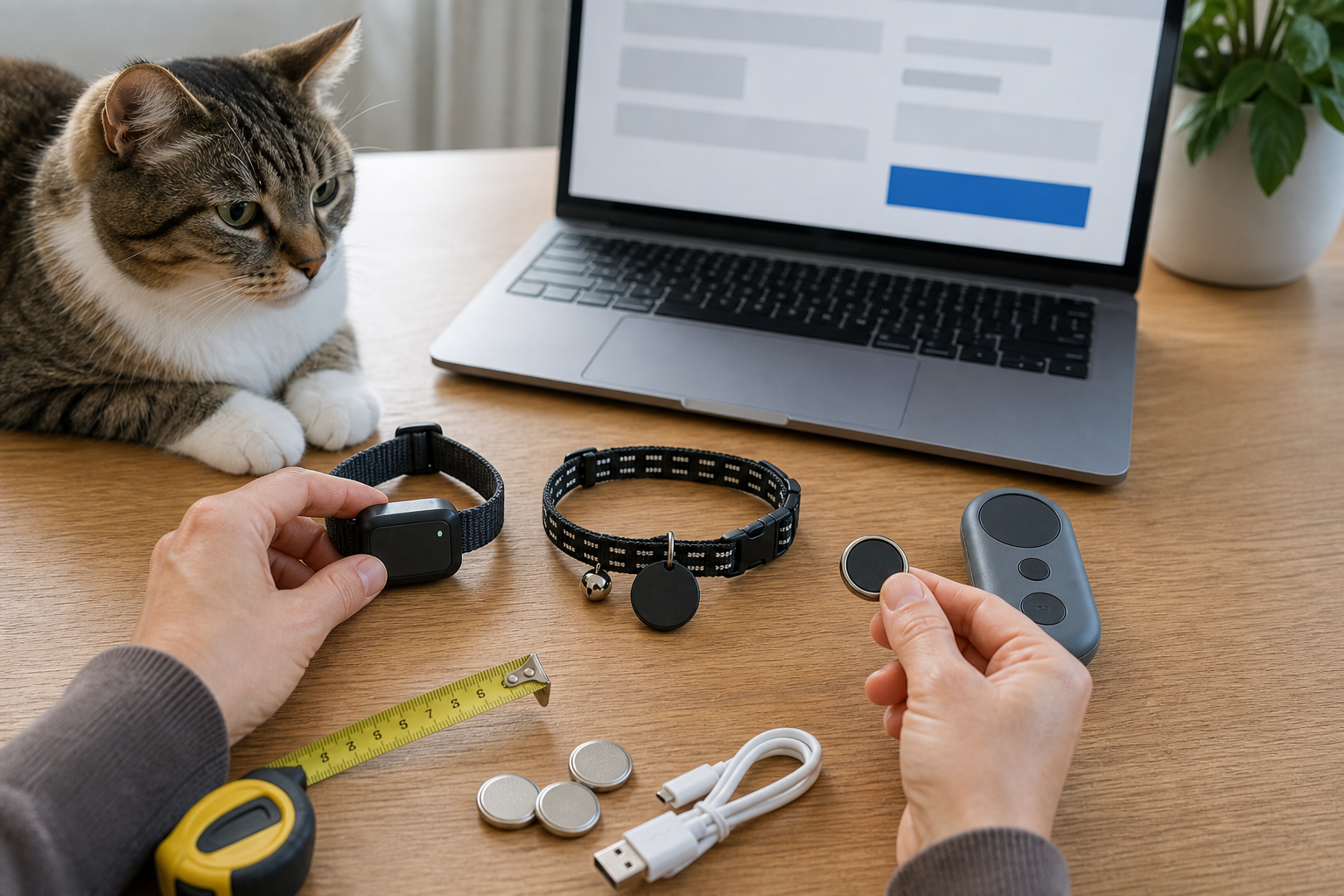
Do not compare every small tag as if it solves the same problem. A Bluetooth item finder can be useful around the house or in dense areas with compatible phones nearby, but it is not the same as a cellular GPS pet tracker. A cellular GPS tracker can update through a mobile network, usually with a subscription. A radio-linked tracker can work away from cell service, but may have a shorter advertised range and a separate handheld receiver.
That tradeoff matters for the kind of pet you have. A city cat that slips into a neighbor’s yard, a dog that visits a fenced dog park and a hiking dog that runs through rural woods do not need the same technology. Buying the wrong type can leave you paying either for a subscription you rarely need or for a device that cannot help in the one place you bought it for.
The checkout math shoppers should run
A cheap device price can hide the cost of the plan. Before buying, write down the device price, activation fee if any, subscription renewal date, cancellation rules, replacement coverage, extra pet cost and whether the advertised features require a higher tier. If you have two pets, check whether you need two separate plans.
Also check the battery claim under the mode you expect to use. Live tracking, weak signal, frequent escape alerts and travel days can drain a tracker faster than ordinary home use. If the battery life is quoted as “up to” a number of days or weeks, read the support notes and reviews for how that estimate changes with live mode, health tracking, poor coverage or no power-saving zone.
Returns matter more than usual for this category. A 30-day return window is useful only if you test the tracker in the actual places where your pet goes. Do that while the return window is still open, with the collar properly fitted and the app installed on every phone that may need alerts.
Deal and coupon checks before you pay
If a tracker is discounted, confirm what the discount covers. Some offers apply to the hardware only, while the plan renews later at normal price. Some bundles include a limited membership period, then auto-renew. Some protection add-ons cover loss or damage for an extra fee, which can be useful for escape-prone pets but should not be mistaken for the base subscription.
Check whether the retailer or manufacturer handles returns, warranty claims and plan cancellation. Marketplace listings can complicate this if the seller is not the brand. For pet tech, buying from a source with clear support may be worth more than a small third-party discount.
What to avoid
Avoid buying a tracker only because the hardware is cheap. If the subscription is required for the feature you care about, the first-year and third-year costs matter more than the checkout price.
Avoid assuming “worldwide coverage” means every rural path, beach, wooded trail or rental house will update instantly. It usually means the tracker can connect in supported countries where there is enough compatible mobile coverage.
Avoid using tracker data as a substitute for basic prevention. A secure collar or harness, readable ID tag, updated microchip registration, current photos and safe travel routines still matter. A tracker can help you search. It should not be the only thing standing between your pet and an escape.
A practical pre-purchase checklist
- Check mobile coverage where the tracker would matter most, including rural travel and pet-sitter locations.
- Confirm whether location updates require cellular service, Bluetooth proximity, a handset receiver or nearby network users.
- Calculate the device price plus one year and three years of plan costs.
- Check whether each pet needs a separate plan.
- Read the cancellation, auto-renewal, replacement and warranty terms.
- Verify collar fit, weight, water rating and breakaway safety for cats.
- Test live tracking, safe zones and alerts before the return window closes.
FAQ
Does a GPS pet tracker work without cell service?
Some do, but many app-based pet trackers use cellular networks to send location updates to your phone. If you need off-grid tracking, compare radio-based or handheld systems and read the advertised range carefully.
Is a no-subscription tracker always cheaper?
Not always. A no-subscription device may cost more upfront, and it may use a different tracking method with different range limits. Compare total cost and use case, not just the monthly fee.
Should I buy a tracker instead of updating my pet’s microchip?
No. A tracker and a microchip solve different problems. A tracker may help you search in real time, while a registered microchip helps a shelter, clinic or rescuer contact you if your pet is found.
Sources
Sources last checked: 2026-07-05 19:33 Europe/Rome.
- Tractive, pet GPS tracker and product details: https://tractive.com/
- Tractive, subscription plan explanation: https://tractive.com/en/c/plans
- FCC, Mobile LTE Coverage Map: https://www.fcc.gov/BroadbandData/MobileMaps/mobile-map
- Aorkuler, no-subscription radio/GPS dog tracker product details: https://aorkuler.com/products/aorkuler-dog-gps-tracker
- The Verge, 2026 Tractive dog and cat tracker coverage: https://www.theverge.com/tech/907947/tractive-dog-6-xl-cat-mini-pet-trackers-health-monitoring-location
- Apple Support, AirTag and Find My setup for personal items: https://support.apple.com/en-us/101602