
#cat safety shopping
#dog safety shopping
#magnetic toy recall
#pet toy safety
#product recall
The recalled magnetic stick figure toys are worth checking if you have a dog or cat at home because loose high-powered magnets can become a floor-level ingestion hazard. The CPSC recall is aimed at children, but the same broken pieces that fall under a sofa can attract curious pets. Before buying cheap magnetic desk toys, fidget sets or clearance play sets, check whether the magnets can come loose and whether the seller is tied to a current recall.
On October 1, 2026, the U.S. Consumer Product Safety Commission announced a recall of GBYMIUY Magnetic Stick Figure Toy Sets. The agency said the toys can release loose high-powered magnets and violate the mandatory toy standard. About 10,750 sets were sold online at Amazon.com from April 2026 through July 2026 for about $20, according to the recall notice.
Why this matters in a pet home
This is not a pet toy recall, and the CPSC notice does not report pet injuries. It still matters for pet shoppers because dogs and cats do not separate “kid toy,” “desk toy” and “pet toy” once a small object is on the floor. A toy set with small magnetic parts can move from a child’s room to a living room, a holiday gift pile, a purse, a playroom bin or a couch cushion gap.
The recall describes multi-colored human-shaped figures with magnets in the hands and feet. The brand name “GBYMIUY” and number “X004TVHD2Z” appear on the packaging. If you bought a similar pack this year, do not rely on the product photo alone. Match the name, package marking, seller details and purchase window against the official recall page.

The checkout check before buying magnetic toys
Magnetic toys are easy to toss into a cart because they look small, cheap and entertaining. In a pet household, the question is not only whether a child can use them safely. It is whether every magnetic piece stays attached after rough play, storage, cleanup and the normal chaos of a home with animals.
- Search the exact brand and model number with the word “recall” before buying.
- Check whether magnets are fully enclosed or exposed at joints, hands, feet or connectors.
- Avoid loose magnet sets in rooms where pets nap, play or scavenge.
- Choose larger, non-magnetic alternatives when the toy will be used around a dog that chews or a cat that bats small objects under furniture.
- Keep the receipt and seller name, especially for marketplace purchases where similar listings can look interchangeable.
The biggest mistake is treating a low price as proof that the risk is low. A $20 toy can still create an expensive and frightening problem if small parts scatter. If a product page hides the importer, model number, age grading, warning language or return path, that is a reason to slow down before checkout.
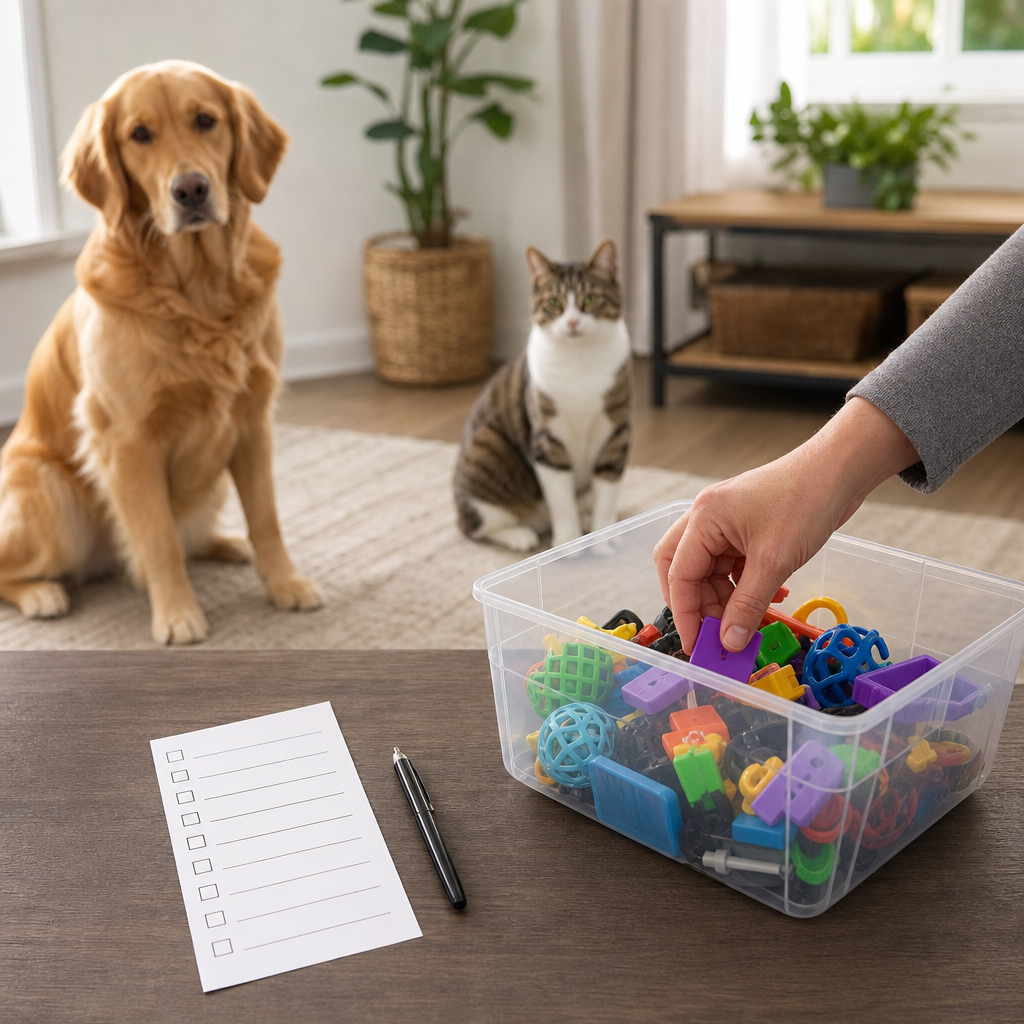
Deal and coupon angle: cheap magnetic toys need a stricter cart check
Sale pages can make small toy sets look like harmless add-ons, especially before holidays. Do not buy a magnetic toy because a coupon, lightning deal or bundle price makes it feel disposable. If you cannot verify the brand, model, seller and recall status, the discount is not doing useful work.
For Amazon or other marketplace orders, save the order page, seller name and invoice before opening the product. The CPSC notice says the refund process for this recalled product requires consumers to contact GBYMIUY and dispose of the toy after following the recall instructions. Retailer policies can change, so verify the current return path before assuming a marketplace seller will handle the problem quickly.
What to do if you already have one
If the package matches the CPSC recall, stop using the toy and follow the official recall instructions. Do not donate it, resell it or move it into a pet room as a fidget toy. The recall says consumers should take the stick figures away from children, stop using them and contact the company for a refund.
For pet safety, count the pieces before storage and after play. Vacuum and check under sofas, pet beds, crates, rugs and low shelves if any small magnetic parts may have fallen. If you think a dog or cat swallowed a magnet or any other foreign object, contact your veterinarian or an animal poison control service promptly rather than waiting to see what happens.
What to avoid
- Do not let pets play with recalled toys, even “just for a minute.”
- Do not assume one missing part is harmless if the toy contains multiple magnets.
- Do not buy replacement sets from a different seller unless the brand and model are clearly outside the recall.
- Do not store small magnetic toys in open baskets, low drawers or treat bins where pets already investigate.
- Do not follow home-remedy advice for a suspected ingestion. Ask a veterinarian what to do for your specific pet.
Merck Veterinary Manual notes that gastrointestinal foreign bodies can obstruct the digestive tract in small animals. The CPSC magnet safety page explains why swallowed magnets are different from many ordinary small objects: multiple magnets can attract inside the body. That is enough reason to keep small magnetic toys out of pet-accessible spaces.
Quick answers
Is this a dog or cat product recall?
No. It is a CPSC recall for a magnetic toy set sold for children. The pet-shopping relevance is household safety: loose toy magnets can end up where dogs and cats chew, bat, sniff or swallow small objects.
Should I throw away every magnetic toy?
Not automatically. Start by checking the exact product against the recall. Then judge whether the magnets are secure, whether pieces are small enough to disappear, and whether your pet has access to the room where the toy is used.
Can I still buy magnetic toys if I have pets?
Yes, but be selective. Avoid cheap loose-magnet sets in pet-accessible areas, keep parts counted and stored, and choose non-magnetic toys when the item will be used in a shared family room.
Sources
Sources last checked: October 3, 2026, 13:33 CEST, Europe/Rome.