
#battery ingestion
#button batteries
#CPSC recall
#Giant Bicycle
#pet safety
The recalled Giant Bicycle LED-light bike lock key matters for pet owners because it is a small household item with an accessible button-cell battery, not because it was made for pets. If that key drops near a food bowl, leash basket, entryway table or garage floor, a curious dog or cat can turn a bike accessory into a battery-ingestion risk. Check the recall model details before you keep using the LED key, and do not treat a discounted light-up accessory as harmless just because it is not a pet toy.
Why This Recall Matters Now
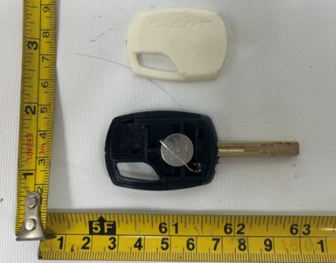
On October 8, 2026, the U.S. Consumer Product Safety Commission announced a recall of Giant Bicycle LED-light keys included with certain SureLock bicycle lock sets. The recall says the LED-light key can give easy access to its button battery and that the product lacks required warnings under Reese’s Law. CPSC lists about 3,630 units in the United States, plus 1,395 in Canada, with sales through Giant Bicycle authorized stores and Giant’s website from March 2023 through August 2026.
That is not a pet-supply recall, but the shopping lesson is very pet-specific: small light-up items, remote controls, tags, toys, keys and checkout add-ons can end up where pets investigate them. The ASPCA warns that everyday batteries can create hidden dangers for pets, and the safest shopping habit is to treat accessible batteries like small parts that do not belong on floors, low tables or open baskets.
Check The Key Before You Toss It In The Leash Basket
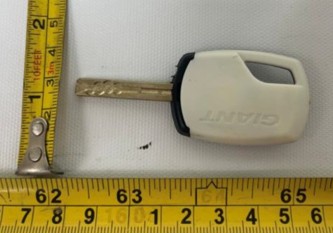
The recalled item is the Giant Bicycle-branded black-and-white LED-light bike lock key that came with certain pre-keyed SureLock bicycle lock sets. CPSC says only LED-light keys manufactured after March 2023 are included, and the affected serial numbers are tied to the bicycle lock set. The serial number is on the underside of the bike lock, so the key alone may not be enough to confirm whether your set is affected.
- Find the bike lock, not just the loose key.
- Compare the serial number with the CPSC or Giant recall information.
- Keep the LED key away from pets while you check it.
- Do not let a dog chew the key ring, the plastic key body or any loose battery cover.
- If the battery compartment is open, cracked or missing a cover, move it out of reach immediately.
The Buying Mistake Is Bigger Than This One Key
This recall is a good reminder to look past the headline feature on light-up gear. A tiny LED may make a bike lock, pet collar light, tag, remote or holiday decoration look useful, but the real checkout question is whether the battery compartment is secure enough for a home with pets. If the product has a coin or button battery, check for a screw-secured compartment, clear warnings, replacement-battery instructions and a return path before you buy.
For dog and cat homes, the highest-risk place is often the drop zone: keys in a bowl by the door, a lock clipped to a leash hook, a drawer that does not close, or a garage shelf where a pet follows you inside. If you are buying any light-up accessory during a sale, inspect the battery cover as carefully as the discount.
Deal And Coupon Checks Before Paying
Do not let a clearance price, bundle discount or coupon code push you into keeping a small battery-powered accessory you cannot inspect. A cheap light-up feature is not a deal if the battery door is flimsy, the warnings are missing, the seller is hard to contact or the return window closes before you test the latch.
- Check whether the seller is the brand, an authorized retailer or a marketplace listing with unclear support.
- Read the return policy before opening packaging, especially for accessories bundled with a larger product.
- Save the receipt and product photos, since recalls often depend on model, date or serial information.
- Do not buy replacement button batteries in bulk unless you have a secure storage plan.
- For pet gear with LEDs, prefer designs where the battery compartment needs a tool to open.
What To Avoid Around Dogs And Cats
Avoid leaving recalled or unchecked LED keys on low surfaces, in open bags, clipped to leashes, attached to harnesses or tossed into bins with toys. Do not repurpose a recalled or damaged light-up key as a pet tag, training clicker substitute or play object. If you think a pet may have chewed or swallowed a battery or battery-powered item, contact your veterinarian or an animal poison-control service promptly.
The safe shopping rule is simple: if the product is small enough for your pet to mouth and it contains a battery, it belongs behind a closed drawer or cabinet until you verify the design.
Fast Answers
Is this a pet product recall?
No. It is a bicycle lock accessory recall. It is relevant to pet owners because loose keys and small battery-powered accessories often land in the same entryway, garage and walking-gear areas that pets can access.
Can I keep using the bike lock?
CPSC says consumers may continue using the bicycle lock and the non-LED keys included with the sets, but should stop using the recalled LED-light key and follow the recall remedy instructions.
Should I buy light-up pet gear?
Light-up collars, tags and clips can be useful, but only after you check battery access, fit, weather resistance, chew risk, return terms and whether the device is meant to be worn by a pet. Do not assume every LED accessory is built for chewing, scratching or unsupervised wear.
Sources
- U.S. Consumer Product Safety Commission, Giant Bicycle LED-light key recall, published October 8, 2026: https://www.cpsc.gov/Recalls/2027/Giant-Bicycle-Recalls-LED-Light-Keys-Included-with-SureLock-Bike-Lock-Sets-Due-to-Risk-of-Serious-Injury-or-Death-from-Battery-Ingestion-Violates-Mandatory-Standard-for-Consumer-Products-with-Button-Cell-Batteries
- Giant Bicycle recall information page: https://www.giant-bicycles.com/us/recall-information
- U.S. Consumer Product Safety Commission, button cell and coin battery business guidance: https://www.cpsc.gov/Business–Manufacturing/Business-Education/Business-Guidance/Button-Cell-and-Coin-Battery
- ASPCA, The Dangers of Batteries and Your Pets: https://www.aspca.org/news/dangers-batteries-and-your-pets-what-you-should-know
- FDA Animal and Veterinary Recalls and Withdrawals, checked for pet-food recall context: https://www.fda.gov/animal-veterinary/safety-health/recalls-withdrawals
Sources last checked: October 9, 2026, 04:32 CEST, Europe/Rome.