
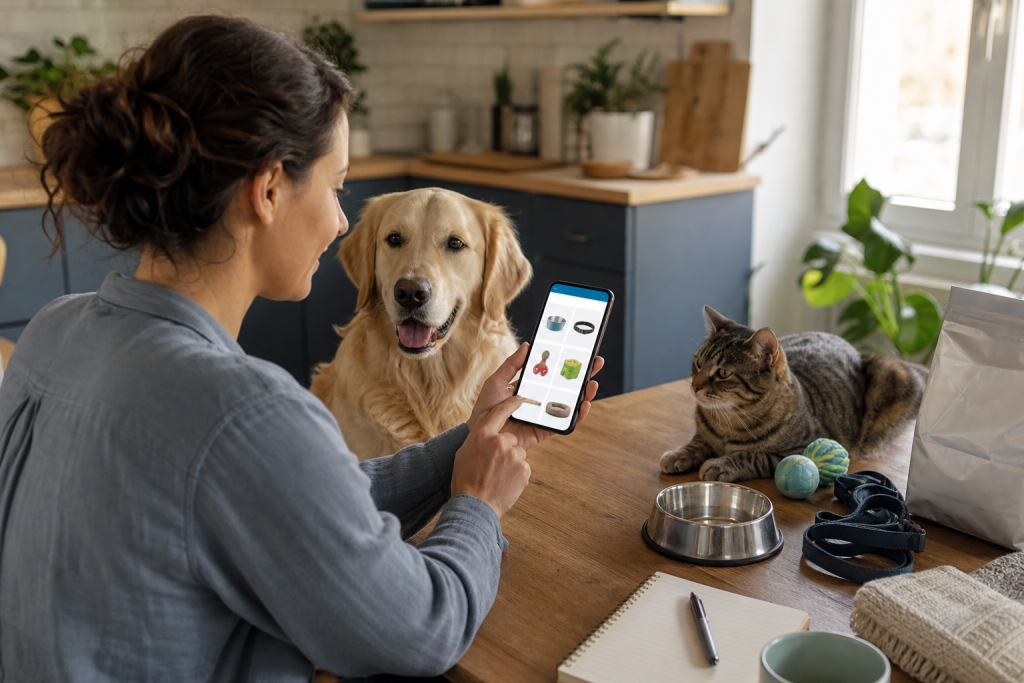
#online pet shopping
#pet deal checklist
#pet product safety
#social commerce pet supplies
#TikTok Shop pet deals
A viral pet deal can be useful, but the video is not the checkout check. Before buying a pet toy, treat, grooming tool or smart accessory through TikTok Shop, verify the seller, return terms, label details and recall risk outside the short clip. The cheapest listing can cost more if the item is final sale, hard to return, poorly labeled or sold by a seller you would not choose on a normal retailer page.
TikTok Shop has made pet products easier to discover because the pitch, demo and checkout can sit in the same feed. That convenience is exactly why owners should slow down before buying. Pet supplies are not all low-risk impulse items, especially when they involve food, supplements, electrical grooming tools, batteries, small parts or app-connected gear.
Why this matters now
Pet brands and sellers are using social commerce more aggressively, and shopper demand for dog and cat products is still concentrated around food, litter, grooming, toys, flea and tick products, and smart accessories. The result is a feed full of fast demos, creator reviews and limited-looking offers that can feel more convincing than a normal product page.
The problem is not TikTok Shop alone. The same checks matter on any marketplace. The difference is that social video can compress the decision. You see a pet enjoying a toy, a cat eating a treat or a dog looking cleaner after a grooming pass, then the buy button is already there.
The seller check comes before the price check
Start with the seller name, not the discount badge. A pet product can look familiar in a video even when the actual listing is from a seller you do not recognize. Check whether the shop is the brand itself, an authorized retailer, a marketplace reseller or a seller with little pet-category history.
For pet food, treats and supplements, look for the exact brand, product name, net weight, ingredient panel, lot or date coding, and any directions or warnings that would normally appear on the package. If the listing relies mostly on a creator demo and does not show the label clearly, treat that as missing information, not as a reason to guess.
For toys and accessories, check size, material, small detachable parts and whether batteries are included or replaceable. A toy that looks safe in a 20-second video may be too small for your dog, too flimsy for a chewer or awkward for a cat that plays with loose cords and feathers.
Return terms can change the real deal
TikTok Shop says most purchases are covered by its money-back guarantee and that most items have free returns for 30 days, but the policy pages also point to exceptions and seller-specific terms. That means you should check the return window, final-sale status, restocking or partial-refund language, who pays return shipping and whether opened pet items are treated differently.
This matters most for items you may need to test for fit, noise or pet acceptance. Examples include carriers, harnesses, beds, grooming tools, automatic toys, fountains and smart accessories. If your pet refuses it, the video does not help you. The return path does.
Use influencer content as a clue, not proof
A creator can show how a product works in one home, but that is not the same as independent testing, veterinary advice or proof that the item is right for your pet. The FTC’s endorsement guidance says paid relationships and material connections should be disclosed clearly. As a shopper, look for plain disclosures, but do not stop there.
Search the product name outside the app. Check the brand site, another major retailer page, recall pages where relevant, and reviews that mention the same exact model or flavor. If a creator says a product fixed shedding, anxiety, allergies, digestion or behavior, treat that as a claim to verify, not a promise to buy.
Pet food, treats and supplements need extra friction
Food and treat deals need more than a cute eating clip. FDA guidance notes that pet food is regulated like other animal food, and it also reviews certain claims made on pet food. That does not mean every online listing is clear, complete or current.
Before buying edible products through a social-commerce listing, check the full ingredient list, feeding directions, calorie information, life-stage language, country or manufacturer details, best-by date expectations and whether the product is a treat, supplement or complete food. If your pet has a medical condition, is on a veterinary diet or has had a previous reaction, ask your vet before switching or adding a supplement.
Powered pet products need a safety pass
Be especially cautious with rechargeable toys, electric grooming tools, heated items, fountains, feeders, cameras and anything that plugs in near a bed, crate, litter box or water bowl. Look for the model number, charger type, battery information, warranty terms and whether replacement parts are available from the brand.
Do not buy a powered item only because the video shows it working once. Check whether the listing names the manufacturer, whether the same model appears on recall or safety-warning pages, and whether the seller gives a real support path. For app-connected items, add privacy, subscription cost and software-support checks before checkout.
Deal and coupon checks before paying
Do not assume a social-commerce discount beats Chewy, Petco, PetSmart, Amazon, Walmart or the brand’s own site. Compare the final cart, not the video price. Include shipping, taxes, return costs, multipack quantity, size, subscription terms and whether the product is the same model, size or flavor.
Watch for bundles that look cheaper but include items you would not normally buy. A toy plus treat plus grooming accessory bundle can make the displayed savings look bigger while hiding the unit cost. If a coupon appears in the app, read whether it is platform-funded, seller-funded, first-order only, category-limited or tied to a minimum spend.
What to avoid
Avoid listings that show no clear label, no manufacturer identity, no model number for powered products or only lifestyle clips. Skip pet supplements with disease-treatment language, toys with loose button batteries or tiny parts, grooming tools with vague electrical details, and any food or treat listing that does not make the product identity easy to verify.
Also avoid buying under pressure from a countdown-style video. A real deal can survive a five-minute check. If it cannot, it was not a strong pet purchase.
Fast answers
Is TikTok Shop bad for pet supplies?
No. It can be a convenient place to discover products, but pet owners should verify the seller, product details, return terms and safety context before buying.
What pet products need the most caution?
Food, treats, supplements, flea and tick products, electric grooming tools, heated items, battery toys and app-connected devices need the most careful checks.
Should I trust a creator review?
Use it as one data point. Look for clear sponsorship disclosure, then confirm the product details through the seller, brand, reliable retailer pages and recall or safety sources where relevant.
Sources
Sources last checked: October 10, 2026, 10:34 CEST (Europe/Rome).