
#cat litter
#cat litter liners
#litter box
#pet deals
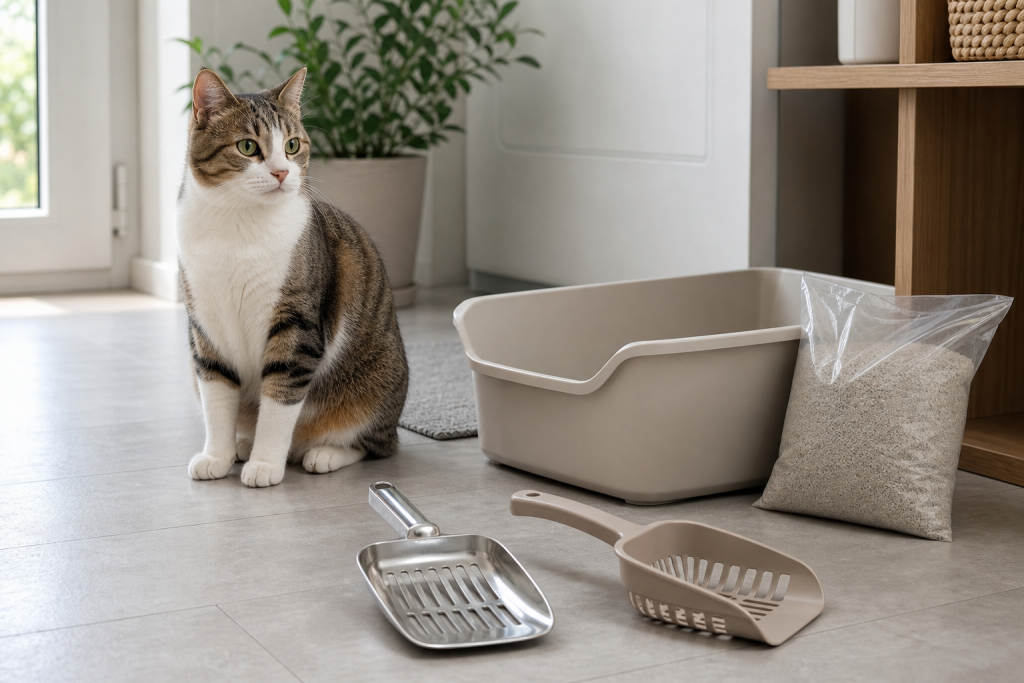
A cat litter liner only saves time if your cat ignores it, the liner fits the pan, and the plastic survives normal digging. If it tears, shifts or makes the box feel strange under your cat’s paws, the “easy cleanup” deal can turn into leaked urine, wasted litter and a cat that avoids the box. Before buying a bulk roll, check size, thickness, scent, drawstring design, return terms and whether your cat has already rejected liners.
Litter liners are tempting right now because litter costs, odor control and fast cleanup all matter in a busy home. They also look like a simple add-on at checkout: a few dollars more, less scrubbing later. The catch is that liners solve a human cleanup problem, while your cat is the one standing on the plastic every day.
Why litter liners can fail
The most common liner mistake is buying the cheapest roll without checking how the cat actually uses the box. Cats dig, turn, cover and sometimes scratch the sides before they settle. A loose or noisy liner can bunch up. A tight liner can pull against the corners. A thin liner can tear when claws rake through litter.
That does not mean every liner is a bad purchase. Some households use them successfully, especially with cats that dig lightly and boxes that match the liner size. The point is to treat liners like a trial product, not a guaranteed upgrade.
What to check before checkout
Measure the box, not the old liner. Look at the length, width and depth of the pan, including high sides and rounded corners. A liner that technically covers the top can still pull tight at the bottom, which makes claw tears more likely.
Check thickness and construction. “Heavy duty” is useful only if the product page gives enough detail to compare. If your cat scratches hard, thin plastic and weak side seams are the first deal breakers.
Skip fragrance unless you already know your cat tolerates it. Litter-box guidance from behavior groups often warns that strong smells can make some cats avoid the box. A scented liner under scented litter is not automatically better.
Decide between flat, drawstring and elastic styles. Drawstrings can make disposal easier, but they also need enough extra plastic around the rim. Elastic liners may fit some pans neatly and fail on others. Proprietary reusable liners can be convenient, but only if they fit the exact box system you own.
Buy a small pack first. A bulk box is not a bargain if your cat shreds the first liner or refuses the box. Trial size beats a warehouse roll when you are changing anything inside the litter area.
The deal section: when a liner discount is not really a deal
At checkout, compare cost per liner, not just the package price. Then ask what happens if the liner leaks. If you still need to scrub the box, throw away extra litter and replace torn plastic every few days, the real cost is higher than the roll price suggests.
For online orders, check whether opened litter accessories can be returned and whether return shipping is covered. Chewy publishes a broad 365-day return policy for many pet items, while Petco describes a 60-day return window with proof-of-purchase details. Retailer terms can change, and marketplace sellers may set different practical hoops, so read the current return page before treating a liner bundle as risk-free.
A coupon can still be useful if the liner fits your pan, your cat accepts it and you would have bought that exact size anyway. It is not useful if the discount pushes you into scented, oversized or thin liners you cannot test first.
What to avoid
Avoid using a liner to delay basic cleaning. The ASPCA recommends daily scooping and regular full-box cleaning with mild, unscented methods. A liner can make emptying the box easier, but it does not remove the need to keep the litter area clean.
Do not ignore a sudden litter-box problem after adding liners. If your cat starts avoiding the box, straining, urinating outside the box, crying, producing blood, or showing a sudden change in litter habits, pause the shopping experiment and contact your veterinarian. The liner may be part of the environment problem, but medical causes need professional attention.
Also avoid forcing liners in boxes where they cannot sit flat. If the plastic wrinkles under the litter, catches claws or leaves exposed corners, try a different size, a sturdier box, a lower-friction litter setup or no liner at all.
A smarter liner test
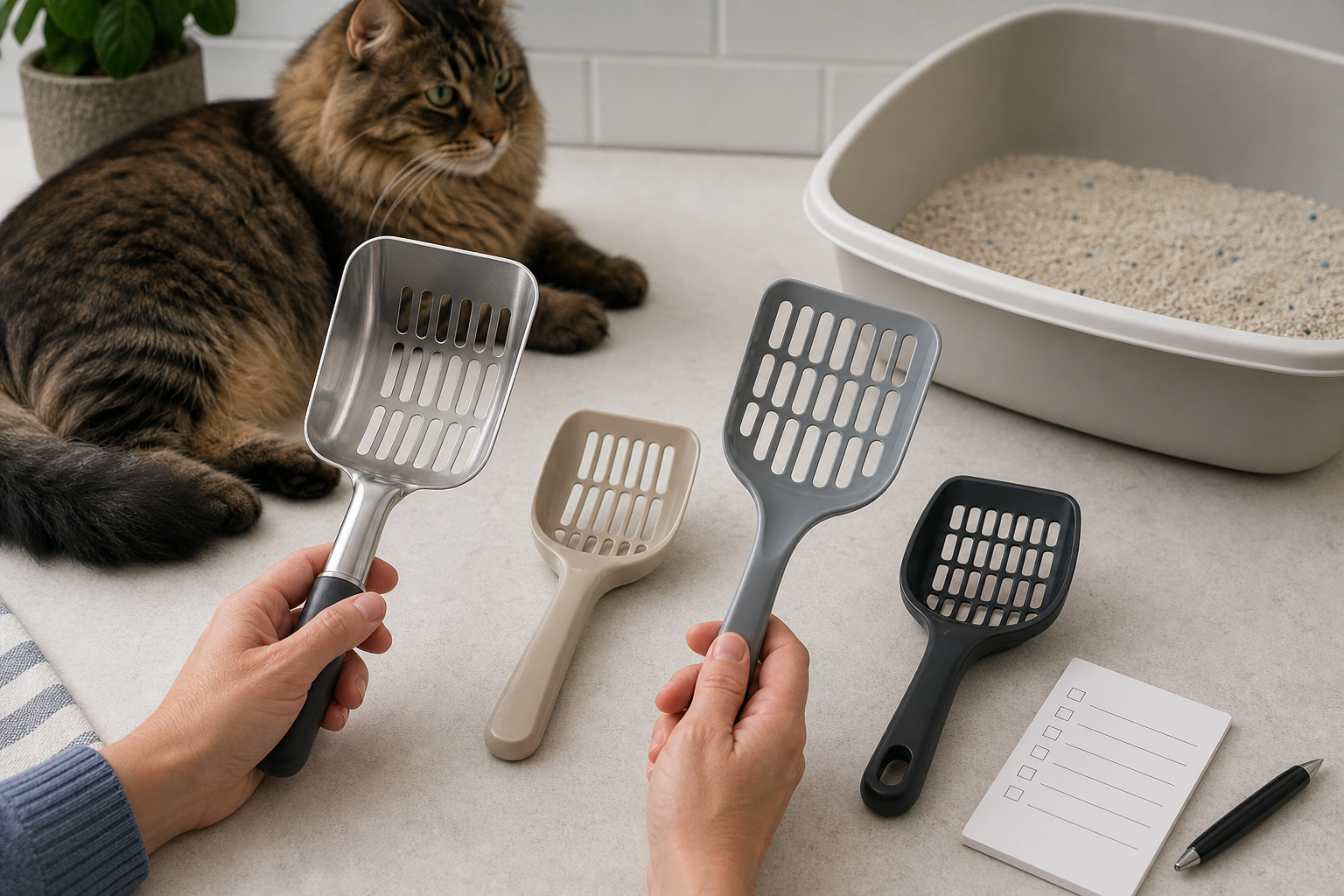
Start with one clean box and one small pack of unscented liners. Add the same litter your cat already uses, at the same depth, and keep another familiar box available if you have the space. Watch for digging, snagging, plastic chewing, refusal, urine leaks and litter trapped between the liner and pan.
If the first week goes smoothly, then compare larger packs. If it does not, the better deal may be a sturdy litter pan, a better scoop, waste bags for clumps, or a regular cleaning routine that your cat already accepts.
Quick answers
Are cat litter liners worth it?
They can be worth it for cats that do not mind the feel or sound of plastic and for owners who empty the whole box often. They are not worth it if they tear, leak, shift or make the cat avoid the box.
Should I buy scented litter liners?
Unscented is the safer first test. Cats can be sensitive to strong smells, and adding fragrance under the litter can create another reason for box avoidance.
Can I use trash bags instead?
Only if they fit safely, stay flat and do not leave loose plastic your cat can chew or snag. Most trash bags are not designed around litter-box digging, so test carefully and stop if the plastic tears or shifts.
What is the biggest checkout mistake?
Buying a large multi-pack before your cat has tried one liner. Fit and acceptance matter more than the advertised savings.
Sources
- International Cat Care, Choosing a litter tray for your cat
- ASPCA, Litter Box Problems
- San Francisco SPCA, Litter Box Problems
- BC SPCA, My cat won’t use the litter box, what should I do?
- Chewy, Returns
- Petco, Returns
Sources last checked: 2026-06-29 07:33 Europe/Rome.