
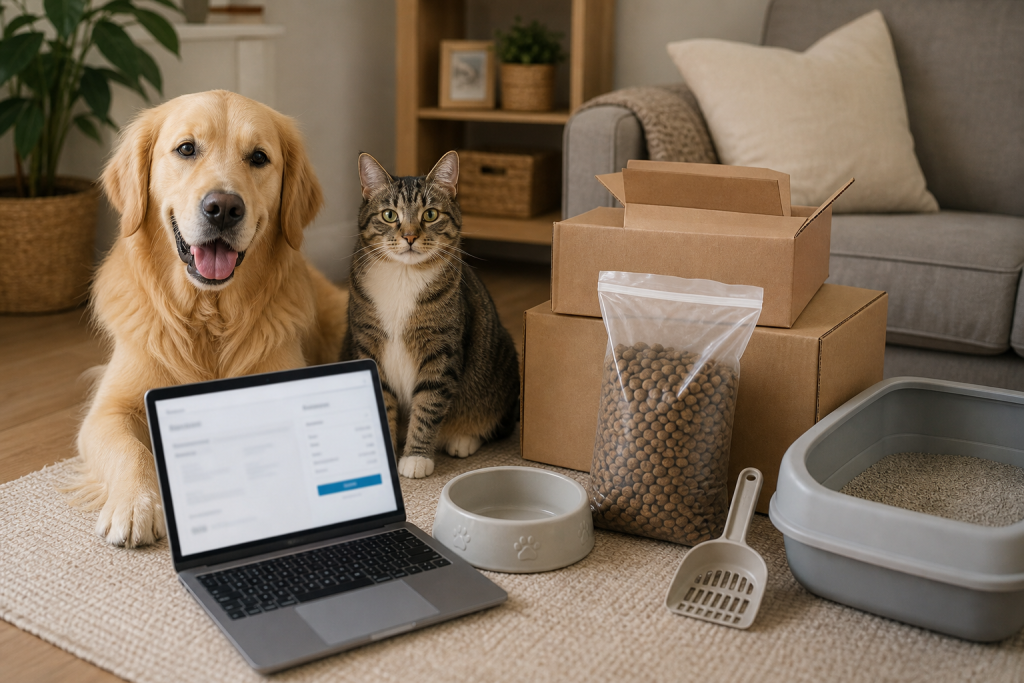
A Chewy return can look almost risk-free because the retailer gives shoppers a long return window on many items, but the important detail is whether your order is actually returnable before you open, use, donate or reorder it. The expensive mistake is assuming every pet food, pharmacy, Autoship or promo order works the same way after delivery. Before checkout, check the item type, shipping threshold, Autoship settings and whether you would need Chewy customer service to approve the next step.
That matters now because July pet-supply shopping is crowded with promo-code roundups, Autoship offers, summer restocks and fast-delivery promises. A generous return policy can still leave you with wasted time, a prescription item that needs special handling, a heavy box you did not want to ship back or a reorder that processes before you catch it.
Why the Return Window Is Not the Whole Deal
Chewy’s own return-policy page says items can be returned within 365 days of purchase with free return shipping, and that in some cases Chewy may issue a refund without asking for the item back. That is useful, but it is not a blank check to treat every order as risk-free.
The practical question is narrower: if this exact item arrives damaged, does not fit, is rejected by your pet or becomes unnecessary, what will Chewy ask you to do? A bed, toy or unopened accessory is not the same shopping risk as prescription medication, a veterinary diet, a personalized item, a heavy litter shipment or food your pet has already opened and refused.
The Checkout Check to Make Before You Pay
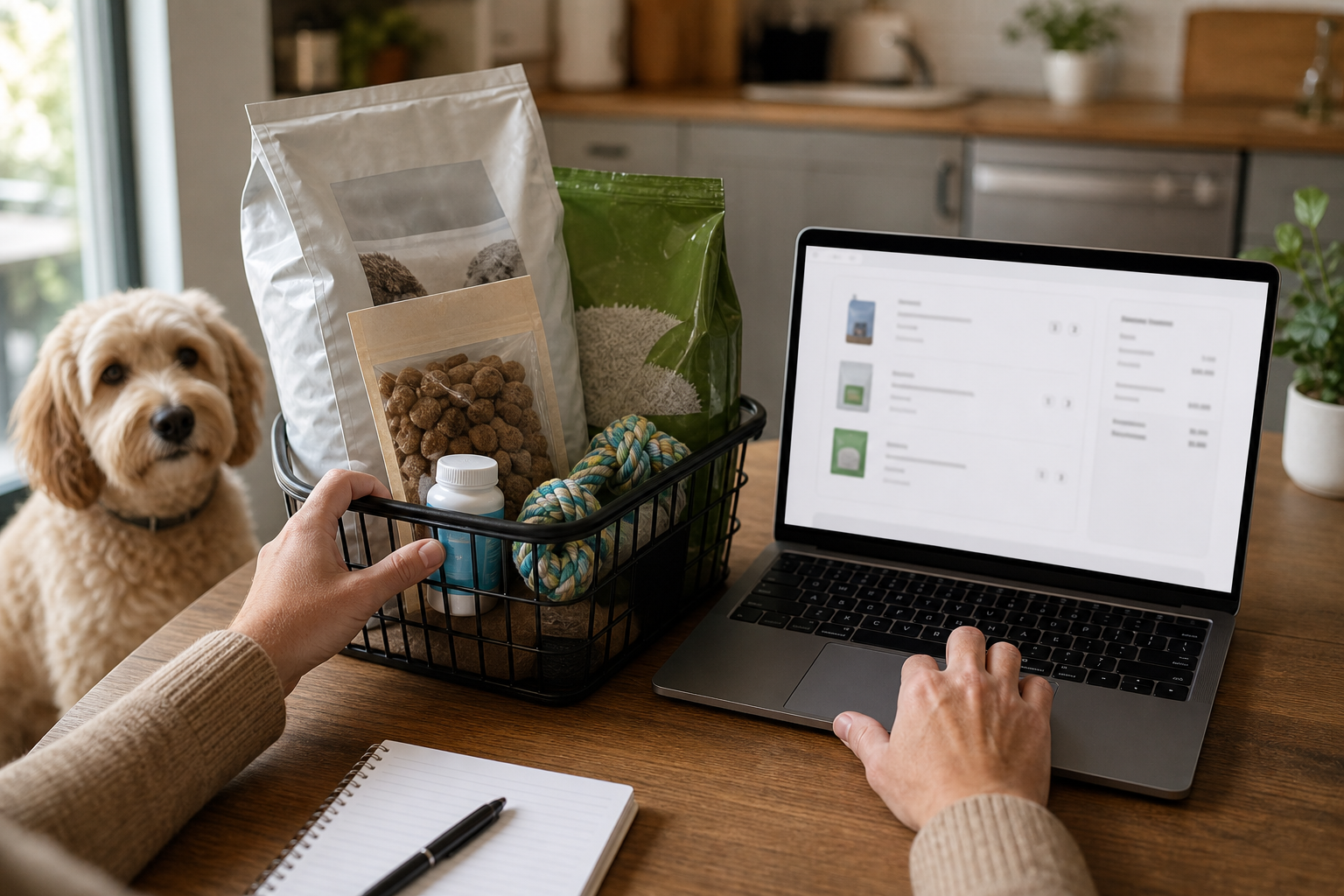
Before placing a Chewy order, sort the cart into three groups.
- Easy-return items: toys, beds, crates, bowls, collars, leashes and standard supplies where fit, size and durability are the main risks.
- Ask-first items: opened food, rejected treats, damaged goods, heavy litter, leaking packages and anything where Chewy may tell you to return, donate or dispose of the item.
- Special-rule items: pharmacy orders, prescription products, veterinary diets, custom items and products that require authorization or safety controls.
If the cart includes a special-rule item, read the product page and help page before using a coupon. A discount is less useful if you later learn that the item cannot be handled like an ordinary toy or bag of treats.
Where Autoship Can Change the Math
Autoship can be useful for food, litter and medication refills, but the first-order savings should not be the only number you check. Chewy’s Autoship help says shoppers can update items, change the delivery date or cancel Autoship through their account. The risk is forgetting that a future shipment is scheduled after the first discounted box arrives.
Before accepting an Autoship offer, check the regular reorder price, the delivery frequency, the free-shipping threshold and the date the next order will process. If you are testing a new food, litter, supplement or grooming product, consider whether your pet will finish enough of it before the second shipment is created.
The Shipping Threshold Can Distort a Return Decision
Chewy’s shipping help page says orders with a subtotal of $49 or more before tax and discounts ship free, while smaller orders have a flat-rate shipping charge. That threshold can push shoppers to add filler items, but filler only saves money if you would have bought it anyway.
Do the checkout math both ways. If you are $6 short of free shipping, adding a $14 toy your pet does not need is not really a shipping win. If the item later has to be returned, donated or replaced, the “free shipping” threshold may have encouraged a larger order than you actually wanted.
Deal and Coupon Checks That Matter
Current coupon roundups often highlight Chewy promo codes, first-order offers, Autoship discounts and shipping perks. Treat those as leads to verify, not as guaranteed savings. Codes can have exclusions, caps, account restrictions, pharmacy limits, brand limits or minimum spends that only appear clearly in the cart.
Before paying, check these four things:
- Whether the discount applies before or after the free-shipping threshold.
- Whether Autoship savings are only for the first order or also for future deliveries.
- Whether the item is returnable under the ordinary policy or needs customer-service approval.
- Whether a pharmacy, vet diet or custom product has extra rules that matter more than the coupon.
What to Avoid
Do not buy a new prescription, diet food, supplement or bulk litter order just because the return policy sounds generous. Ask your vet before changing medical, prescription or therapeutic diet decisions, and use Chewy’s pharmacy support when a prescription order is unclear.
Also avoid throwing away packaging, labels, lot codes or order emails until you know the product works for your pet. Those details can matter if you need help with a damaged item, wrong shipment, recall question or refund request.
A Smarter Way to Use Chewy’s Return Policy
For a new product, start with the smallest practical size unless the unit price difference is large and the item is already familiar. For bulky products, measure first. For food and treats, avoid buying a huge bag before your pet has tolerated the formula. For Autoship, set a reminder a few days before the next order date.
The best use of a generous return policy is not to buy carelessly. It is to reduce risk after you have already checked fit, ingredients, authorization, shipping math and future reorder settings.
FAQ
Does Chewy really have a 365-day return policy?
Chewy’s return-policy page says many items can be returned within 365 days of purchase with free return shipping. Shoppers should still check item-specific rules and contact Chewy for anything involving pharmacy, damaged goods or unusual return instructions.
Can prescription pet items be returned like ordinary supplies?
Do not assume that. Chewy’s help pages route prescription-item questions through its return and pharmacy support, and pharmacy products can have stricter handling rules than toys, beds or accessories.
Is Autoship always the cheapest option?
Not always. Autoship can save money on eligible products, but you still need to check the future price, order frequency, shipping threshold and whether your pet will actually use the item before the next shipment.
Should I add extra products just to reach free shipping?
Only if those products are things you would buy soon anyway. Adding unnecessary items to avoid a smaller shipping fee can turn a simple order into a more expensive one.
Sources
Last checked: 2026-07-09 10:36 Europe/Rome.