

#flea fogger
#flea treatment
#pet safety
#pet supplies
A flea fogger can look like the fast, cheap answer to a summer infestation, but it is not a casual add-on to a pet cart. The label matters because foggers require people and animals to leave the treated space, and they can create risks if shoppers buy the wrong size, use too many cans or forget fish tanks, pet beds and re-entry timing. If you cannot follow the label exactly, a fogger deal is not really a deal.
That is why this purchase deserves a pause before checkout. Flea pressure tends to rise in warm weather, and shoppers often search for sprays, foggers and home treatments after seeing fleas on a dog or cat. The useful question is not only, “Will this kill fleas?” It is, “Can I use this product safely in my actual home with my pets, my room layout and my schedule?”
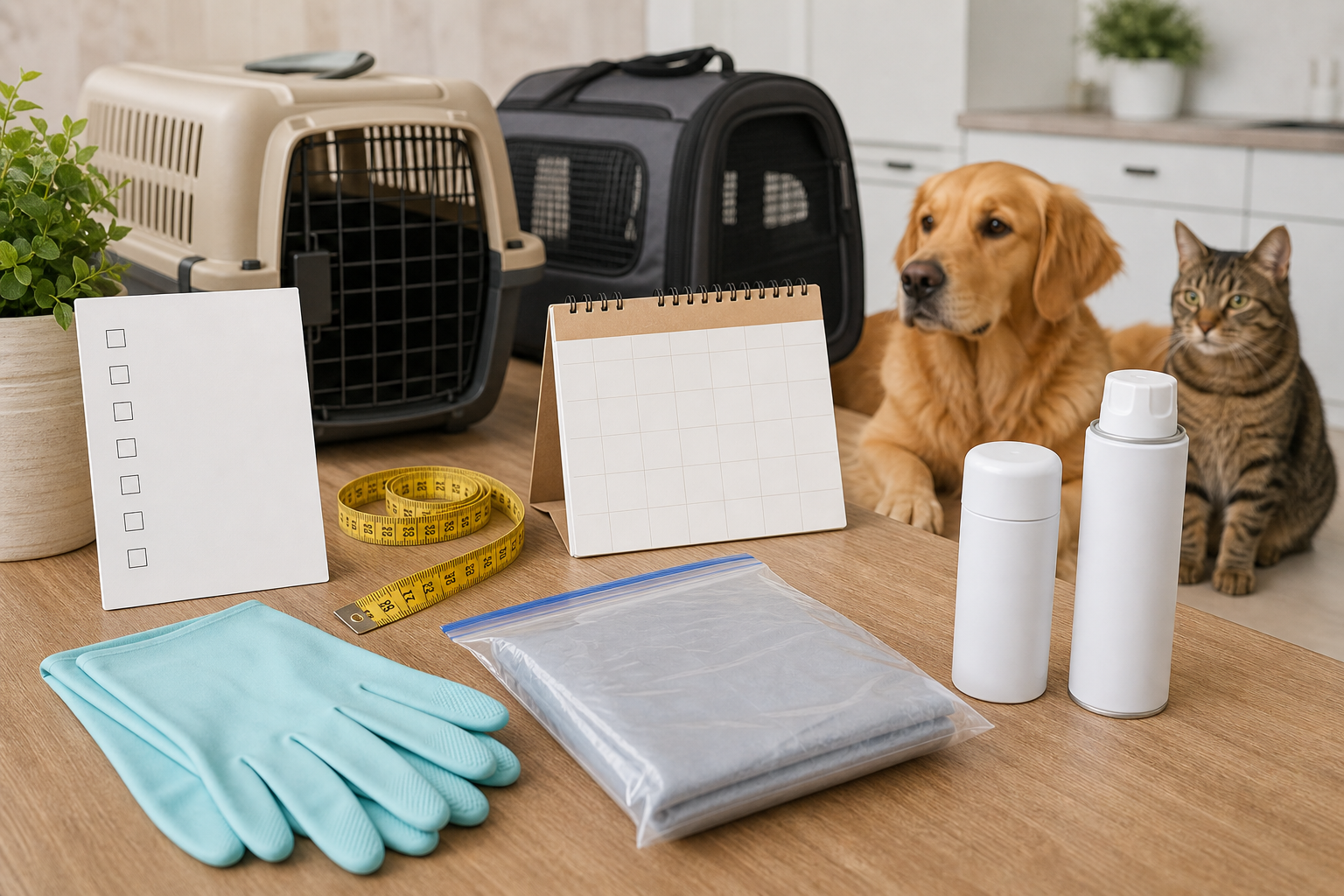
Why flea foggers feel tempting right now
Summer creates a familiar shopping pattern: a pet starts scratching, a flea is spotted on bedding or carpet, and a low-priced fogger multipack promises room-wide coverage. Official and veterinary-facing sources agree on one thing that matters for shoppers: flea control is not just a single can, collar or shampoo. The ASPCA notes that severe cases may require home cleaning and, in some cases, a spray or fogger that requires temporary evacuation of the home.
That does not make every fogger a smart first purchase. The EPA warns that total release foggers can pose real risks when used improperly, including using too many for the space. The National Pesticide Information Center also says animals should be removed from the house when foggers are used, and fish tanks need protection because fine aerosol can move through air and pumps.
The checkout mistake: buying coverage before planning evacuation
The big mistake is treating a fogger like a normal spray bottle. Before you pay, you need to know where every pet will go, how long the label says the home must stay empty, how you will ventilate afterward, and whether the product is appropriate for the rooms you plan to treat.
Check these details before a sale badge wins:
- Room size and number of cans: match the label coverage to the actual room volume. More product is not better.
- Pet removal: plan where dogs, cats, birds, reptiles and small mammals will stay during treatment and re-entry.
- Aquariums: check whether tanks must be covered, pumps switched off or the tank moved. Do not guess.
- Food and pet items: look for label instructions on covering food-contact surfaces and removing bowls, toys, bedding, crates and carriers.
- Re-entry and ventilation: make sure the timing works with your household before you start.
- Species and life-stage warnings: do not assume a household flea product is harmless around kittens, puppies, senior pets or cats.
What a good fogger listing should tell you
A useful listing should make it easy to find the active ingredients, EPA registration information when applicable, room coverage, use restrictions and complete label directions. The FDA explains that some flea and tick products are EPA-registered pesticides, and an EPA-registered product should have an EPA Registration Number on the label. If a marketplace listing gives you only a glamour photo, vague “pet safe” language and no label access, keep looking.
Also check whether the product is actually meant for fleas in the places you need to treat. A fogger may not reach deep under furniture, inside clutter, under baseboards or every pet resting area. UC IPM notes that flea management often requires vacuuming, cleaning pet resting areas and addressing pets themselves with appropriate products. A fogger should not become a substitute for a vet-approved flea plan.
Deal and coupon checks before paying
Fogger multipacks can make the per-can price look attractive, but the cheapest box can still cost more if you cannot use it safely. Before using a coupon or adding a filler item for free shipping, check the label and your cart for these costs:
- Enough time away from home for all pets and people.
- Temporary pet boarding, day care or a safe visit with family if needed.
- Cleaning supplies for bedding, rugs and pet areas.
- Correct flea products for each pet, selected with your veterinarian when needed.
- Return restrictions, especially for pesticides, opened boxes and marketplace sellers.
Do not rely on a coupon page to confirm that a product is safe for your household. Coupon pages change quickly, and they rarely explain label restrictions. The only discount worth counting is one that still makes sense after you have checked the actual product label, seller, shipping timing and return terms.
What to avoid
Avoid any fogger listing that hides the label, makes broad “safe for all pets” claims without context or encourages using extra cans for stronger results. The EPA specifically cautions against using more foggers than needed, and pesticide labels are written to be followed, not adjusted by guesswork.
Do not use dog flea products on cats, and do not mix multiple flea products because a home treatment did not work as fast as expected. The FDA and ASPCA both stress matching flea products to species, age and weight, and the ASPCA says dog flea medications can cause potentially fatal reactions in cats. If your pet is young, elderly, pregnant, sick or already on flea medication, ask your veterinarian what home-treatment approach fits your situation.
A safer buying framework
Start with the pet, then the home. Confirm each dog or cat has an appropriate flea-control plan, then clean bedding, rugs and resting areas. If you still need a home pesticide product, compare labels instead of front-of-box claims. A lower-priced fogger is not a win if it treats the wrong room size, cannot be used around your aquarium setup, or requires a re-entry window you cannot meet.
For many homes, a targeted spray, intensive vacuuming, laundry and vet-recommended pet treatment may be easier to manage than a total release fogger. For severe infestations, professional pest control may be more practical than stacking DIY products. The point is not that foggers are never useful. It is that they should be bought only when the label, evacuation plan and pet-care plan all line up.
Quick answers
Are flea foggers safe for pets?
They are not something pets should stay around during use. Follow the product label exactly, remove animals from the treated space and pay special attention to aquariums, birds and small pets.
Is a flea fogger better than flea medicine?
No. They solve different parts of the problem. Ask your veterinarian about the right flea product for each pet, then use home cleaning or home treatments only as the label and situation require.
Can I use two foggers in one room for a stronger result?
Do not exceed the label directions. The EPA warns that using too many foggers can create risks.
What should I check before buying a fogger online?
Find the full label, active ingredients, EPA registration details when applicable, room coverage, re-entry instructions, pet and aquarium precautions, seller return policy and shipping timing.
Sources
Sources last checked: July 12, 2026, 13:35 Europe/Rome.
- U.S. EPA, Safety Precautions for Total Release Foggers
- U.S. EPA, EPA’s Regulation of Flea and Tick Products
- FDA, How can I tell if a flea and tick product is approved by FDA or registered by EPA?
- ASPCA, Fleas and Ticks
- ASPCA, Using Flea Medications Safely
- National Pesticide Information Center, Pets and Pesticide Use Fact Sheet
- UC IPM, Fleas