
#pet health gadgets
#pet thermometer
#summer pet safety
A pet thermometer deal is only useful if it gives the kind of reading your veterinarian can trust. Many cheap infrared, forehead-style or poorly described ear thermometers can make owners feel prepared while still giving readings that are hard to interpret for dogs and cats. Before buying one, check the measurement method, species guidance, cleaning supplies, batteries, return terms and whether you are comfortable using it correctly.
This matters now because summer heat, travel and delivery delays push more owners to buy small “””just in case””” pet health gadgets. A thermometer can belong in a pet kit, but it should not be treated as a diagnosis tool or a way to rule out heat stress from the couch. If your dog or cat seems unwell, overheated, unusually weak or otherwise abnormal, contact your veterinarian instead of relying on a gadget reading alone.
Why the cheap thermometer aisle is confusing
Pet thermometer listings often mix together several very different products: digital rectal thermometers, ear thermometers, non-contact infrared thermometers, “””3-in-1″”” animal thermometers and ordinary human thermometers with pet keywords added. They can all look simple in a sale grid, but they do not answer the same question.
The Animal Medical Center describes rectal temperature as the gold standard for pets because it correlates well with core body temperature. It also notes that ear thermometers must be positioned carefully and may not match rectal readings, while armpit readings are not dependable for care decisions. The American Kennel Club gives similar shopping context for dogs: a thermometer can be useful, but the owner has to know the method, keep it clean and avoid unsafe oral use.
That is the hidden cost. A $12 thermometer that you cannot use confidently, cannot clean properly or cannot return after inconsistent readings is not a bargain.
The checkout checks that matter
Start with the method. If the listing says “””infrared””” or “””non-contact,””” check whether it has been validated for dogs or cats, not just people. A forehead-style human thermometer may be convenient, but fur, distance, angle and surface temperature can make the result less useful for pet decisions.
Check species and placement instructions. A dog ear thermometer is not automatically a cat thermometer. A product should explain where it is used, how deep or close it must be placed, what covers or sleeves it needs and whether ear wax, ear infection, fur or movement can affect the reading.
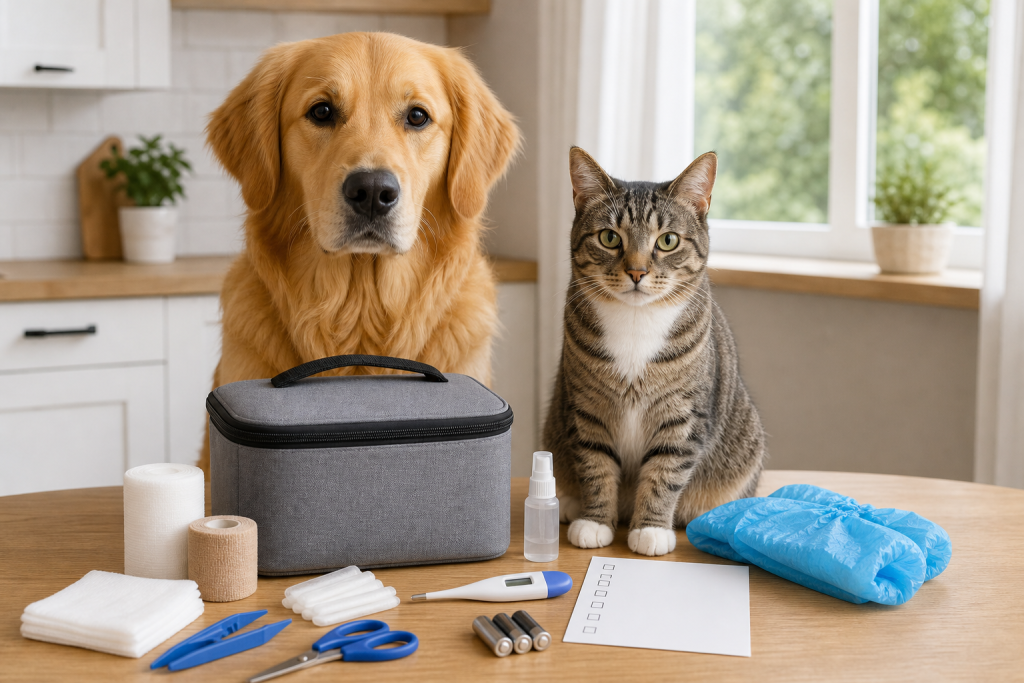
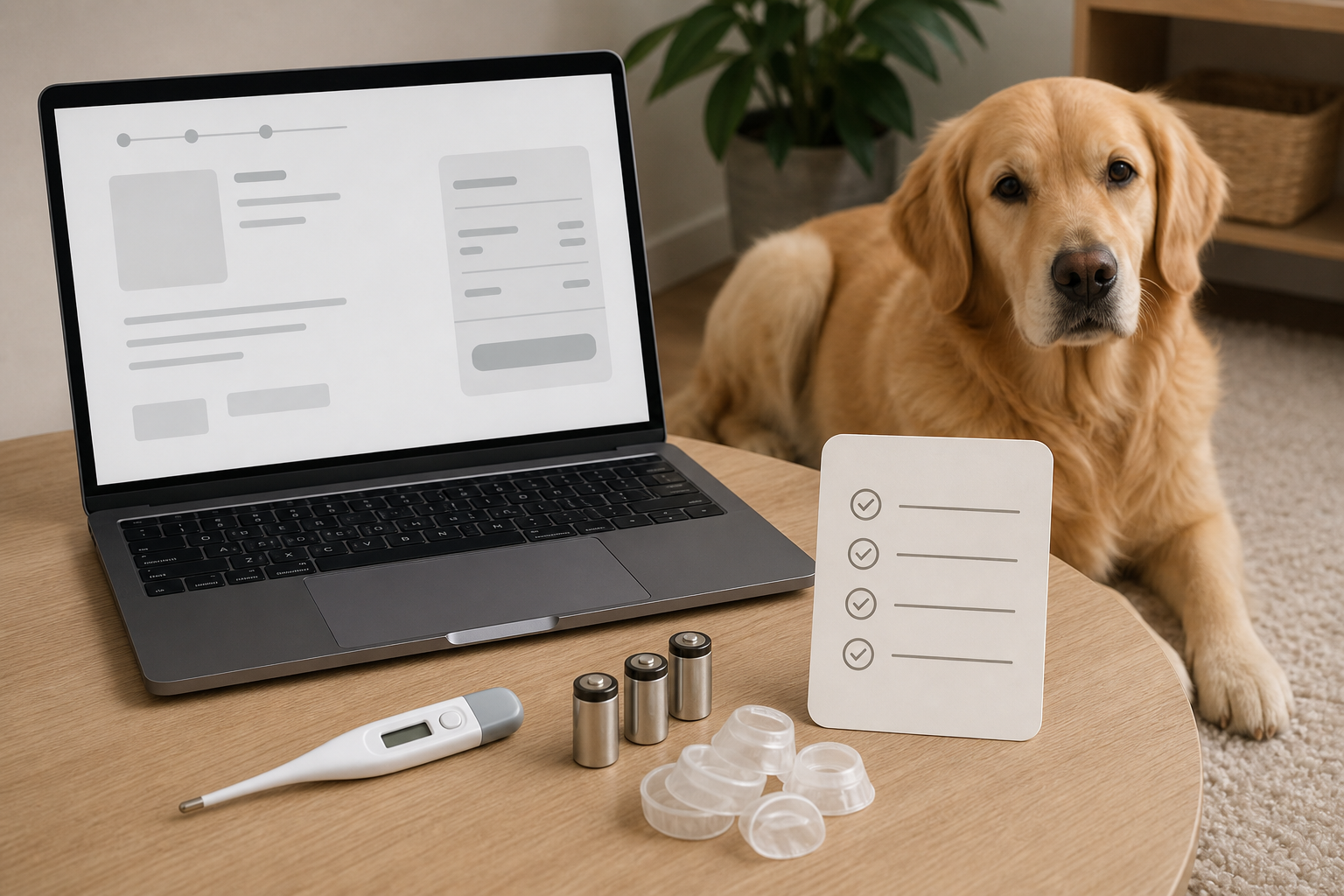
Buy the boring accessories. For a contact thermometer, budget for disposable covers if the model uses them, water-based lubricant if appropriate, cleaning supplies, spare batteries and a labeled storage bag. Do not share an unlabeled thermometer between pets and people.
Check speed, not just accuracy claims. A reading that takes too long can be hard to get from a wiggly cat or nervous dog. Fast-read digital models are usually easier for home owners than slow glass thermometers. Avoid mercury thermometers for pets.
Read the return rules. Some low-cost pet gadgets look fine until you compare repeated readings or realize your pet will not tolerate the method. Check whether opened health devices can be returned and whether a marketplace seller or the brand handles support.
Deal and coupon section: what to verify before paying
Do not sort only by the biggest discount badge. Add the thermometer, batteries, covers, shipping, return fees and any required replacement probe covers. If a listing bundles a “””pet thermometer””” with grooming or first-aid supplies, confirm the thermometer is the right part of the bundle, not a low-quality add-on.
Be cautious with marketplace listings that promise “””high accuracy””” but do not show the measurement site, species guidance, instructions or warranty. If the product page uses the same image for dogs, cats, cattle and people without explaining how readings differ, that is a reason to slow down. A useful coupon should make a suitable thermometer cheaper, not make a vague thermometer look suitable.
If you already own a human digital thermometer, ask your veterinarian whether it is acceptable for your pet kit and how to label, clean and store it. The cheapest purchase may be a dedicated spare thermometer plus the right covers, not a flashy infrared model.
What to avoid
- Any listing that implies a touchless scan can definitively rule out fever or heat illness in a dog or cat.
- Human oral thermometers used in a pet’s mouth. Dogs and cats can bite, break or swallow parts.
- Mercury glass thermometers, especially around moving pets.
- Ear thermometers with no pet-specific placement instructions.
- Thermometers sold without clear battery type, cleaning guidance or customer support.
- Using a number from a new device as a reason to delay veterinary care when your pet looks sick.
When a pet thermometer is worth buying
It makes sense if you want a labeled home tool, can follow the instructions, have a calm helper when needed and understand that the reading is only one piece of information. It is especially useful when your veterinarian has told you to monitor a pet in a specific situation and has explained what method they want you to use.
It is a weaker buy if you are hoping the gadget will replace a vet visit, make summer heat risks safe or give a perfect answer with one quick scan. For many owners, the best first purchase is a simple fast digital thermometer, covers, lubricant where appropriate and a note from the vet about how to use it for that specific pet.
Quick answers
Is a non-contact infrared thermometer good for pets?
It may be useful as a rough screening tool only if the product is designed and validated for pets, but it should not be treated as a definitive body-temperature reading. Fur, motion and surface temperature can all create confusion.
Can I use a human thermometer for my dog or cat?
Some digital thermometers can be used for pets if your veterinarian approves the method and you dedicate, label and clean the thermometer properly. Do not use it orally with a pet.
Should I buy an ear thermometer?
Only if you are comfortable with the placement and the product gives clear pet instructions. Ear problems, wax, angle and shallow placement can affect readings.
What is the biggest shopping mistake?
Buying the easiest-looking thermometer without checking whether the reading method is useful for dogs or cats. The best deal is the one you can use correctly and discuss with your vet.
Sources
- American Kennel Club, How to Take Your Dog’s Temperature.
- The Animal Medical Center, Taking Your Pet’s Temperature.
- Journal of the American Veterinary Medical Association, A noninvasive method of temperature measurement using a noncontact handheld infrared thermometer fails to correlate with rectal temperature in dogs and cats.
- Amazon Best Sellers / Most Gifted pet thermometer pages and Walmart dog thermometer listings were checked as current demand and marketplace-supply signals, not as endorsements.
Sources last checked 2026-07-14 13:37 CEST, Europe/Rome.