
#indoor dog potty
#pet tech
#puppy pads
#smart dog potty
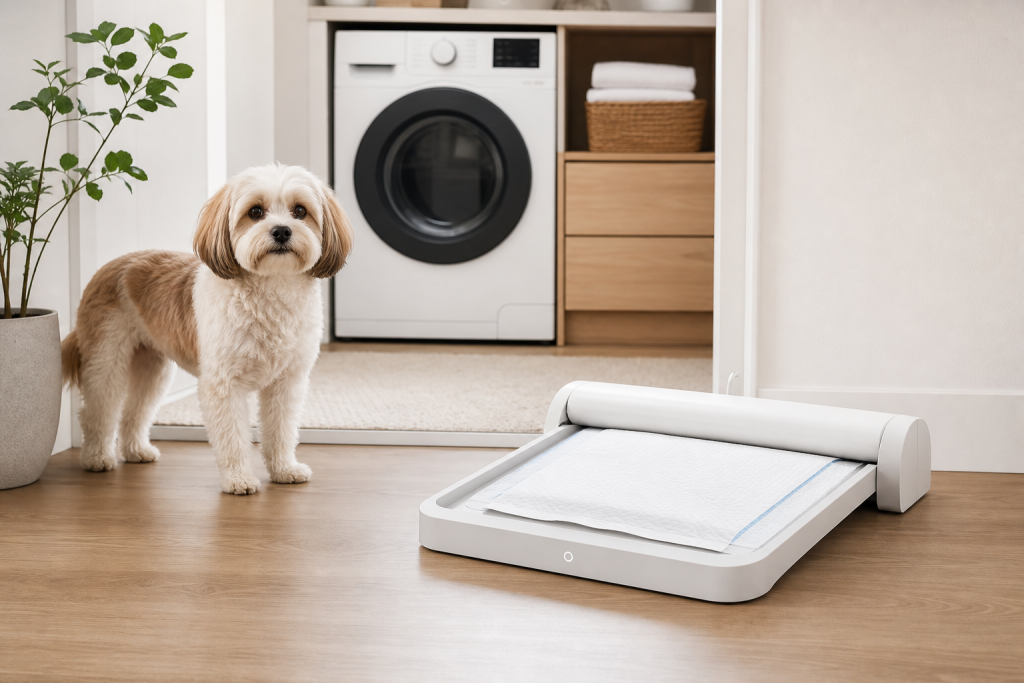
A smart indoor dog potty is only a deal if your dog is small enough to use it, will accept the pad surface and you can afford the refill rolls after the first box is gone. The device may reduce daily cleanup, but it does not replace house-training, outdoor breaks or a realistic plan for odor and app support. Before buying one, check the dog weight limit, pad-roll cost, Wi-Fi and camera settings, return window and whether a cheaper pad holder would solve the same problem.
Why this pet-tech purchase is getting attention now
Indoor dog potty products are moving from simple disposable pads to automatic, app-connected systems. BrilliantPad’s current smart model, for example, is marketed for small breeds under 25 pounds and includes Wi-Fi app control, automatic pad advancement and camera-based monitoring claims. Marketplace listings also show shoppers comparing self-cleaning indoor potty machines, replacement rolls and regular puppy pads in the same buying decision.
That makes the checkout question bigger than “Does this clean itself?” A smart potty is a device, a refill system and a training project. If any one of those pieces fails, the deal can turn into an expensive plastic tray.
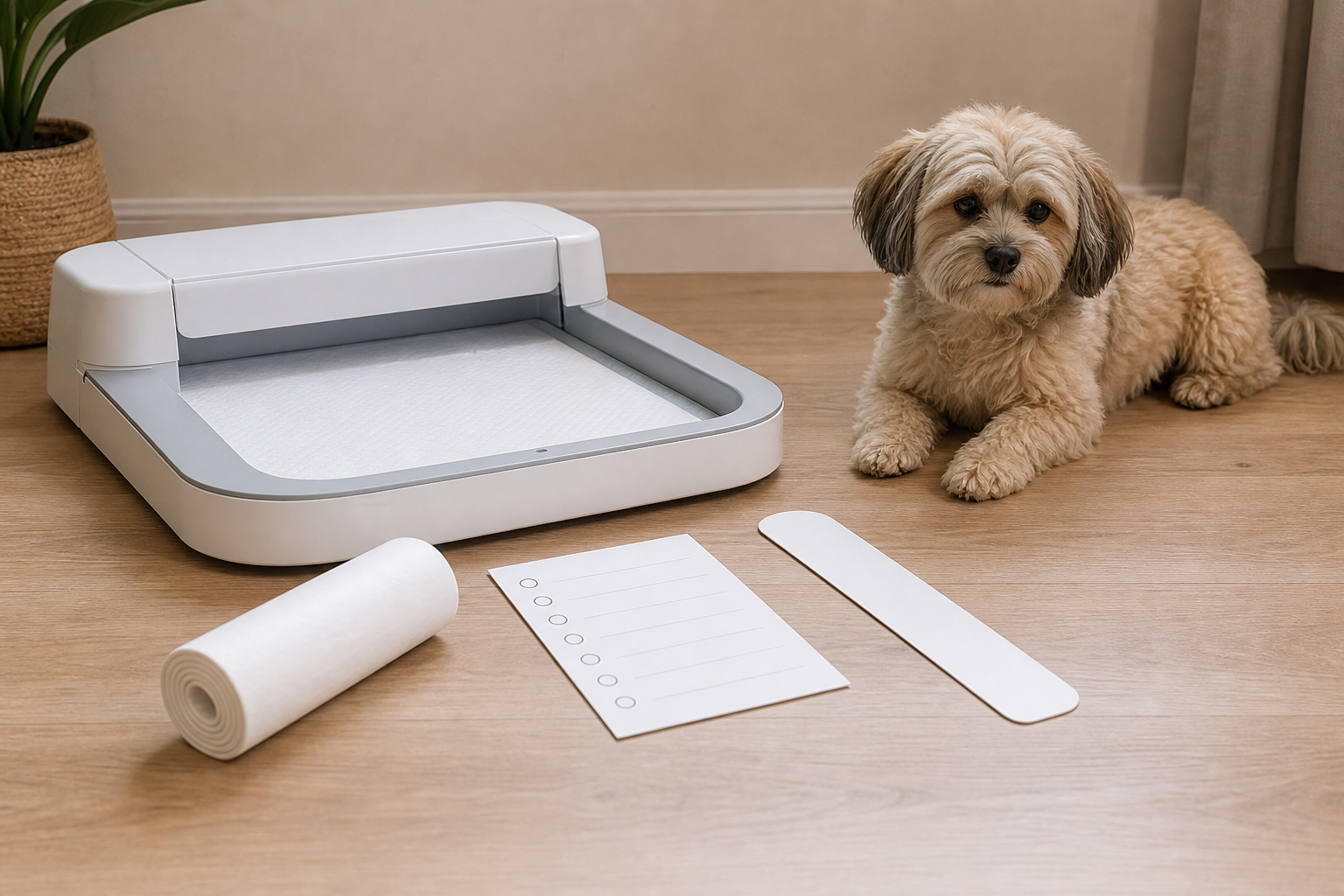
The five checks to make before you pay
Start with dog fit. Do not assume “small dog” means every puppy, senior dog or apartment dog. Check the listed weight limit, usable pad area, step-in height and whether your dog can comfortably turn around without stepping off the target surface.
Count refills as part of the price. Automatic systems often depend on proprietary rolls or pads. If a replacement roll is made only for that machine, compare the ongoing cost against the number of clean advances you expect to use each week.
Check whether the app is essential. Some smart potty features are convenience extras, while others may control cleaning schedules, alerts or camera access. Confirm whether the device still advances pads manually if Wi-Fi drops, the app changes or another family member needs to use it.
Read the camera and data settings. A camera near a dog potty may be useful for checking whether a small dog used the pad, but it is still an internet-connected camera inside your home. Use a strong account password, enable available security settings, keep the app updated and avoid placing the device where it records more of the room than needed.
Measure the real footprint. Automatic potty machines can be wider and less flexible than a flat pee pad. Check clearance on all sides, especially if the instructions recommend open access rather than pushing the unit tightly into a corner.
The training mistake that makes the gadget look broken
An automatic potty does not teach a dog by itself. Animal Humane Society describes potty-pad training as teaching the dog to use a designated indoor area, which still depends on consistency, rewards and careful setup. Humane Society guidance also notes that indoor potty options can help in some situations, but they can make outdoor housebreaking take longer for some puppies.
That matters if you are buying for convenience during workdays, storms, apartment life or a senior dog’s schedule. Place the device where your dog already succeeds with pads or where access is easy. Give the dog time to investigate it while it is off, then treat the first few successful visits like training wins rather than expecting the machine to do the whole job.
Deal and coupon checks
Do not judge the discount from the machine price alone. Before using a promo code or marketplace coupon, check these details:
- whether the offer applies to the machine, replacement rolls or both;
- whether a bundle includes enough refill rolls to test the product for more than a few days;
- whether subscription pricing is optional, cancellable and cheaper after shipping;
- whether opened machines, used rolls or hygiene products are returnable;
- whether third-party sellers are offering the current model or older stock.
A low device price can still be a poor deal if refills are hard to find, if the return policy excludes used potty products, or if the app-controlled features are the reason you wanted the machine in the first place.
What to avoid
Avoid any listing that promises to solve accidents without training. Also avoid buying for a dog over the stated size limit, a dog that shreds pads, a household with unreliable Wi-Fi if the app is central to the product, or a room where the camera would capture private areas unnecessarily.
Be cautious with health-monitoring language. Bathroom-pattern alerts may help you notice changes, but a smart potty cannot diagnose dehydration, digestive trouble or urinary problems. If your dog has new accidents, diarrhea, straining, blood, repeated vomiting, major appetite changes or any worrying behavior, contact your veterinarian.
Quick answers
Is a smart indoor dog potty better than regular pee pads?
Only for some homes. It may help if your small dog already uses pads and you want cleaner automatic roll-up. Regular pads may be cheaper and simpler if you only need occasional indoor backup.
Can a puppy use one?
Possibly, but the owner still needs a house-training plan. Indoor pads can be useful in apartments or long workdays, but they may slow the move to outdoor-only bathroom habits for some puppies.
Should I buy one for a large dog?
Not unless the manufacturer clearly lists your dog’s size and weight as supported. Many smart pad systems are built around small dogs and puppies.
What is the hidden cost?
Refill rolls or pads are the main one. Also check batteries or power adapters, shipping, subscriptions, replacement parts and whether the device can be returned after setup.
Sources
Sources last checked: 2026-07-17 01:34 Europe/Rome.
- BrilliantPad, Smart Dog Potty product page.
- BrilliantPad, Instruction Manual.
- BrilliantPad, FAQ.
- Amazon, BrilliantPad replacement rolls listing context.
- Animal Humane Society, Potty-Pad Training Your Dog.
- Humane World for Animals, How to Potty Train Your Dog or Puppy.
- FTC Consumer Advice, Securing Your Internet-Connected Devices at Home.