
#dog shampoo
#pet odor
#skunk odor remover
#summer pet supplies
The skunk odor remover deal is only useful if it is already in the house before your dog gets sprayed. A cheap bottle can still be the wrong buy if it is just a perfume, cannot be used near the face, lacks clear pet-use directions or is too small for your dog’s coat. The smarter move is to buy a simple cleanup kit ahead of time, then check the label, return terms and safety warnings before the smell turns checkout into a panic purchase.
Skunk encounters are most likely to become a shopping problem after dark, on weekends or during warm-weather yard time, when many owners are stuck with whatever cleaner is still in stock. That is why skunk odor products belong in the same practical category as flea combs, tick removers and travel bowls: not glamorous, but very useful when timing is bad.
Why this matters now
Summer walks, open doors, camping trips and evening potty breaks all increase the odds that a curious dog meets wildlife before an owner can react. Skunks are common across much of North America, and the Smithsonian notes that striped skunks are native to the United States and Canada. The spray is not just a bad smell. ASPCA and Cornell guidance both treat face, eye or mouth exposure as a reason to be cautious rather than just reach for shampoo.
That does not mean every owner needs an expensive specialty kit. It does mean the cheapest “odor eliminator” on the shelf should not win automatically. Skunk spray is oily and stubborn, so the useful product is the one that tells you clearly where it can be used, how long it should stay on the coat, whether it is safe for pets, and what surfaces it can touch.
The checkout mistake: buying fragrance instead of a remover
Many deodorizing sprays are made to freshen a room, a bed or a coat between baths. That is not the same as a skunk odor remover. Before you buy, look for wording that specifically mentions skunk odor or sulfur-based odor, plus instructions for use on dogs or on pet-safe washable surfaces.
Check the ingredient and warning panels, not just the front label. Avoid products that rely mainly on strong fragrance if your goal is removing skunk oil from a coat. Also be careful with household cleaners, carpet powders and room sprays. ASPCA guidance on household products says many cleaners can be used safely around pets only when used according to the label, rinsed when required and allowed to dry before pets return.
What to put in a practical skunk kit
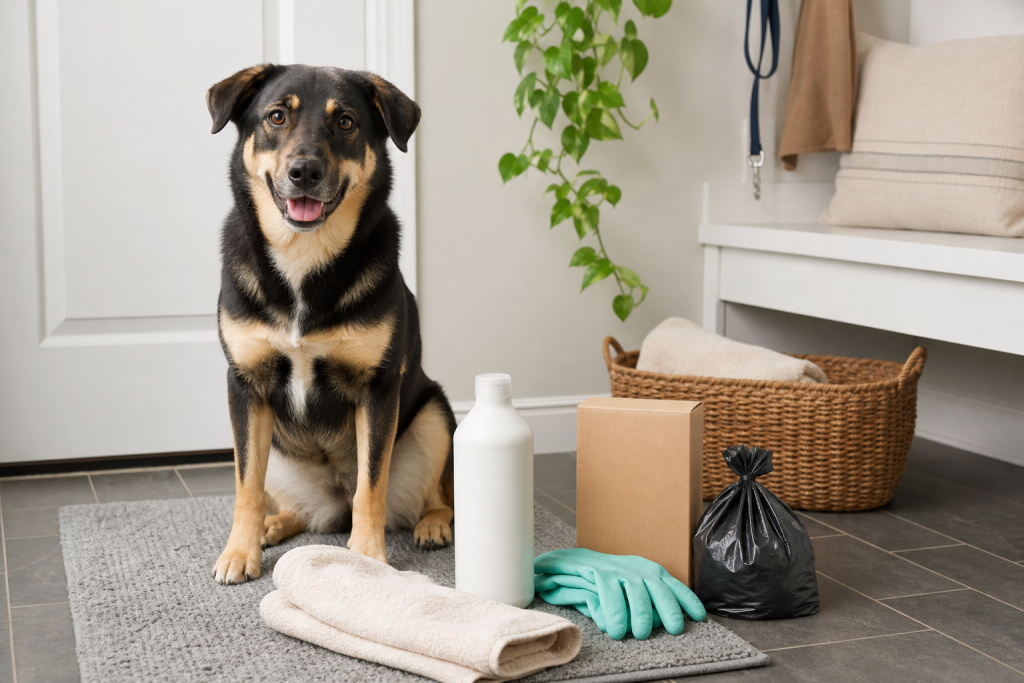
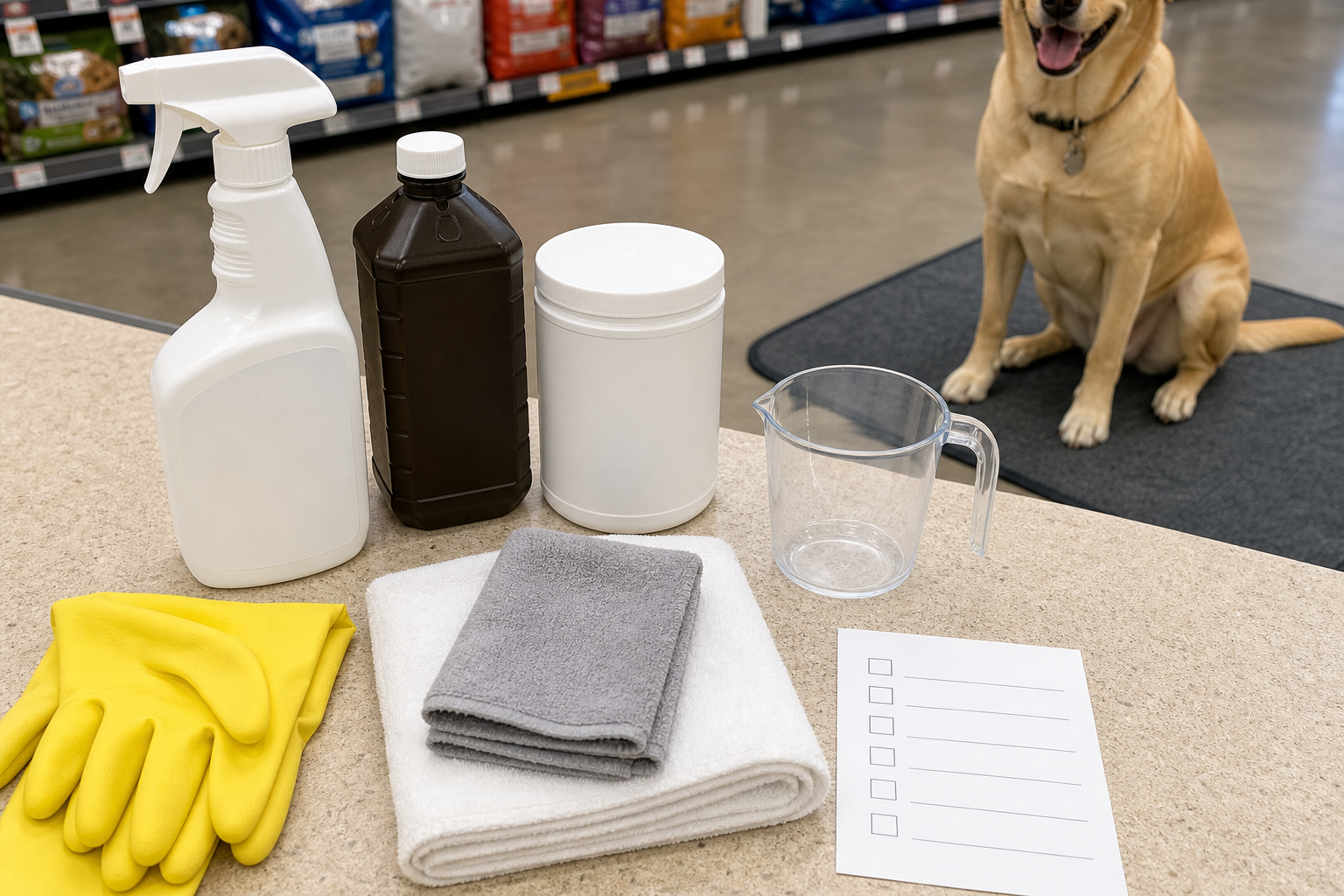
A sensible kit is small and boring: a pet-labeled skunk odor shampoo or remover, old towels, disposable or rubber gloves, a washable mat, a trash bag, and a spare collar or leash that can be cleaned. If you plan to rely on a homemade option, keep the ingredients separate and fresh, because veterinary and animal-welfare sources warn against storing mixed peroxide solutions.
For long-haired dogs, buy enough product for a full coat, not just a travel-size bottle. For small dogs, cats or dogs with sensitive skin, read the age, species and skin warnings carefully. If the label is vague, choose a clearer product or ask your veterinarian what is appropriate for your pet.
Deal and coupon checks before paying
Skunk odor remover is a bad place to chase a fake bargain. A two-pack can be useful if you have multiple dogs, but it can be wasteful if the second bottle expires before it is needed. Check the bottle size, shelf life, whether the product is concentrated, and whether it can be used on washable surfaces like towels, crates or car mats.
If a retailer promotion requires Autoship, make sure you actually want repeat deliveries. Most households do not need monthly skunk shampoo. If a coupon only applies after a high order minimum, compare the final cart against buying one bottle plus the basic supplies locally. Also check return rules, because used grooming products and opened cleaners may not be returnable.
Safety checks owners should not skip
Do not scrub product into your dog’s eyes, nose or mouth to “get it over with.” ASPCA, Cornell and Chewy guidance all separate ordinary odor cleanup from face or eye exposure, where owners should be more careful and may need veterinary help. If your dog is vomiting, pawing at the eyes, coughing, acting weak or has bite wounds, stop shopping for cleaners and contact a veterinarian.
Do not use tomato juice as your main plan. Several veterinary and welfare sources still explain that it is a poor odor solution compared with products or fresh mixes designed to break down the oily spray. Do not use bleach, harsh disinfectants, essential-oil blends or human fragrance sprays on your pet unless your veterinarian specifically says they are safe for that animal and use case.
What to avoid buying
- A product that says “odor freshener” but never mentions skunk, pets or coat use.
- A tiny bottle for a large or double-coated dog.
- A cleaner with no clear instructions for avoiding the eyes, mouth and broken skin.
- A bundle padded with scented candles or room sprays instead of pet-safe cleanup supplies.
- A marketplace listing with unclear seller identity, missing warnings or suspicious before-and-after claims.
Quick answers
Should you buy skunk odor remover before your dog is sprayed?
Yes, if skunks are common near your yard, walking route, campsite or vacation rental. It is easier to check labels calmly than to buy the first bottle available after a late-night encounter.
Is regular dog shampoo enough?
Usually not by itself. Regular shampoo can help after the odor has been addressed, but skunk spray is oily and needs a product or fresh mixture intended for that problem.
Can cats use the same skunk remover?
Only if the label says it is safe for cats. Cats are more sensitive to many ingredients, and a stressed cat may also be harder to bathe safely. Ask your vet if the label is not explicit.
Is a coupon worth it?
Only if the final cart gets you the right product size, clear pet-use directions and supplies you will actually use. A discount on the wrong cleaner is not a deal.
Sources
Sources last checked: 2026-07-17 07:35 Europe/Rome.
- ASPCA: What to Do If Your Dog Gets Sprayed by a Skunk
- Cornell Riney Canine Health Center: What to do when your dog gets skunked
- Chewy: Help! My Dog Was Sprayed by a Skunk
- Humane World for Animals: What to Do When a Skunk Sprays Your Dog
- Smithsonian’s National Zoo and Conservation Biology Institute: Striped skunk
- ASPCA: Poisonous Household Products