#Dog enrichment
#dog toys
#pet toy deals
#snuffle ball
A snuffle ball can be a smart enrichment buy, but only if it is large enough, washable enough and sturdy enough for the dog who will use it. The deal goes bad when shoppers treat it like an ordinary toy, then discover the fleece traps food, the ball is too small, or the dog would rather shred it than sniff through it.
That matters now because enrichment toys, puzzle feeders and snuffle-style products keep showing up in current pet-shopping searches, especially for owners trying to keep dogs busy indoors during hot summer afternoons. The useful question is not whether every dog needs one. It is whether this specific ball will slow treat hunting safely without becoming a dirty, frustrating chew target.
Why Snuffle Balls Are Everywhere Right Now
Snuffle toys sit at the overlap of three strong shopping habits: owners want boredom relief, slower treat delivery and toys that look more thoughtful than another squeaky plush. The American Kennel Club describes snuffle mats as fabric-based foraging toys where treats or kibble are tucked into folds so a dog can sniff them out, and the ASPCA lists food puzzles as a way to slow eating and provide mental stimulation.
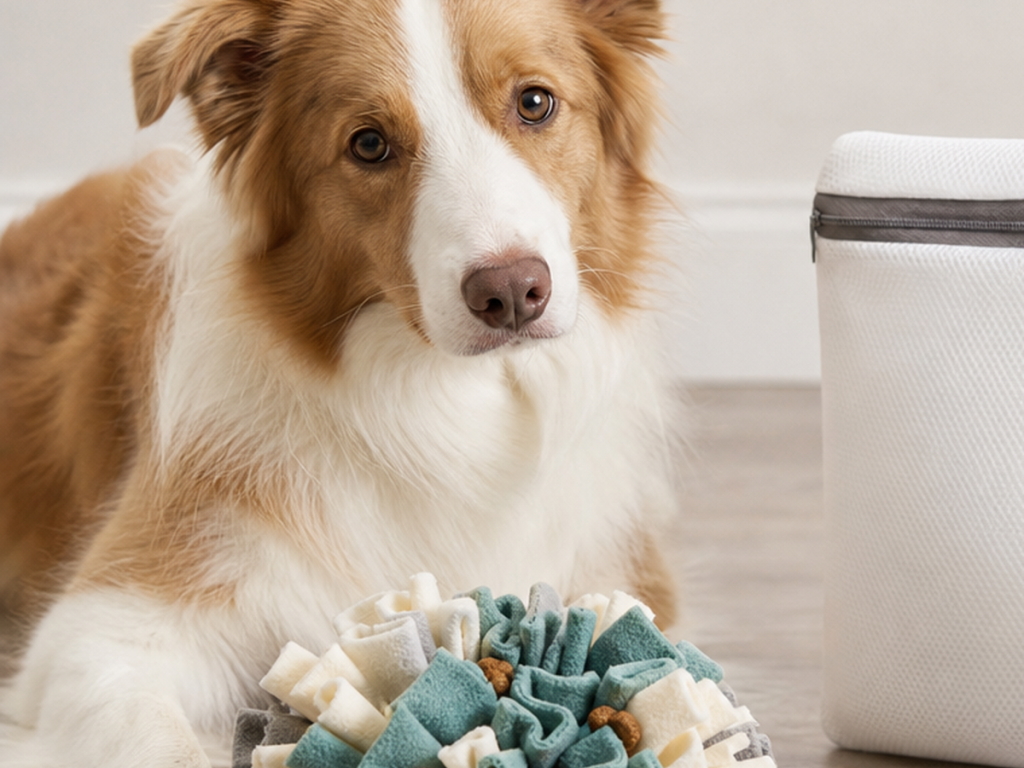
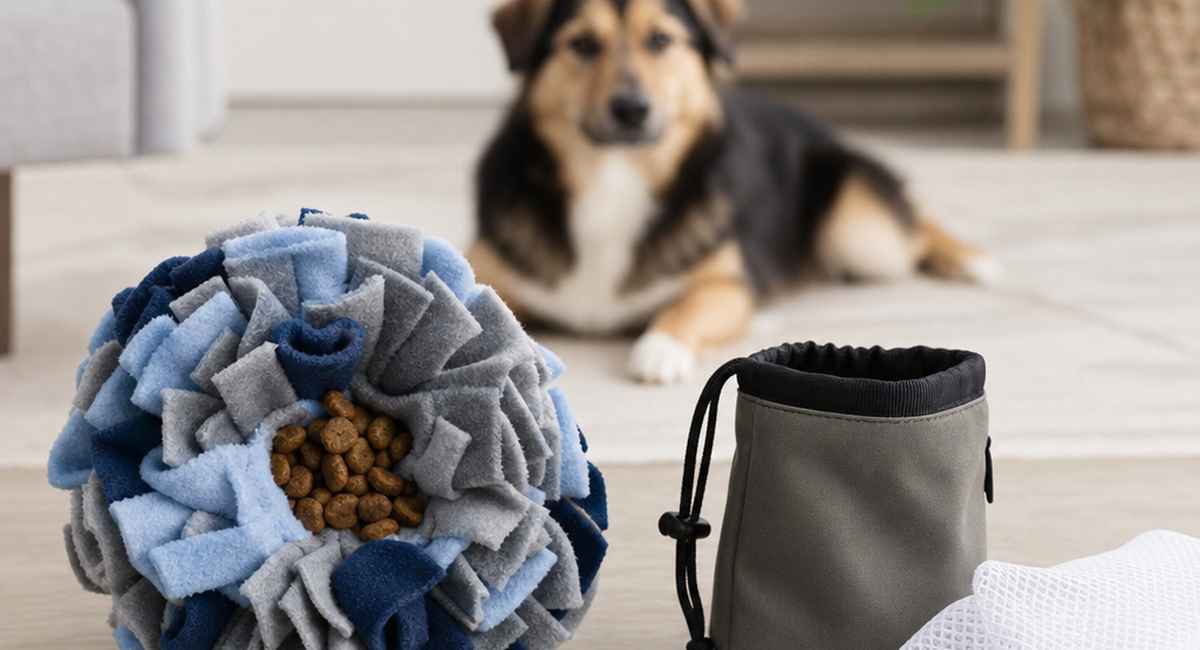
A snuffle ball is the rounder, toy-like version of that idea. Instead of a flat mat, strips or pockets of fleece wrap around a ball shape, usually with kibble or small dry treats tucked into the fabric. That makes it easier to roll, carry and store, but it also creates different buying risks: sizing, seams, loose strips, cleaning access and how easily a determined dog can pull it apart.
The Checkout Mistake: Buying By Cuteness Instead Of Use
The biggest mistake is choosing the cutest or cheapest snuffle ball before checking how your dog will actually use it. A gentle nose-work dog may do well with a soft fleece ball. A heavy chewer may treat the same toy as something to rip open, especially once food scent gets into the fabric.
Before you buy, check four details in the listing and reviews. First, look for the diameter and match it to your dog’s mouth, head size and play style. A toy that is too small can be easier to grab, chew and damage. A toy that is too large may frustrate a small dog before the enrichment starts.
Second, check whether the product is meant for supervised foraging, not unsupervised chewing. VCA Hospitals warns that enrichment toys should be durable enough for safe use and notes that some pets may guard food-filled toys, especially when the toy is new or valuable. If your dog guards food, eats fabric, destroys plush toys or swallows non-food items, ask your vet or a qualified trainer before adding a treat-filled fabric toy.
Third, check the cleaning instructions. Snuffle toys touch food, saliva and floor dust. If the ball is not machine washable, does not open well or has dense folds that never dry, the cheap deal may turn into a hygiene problem.
What To Check Before You Pay
Use this quick buying filter before adding a snuffle ball to the cart:
- Size: the ball should be too large to swallow and comfortable enough for your dog to nose, paw and inspect.
- Material: fleece should feel soft, but seams and strips should not look flimsy or easy to pull out.
- Treat access: the hiding spots should fit your dog’s normal kibble or small dry treats without requiring sticky food.
- Cleaning: prefer washable construction, clear drying instructions and a shape that does not trap damp food.
- Supervision: the listing should not imply that a fabric treat toy is a leave-alone chew for destructive dogs.
- Returns: check whether opened pet toys can be returned if the size, fabric or treat pockets are wrong.
If you are buying for a puppy, senior dog or flat-faced breed, be extra conservative about size, treat amount and supervision. The product is supposed to make sniffing more interesting, not make mealtime stressful or turn into a chewing contest.
Deal And Coupon Checks
Snuffle balls often appear in multi-packs, marketplace listings and broad pet-toy sales. A low price is useful only if the exact toy matches your dog and can be cleaned after repeated use.
Before paying, compare the final cart total after shipping, seller fees and any coupon exclusions. Look at whether the discount applies to the exact size or color you want, whether the seller is the brand or a marketplace reseller, and whether replacement or return rules change once the toy has been used with food. If the listing bundles a snuffle ball with treat pouches or other toys, check whether you would actually use those extras. A bundle is not a savings if half of it stays in a drawer.
Do not rely on a product claim that says the toy is “indestructible” or “for all dogs” without reading the negative reviews. For fabric toys, the useful reviews are often the ones from owners whose dogs chew, shake or de-stuff similar products.
What To Avoid
Avoid snuffle balls with vague sizing, no cleaning instructions, loose-looking ribbons, decorative parts, bells or small plastic pieces that do not need to be there. Skip listings that show the toy being used as a chew toy if your dog already destroys plush toys.
Also avoid stuffing the ball with wet food unless the manufacturer clearly says the toy can handle it and be cleaned thoroughly. SPCA guidance on food puzzles notes that dry kibble is often a better fit for puzzle toys because wet food can be hard to remove and clean. For a fleece ball, dry kibble or small dry treats are usually the cleaner starting point.
Watch the first few sessions. If your dog starts pulling strips out, guarding the toy, swallowing fabric or getting frustrated, take the toy away and reassess. Enrichment should be adjustable, and a flat snuffle mat, slow feeder bowl or simple scatter-feeding game may be a better fit for some dogs.
Quick Answers
Is a snuffle ball better than a snuffle mat?
Not always. A ball is easier to roll and store, while a mat can be easier for some dogs to understand and easier for owners to inspect. Choose based on your dog’s size, chewing habits and how easy the toy is to clean.
Can a snuffle ball replace a walk?
No. It can add indoor mental enrichment, but it does not replace exercise, outdoor sniffing, training or veterinary care. It is a shopping tool, not a full behavior plan.
Can I leave my dog alone with it?
Use caution. A fabric food toy is best introduced with supervision, especially for puppies, multi-dog homes, strong chewers and dogs with a history of swallowing non-food items.
What treats should I use?
Start with part of your dog’s normal dry kibble or small dry treats. Count those calories as part of the day’s food, especially if the toy is used often.
Sources
Sources last checked: July 24, 2026, 16:41 Europe/Rome.
- American Kennel Club, snuffle mats for dogs
- ASPCA, canine DIY enrichment and food puzzles
- VCA Hospitals, enrichment and activity toys safety guidance
- SPCA New Zealand, food enrichment and puzzle toy cleaning considerations
- Walmart snuffle treat ball category, used only as a current shopping-demand signal