
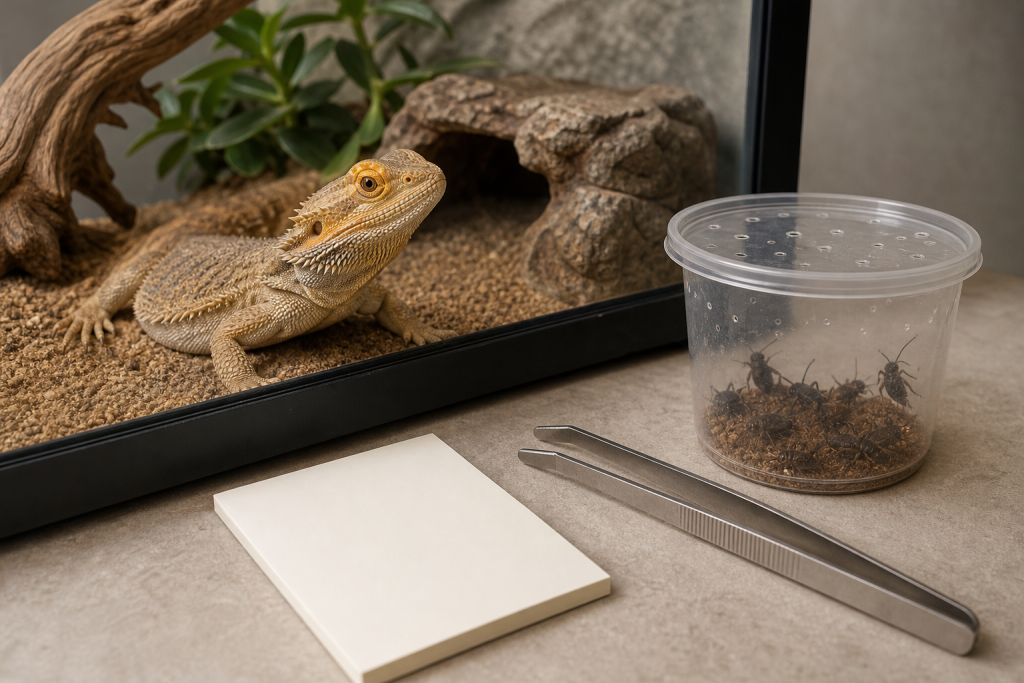
#feeder crickets
#live pet food
#pet supply deals
#reptile food
A live-cricket deal is not a win if the insects arrive weak, die before feeding day or force you to buy extra keeper supplies you did not price in. Before you stock up, check how many crickets your reptile will actually eat, whether the store has live inventory today and whether you can keep the insects fed, ventilated and separated from your kitchen.
That matters right now because pet retailers are still using fall points offers and feeder-food promotions to pull reptile shoppers into the cart. PetSmart’s current Fall Savings Event page lists 10X points on crickets through October 12, 2026, while Petco’s live-cricket page shows the category as an in-store purchase. A points badge can be useful, but live feeders are perishable supplies, not shelf-stable treats.
The mistake is buying crickets like dry food
Dry kibble, litter and canned food can sit in storage. Live crickets cannot. They need air, space, food and moisture, and they can lose value quickly if they sit unfed in a small cup.
Merck Veterinary Manual warns that feeder insects should be fed a complete and balanced diet before they become food, and it specifically notes that pet-store crickets that are brought home and never fed have little nutritional value. That is the part a sale tag does not show. If you buy more than your reptile can eat soon, the bargain can turn into dead insects, bad odor, extra cleanup and a second trip to the store.
What to check before checkout
Start with the animal, not the promotion. A bearded dragon, leopard gecko, chameleon or frog may need different insect sizes, feeding frequency and supplements. If you are new to reptile care, ask an exotic-pet veterinarian or a qualified reptile keeper what size and feeder mix fits the species, age and body condition.
- Size: do not buy the largest crickets just because the per-insect price looks better. Oversized feeders can be hard for smaller pets to eat safely.
- Quantity: buy for the next few feeding sessions, not for an imaginary month of perfect survival.
- Condition: look for active insects, ventilation and clean holding conditions. Avoid cups with many dead insects.
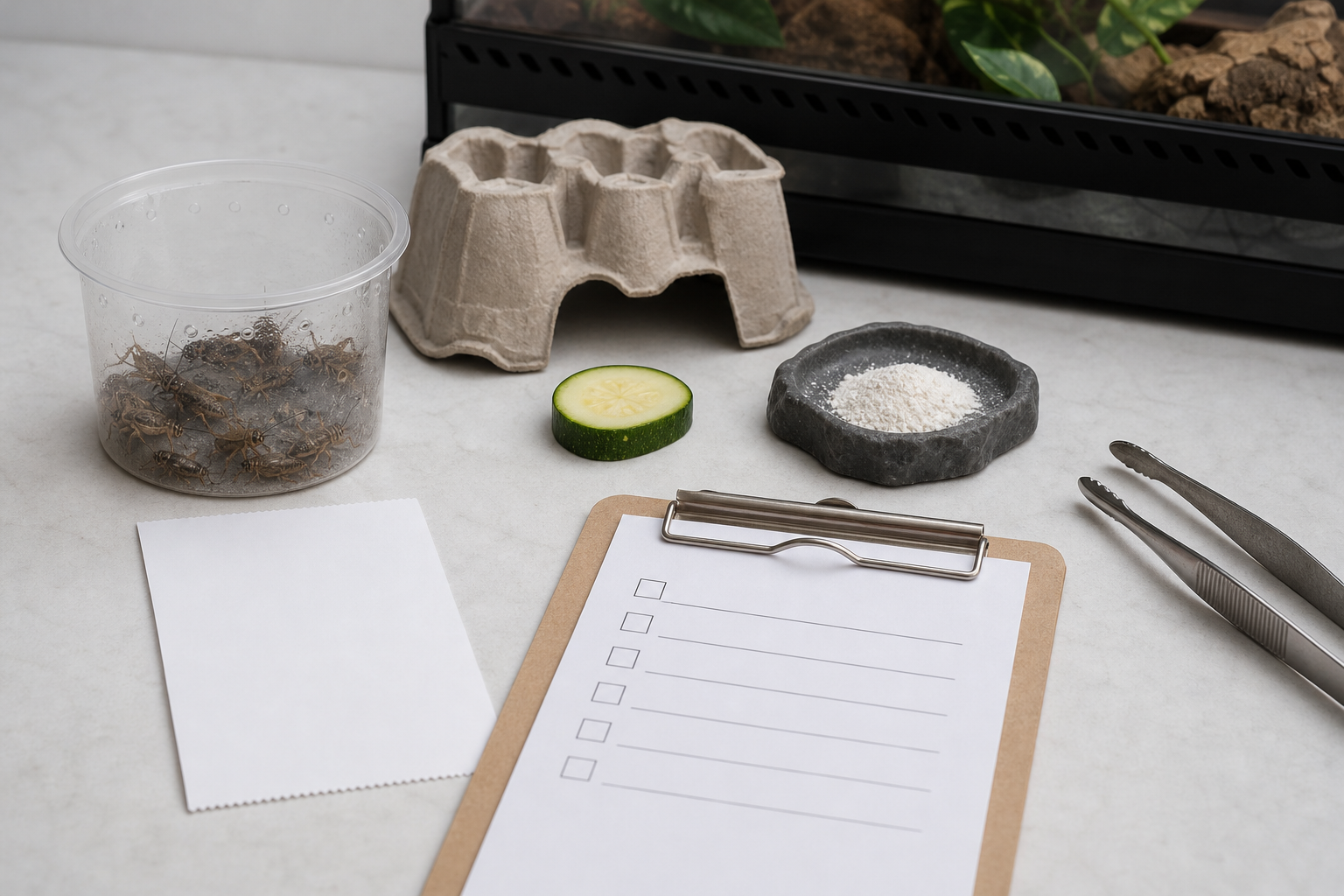
- Holding setup: price a small keeper, ventilation, egg-crate hides, water gel or safe moisture source and feeder food if you plan to keep crickets for more than a short period.
- Store pickup: live feeders are often local or in-store items. Confirm inventory at your chosen location before driving for a sale.
The deal math is different for live feeders
A points deal is not the same as an instant discount. If a retailer says you can earn points or savings on live crickets, check whether those rewards are issued later, whether activation is required, whether the offer is limited by date and whether live insects are excluded from returns or delivery options at your store.
Compare the total feeding cost, not just the cup price. A smaller local purchase can beat a bulk order if fewer insects die, the size is right and you avoid shipping risk. On the other hand, an established feeder-insect supplier may make sense for experienced keepers who already have a proper holding setup and know their weekly use.
When a live-cricket sale is worth it
The offer is more likely to pay off when you already feed crickets regularly, your pet reliably eats them, the store has the right size available and you can use most of the insects within a few days. It can also make sense when you are buying other reptile supplies in the same trip and the reward terms apply to the whole basket.
It is less useful when you are experimenting with a new feeder, changing a reptile’s diet, buying for a pet that has recently stopped eating or replacing a veterinary visit with a shopping trip. Appetite changes, weight loss or repeated refusal of food are care questions, not coupon problems.
Safety and hygiene checks
Reptiles and amphibians need special handling because they are more likely than many other pets to carry germs such as Salmonella, according to the CDC. The risk is not limited to the animal itself. Feeding tools, containers, water dishes and surfaces around the enclosure can also become contamination points.
Keep live feeder supplies away from human food areas. Wash hands after handling the reptile, feeder insects, habitat items or cleaning tools. Do not rinse feeder cups, cricket keepers or tongs in a kitchen sink if you can avoid it. If children help with feeding, an adult should supervise the hygiene routine.
What to avoid
- Do not buy a large quantity only because the sale badge looks better.
- Do not use crickets as the only feeder if your species needs variety, unless a qualified reptile professional has told you that is appropriate.
- Do not keep crickets in a sealed container or a hot car while you finish other errands.
- Do not dust every feeder blindly with supplements. Ask your vet what calcium or vitamin routine fits your species and lighting setup.
- Do not assume online live-feeder shipping will survive extreme heat or cold without checking the seller’s live-arrival and weather rules.
Quick answers
Should you stock up during a cricket sale?
Only if you know how many your pet will eat soon and you have a proper short-term holding setup. Live crickets are not a pantry item.
Are store crickets automatically nutritious?
No. Feeder insects need appropriate feeding before they are offered to a reptile. Crickets that sit unfed after purchase can become a weaker value, even if the cup was cheap.
Is a bulk online order cheaper?
Sometimes, but only after you include shipping, weather risk, live-arrival terms, feeder size, holding supplies and expected losses.
Can a coupon decide what my reptile should eat?
No. Use deals to lower the cost of supplies you already need. Do not change a reptile’s diet just because one feeder is promoted.
Sources
- PetSmart Fall Savings Event, live cricket and points offer language, checked October 12, 2026, 01:52 CEST, Europe/Rome.
- Petco live crickets category page, in-store live feeder context, checked October 12, 2026, 01:52 CEST, Europe/Rome.
- Merck Veterinary Manual, reptile housing and feeder-insect nutrition guidance, checked October 12, 2026, 01:52 CEST, Europe/Rome.
- CDC Healthy Pets, reptiles and amphibians handling and Salmonella guidance, checked October 12, 2026, 01:52 CEST, Europe/Rome.
- USDA APHIS pet food, fish bait and animal feed import page, regulated-organism context, checked October 12, 2026, 01:52 CEST, Europe/Rome.