
#air quality
#dog smoke mask
#pet supplies deals
#wildfire smoke
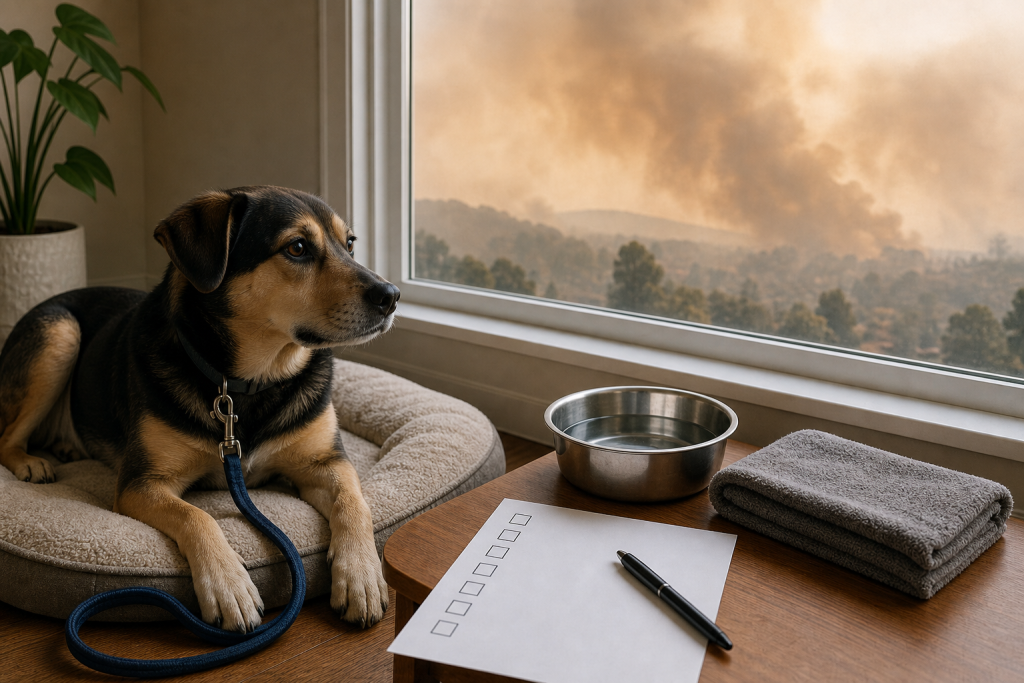
A dog smoke mask deal is only useful if it does not tempt you into keeping your dog outside during bad air. Current wildfire-smoke guidance still points owners toward indoor shelter, closed windows when it is safe to do so, short bathroom breaks and filtered indoor air. If you are considering a mask anyway, treat it as a limited backup item to discuss with your vet, not a pass for walks, hikes or errands in smoke.
Why this matters now
Wildfire smoke has been a live summer concern across parts of North America, and the U.S. Environmental Protection Agency published a 2026 pet-specific wildfire smoke fact sheet. The core advice is simple: reduce pets’ exposure in the same way you would reduce your own, keep pets indoors as much as possible, keep outdoor breaks short and make water available.
That has created a predictable shopping moment. Owners search for air purifiers, replacement filters, indoor potty options and, sometimes, dog air-filter masks. The risk is that a dramatic-looking product can feel more protective than it really is, especially when the product page is easier to read than the air-quality guidance.
The checkout question most owners skip
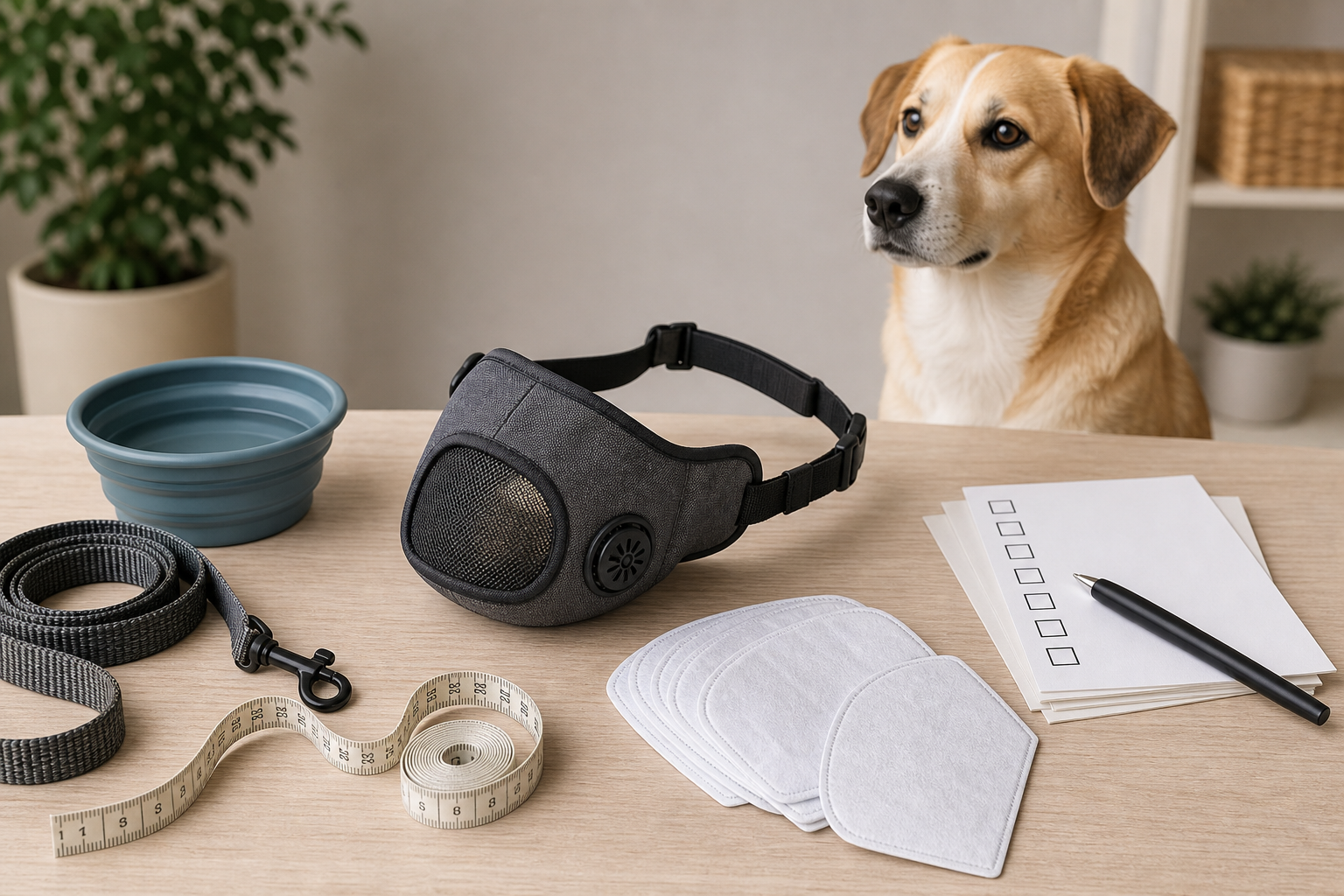
Before buying, ask what problem you are actually solving. If the goal is to take your dog on normal walks while the air is smoky, the deal should probably stay in the cart. The American Veterinary Medical Association says dogs and cats should go outside only for brief bathroom breaks during air-quality alerts and should avoid intense outdoor exercise when air quality is poor.
A mask also has to work on a moving, panting animal. Dogs cool themselves partly by panting, and any muzzle-style item can become a problem if it restricts breathing, traps heat, causes panic or fits poorly. That is especially important for short-nosed breeds, senior dogs, puppies and dogs with heart or lung conditions. For those dogs, ask your veterinarian before buying or trying any wearable air-filter product.
What to verify before paying
- Use case: Buy only for brief, necessary exposure if your vet agrees. Do not buy it to justify exercise during smoke.
- Fit method: Check whether the seller requires muzzle circumference, snout length or breed-specific sizing. Guessing by weight alone is weak.
- Panting room: Look for clear warnings about monitoring comfort, removing the mask if your dog struggles and avoiding overheating.
- Filter cost: Count replacement filters, not just the starter kit. A cheap mask can become expensive if filters are proprietary or sold in small packs.
- Return policy: Fit-sensitive pet gear often fails at home. Confirm whether opened masks, used filters or wrong sizes can be exchanged.
- Training time: A dog that has never tolerated a muzzle may not accept a mask during an already stressful smoke event.
- Species limits: Do not assume a dog product is suitable for cats, birds or small pets. Birds are especially sensitive to air quality, and a wearable mask is not a realistic fix.
Deal and coupon checks
Do not let a coupon decide the purchase. A genuine discount still needs the right size, replacement filters, shipping speed and return terms. If smoke is already affecting your area, overnight shipping can cost more than the product and may still arrive after the worst day has passed.
Also compare the mask against basics that official sources emphasize first: a cleaner indoor room, closed windows when cooling is still safe, short bathroom breaks, clean HVAC filters and a properly sized portable air cleaner. If your budget only covers one purchase, an item that improves the room your dog actually stays in may be more useful than a wearable product your dog refuses to tolerate.
What to avoid
Avoid any listing that makes a dog mask sound like a medical device, a cure for smoke exposure or a reason to ignore air-quality alerts. Be careful with vague claims such as “N95 for pets” if the page does not explain the filter, fit, replacement schedule and warnings in plain language. Do not improvise a tight human mask around a dog’s muzzle without veterinary guidance, since airflow, panting and panic matter.
If your dog is coughing, wheezing, unusually tired, breathing harder than normal or acting distressed during a smoke event, do not shop your way through the problem. Move the dog to cleaner indoor air if possible and contact a veterinarian for advice. This article is shopping guidance, not diagnosis or treatment instruction.
Quick answers
Are dog smoke masks worth buying?
Only for a narrow use case, if the fit is right, your dog tolerates it and your vet has no concern. They should not replace staying indoors and keeping outdoor breaks short during smoke.
Should cats wear smoke masks?
No normal cat-shopping scenario makes that a good bet. Focus on cleaner indoor air, short necessary exposure and veterinary advice for any cat with breathing concerns.
What is the better first purchase for wildfire smoke?
For many homes, the first useful purchase is a properly sized air cleaner or replacement HVAC filters for the room where the pet spends time. Check official CADR and room-size guidance before buying.
Can a mask make walks safe during bad air?
No. The safer assumption is that smoke days are indoor days, with brief bathroom breaks and no intense exercise until air quality improves.
Sources
Sources last checked: July 27, 2026, 07:37 Europe/Rome.
- U.S. EPA, Protect Your Pets from Wildfire Smoke
- U.S. EPA, Protect Your Pets from Wildfire Smoke fact sheet, EPA-452/F-26-007
- American Veterinary Medical Association, Wildfire smoke and animals
- Cornell Riney Canine Health Center, Dog safety during poor air quality alerts or wildfire smoke
- U.S. EPA, Guide to Air Cleaners in the Home
- K9 Mask, Size Grid for Air Filter Dog Face Masks