
#carpet deodorizer
#pet cleaning
#pet odor
#pet safety
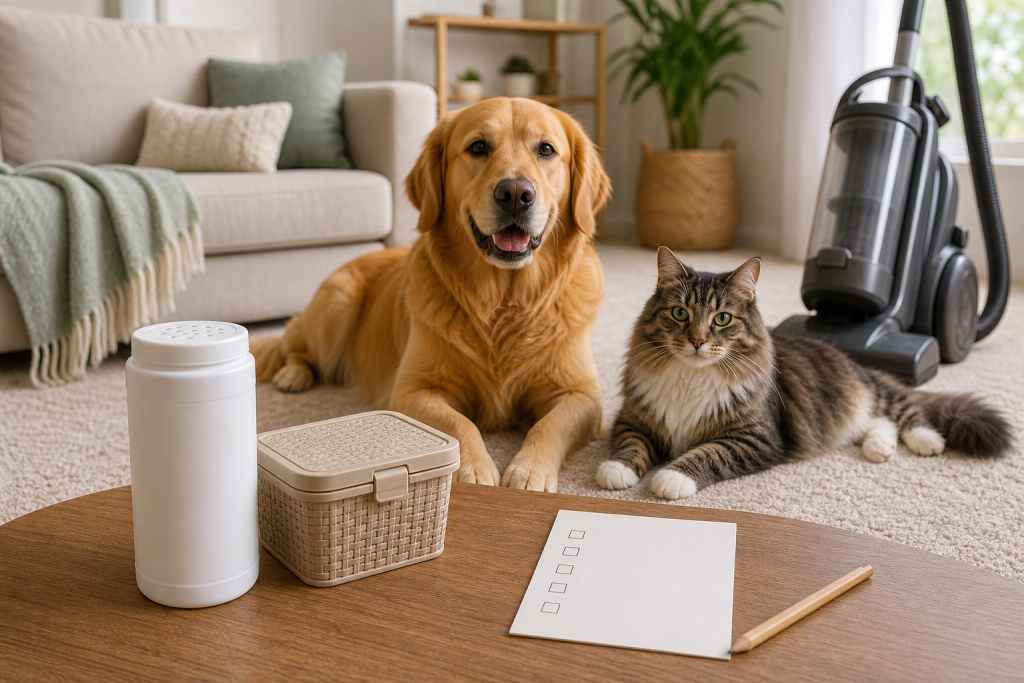
A carpet deodorizer powder deal can look like the fastest fix for pet smell, but it is only a good buy if you can keep pets out of the room until the powder is fully vacuumed up. The mistake is treating “pet odor” on the label as permission to sprinkle it freely around dogs and cats. Before checkout, check the fragrance, dust, vacuum instructions, surface limits and whether an enzyme cleaner would solve the accident better.
This matters now because summer makes pet odor products more tempting. Dogs track in heat, pollen and yard smells, cats may spend more time near litter areas, and big online tubs of scented powder can look cheaper than smaller sprays. The cheaper cart can backfire if the product leaves residue, irritates paws, makes a vacuum clog or simply perfumes over a stain that still needs cleaning.
Why the Powder Deal Is Easy to Misread
Carpet deodorizer powders are usually sold as odor-control products, not as pet-care products. Some are marketed for homes with pets, but that does not mean a dog or cat should walk through fresh powder, inhale dust while it is being applied or lick residue from paws. The ASPCA says proper use of carpet deodorizing products should not be expected to cause significant harm, but it also recommends keeping pets out of the room until the powder has been vacuumed up.
That distinction is the shopping lesson. A product can be reasonable when used as directed and still be a poor fit for a home where a cat hides under the sofa, a puppy mouths everything or a senior dog cannot be kept away from the treated room.
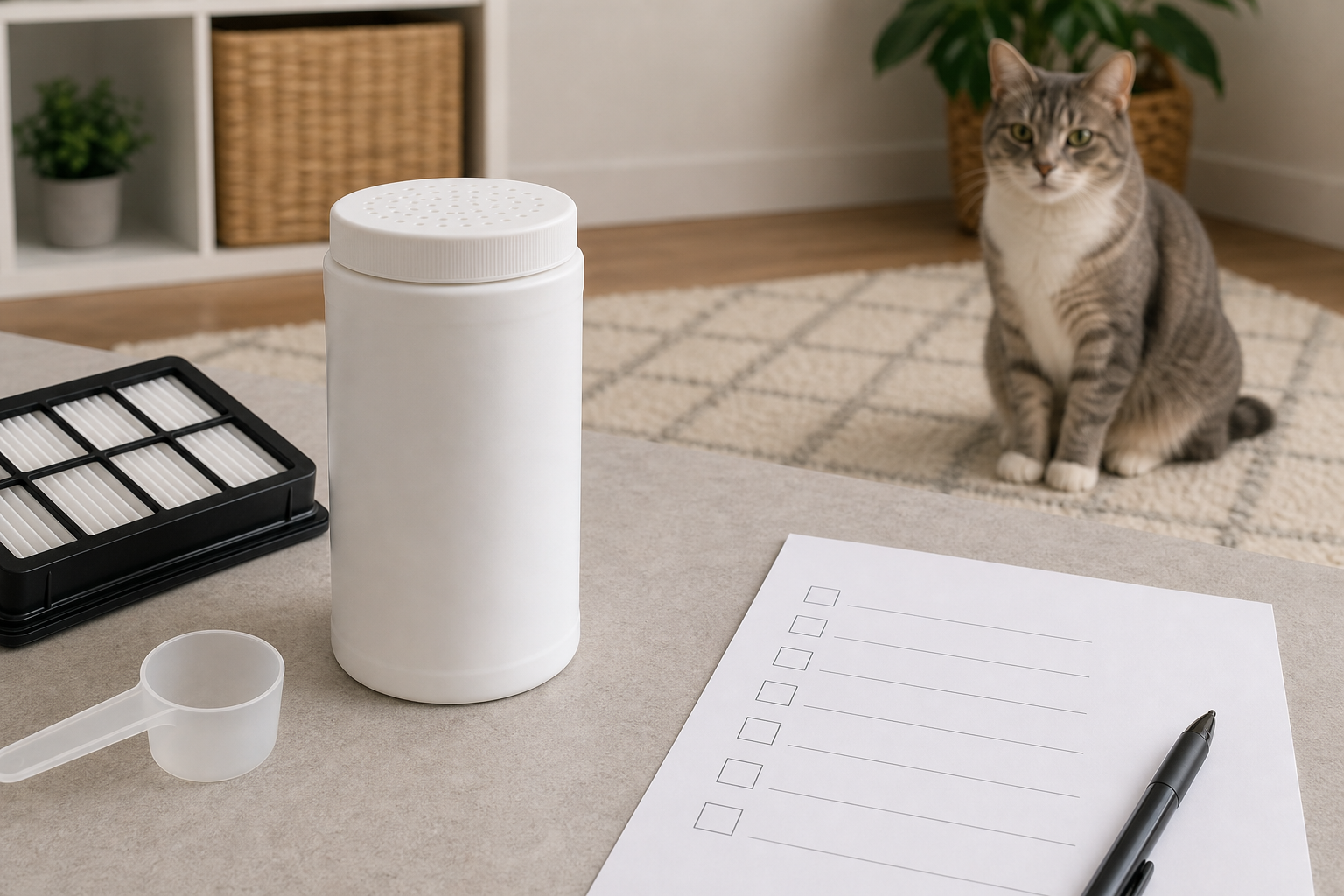
Check These Details Before You Add a Big Tub
- Wait time: A powder that must sit for 15 to 30 minutes is harder to use safely if pets cannot be blocked from the room.
- Vacuum compatibility: Fine powder can be messy, and some vacuums or filters may need extra maintenance after heavy use.
- Fragrance strength: “Fresh,” “tropical” or “laundry” scent may bother sensitive people or pets even if the product is used correctly.
- Surface limits: Rugs, upholstery, wool carpet and dark fabrics may have different instructions. Spot-test first if the label says to.
- Ingredients and warnings: Do not rely on front-label words such as “natural” or “pet odor.” Read the directions and warnings.
- Storage: A shaker tub should close tightly and stay away from pets, especially if a dog can chew the container.
When an Enzyme Cleaner Is the Better Buy
If the problem is urine, feces or vomit, a deodorizer powder may only make the room smell better for a short time. Humane World recommends enzymatic cleaners for pet stains and odors because they break down waste odors on washable items and affected surfaces. Powders are more of a finishing product for dry odor control. They are not a substitute for cleaning the source of an accident.
That is where many bulk deals become expensive. A large scented powder may cost less per ounce, but it can encourage repeated use on the same stain instead of one proper clean. If the smell returns after vacuuming, put the money toward the right cleaner, a washable rug, a litter-box adjustment or a vet conversation if accidents are new or unusual.
The Deal Math to Do Before Paying
Compare the cost per ounce, but also compare the cost per actual use. A heavy sprinkle can empty a large tub quickly. Shipping can also change the real deal because powders are bulky, and some marketplace listings may charge more for delivery than the sale badge suggests.
Before checkout, verify the seller, return policy and whether the product is eligible for refunds after opening. If you are buying a multi-pack, make sure you already know the scent is tolerable and the powder vacuums cleanly on your carpet. A single smaller container is often the smarter trial than a bargain case.
What to Avoid
Avoid sprinkling powder while pets are in the room. Avoid leaving powder down longer than the label directs just because the smell is stubborn. Avoid essential-oil DIY blends around cats unless your veterinarian has specifically approved the use, since the ASPCA warns cats can be especially sensitive to essential oils. Avoid using any deodorizer as a way to hide a litter-box, house-training or skin problem that needs a practical fix.
Also avoid panic advice from social posts that tells you to induce vomiting or give a home antidote if a pet gets into a product. Pet Poison Helpline says not to give home antidotes or induce vomiting without professional guidance. If your pet has ingested a concerning amount, is coughing, vomiting, drooling, acting abnormal or has powder in the eyes, contact your veterinarian or a poison-control service promptly.
Quick Answers
Are carpet deodorizer powders automatically unsafe for pets?
No. The safer question is whether you can follow the label exactly, keep pets away during use and vacuum the powder thoroughly before they return.
Is “pet odor” the same as “safe for pets”?
No. It usually means the product is marketed for pet smells. You still need to read the directions, warnings and contact-time instructions.
Should I buy scented or unscented?
If you are unsure, start with the least aggressive scent and the smallest size. Strong fragrance can make a clean room feel worse for some households.
Can baking soda replace every carpet cleaner?
No. Baking soda can help with some dry odor situations, but pet-waste stains often need an appropriate cleaner and complete removal of the source.
Sources
- ASPCA, Pet Poisons: Be Mindful of these Household Products and Cleaning Agents
- ASPCA Animal Poison Control, Poisonous Household Products
- American Veterinary Medical Association, Household Hazards
- Pet Poison Helpline, Top Kitchen Toxins
- Humane World, How to Remove Pet Stains and Odors Naturally
Sources last checked: July 31, 2026, 04:39 Europe/Rome.