
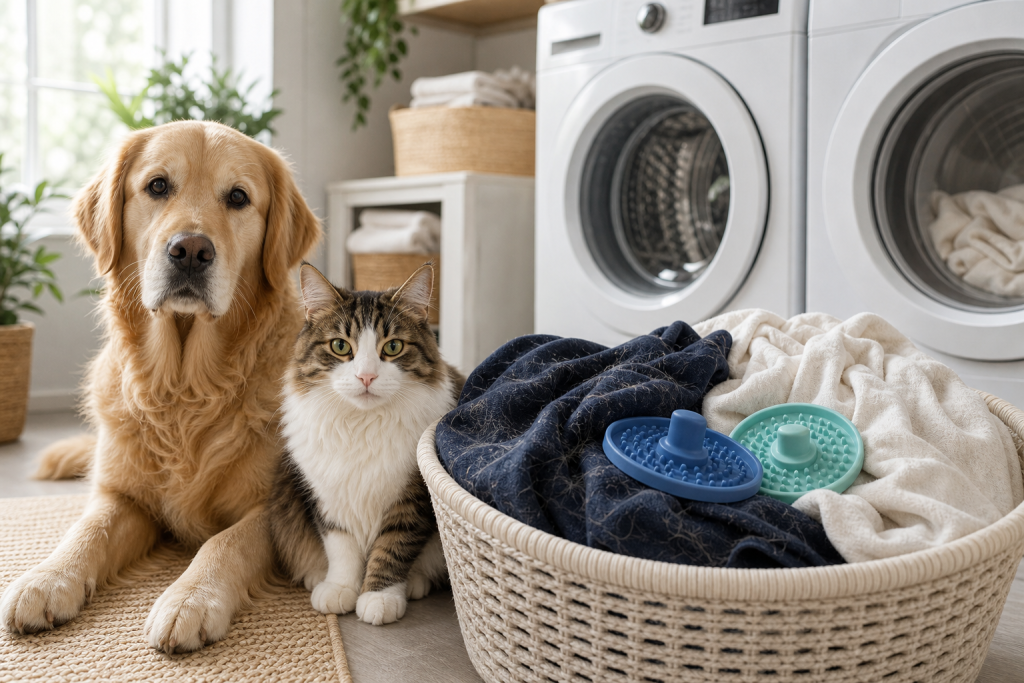
A dryer ball deal is only useful for pet hair if you expect it to help loosen lint and reduce static, not perform a miracle clean. The mistake is buying a big pack because it promises cleaner pet bedding, then adding fragrance, skipping the lint trap and leaving the same fur problem in the washer and dryer. For most dog and cat homes, dryer balls are a small laundry tool, not a replacement for brushing, pre-drying, lint removal or safe product labels.
Why This Pet-Hair Laundry Deal Is Showing Up Now
Fall shedding, holiday bedding refreshes and colder-weather laundry loads make pet hair feel more obvious. Search and shopping surfaces are also full of reusable dryer balls, pet-hair dryer sheets and silicone laundry catchers pitched at dog and cat owners who are tired of fur on fleece, towels and couch covers.
That does not make every “pet hair remover” claim equal. A cheap dryer ball pack may help separate items in the dryer and reduce some static cling, but it cannot pull embedded hair out of a blanket that went into the machine covered in loose fur. If the deal depends on strong scent, essential oil drops or broad “non-toxic” language with little detail, the checkout needs a slower read.
What Dryer Balls Can Actually Help With
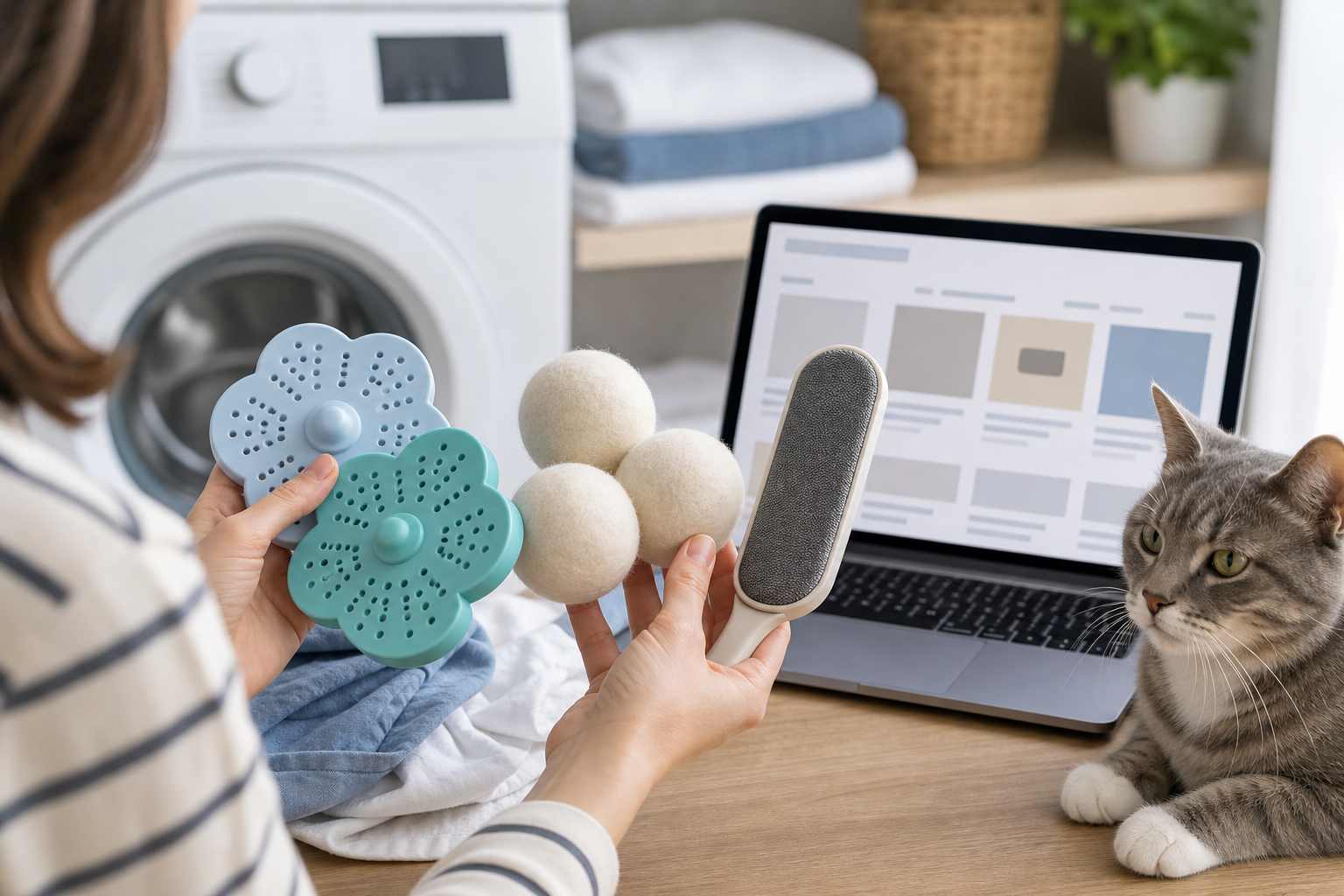
Dryer balls are most believable when the claim is modest: they tumble with the load, help separate fabric and can reduce static for some laundry. That can make pet hair easier for the dryer and lint trap to collect, especially on bedding, towels and washable throws.
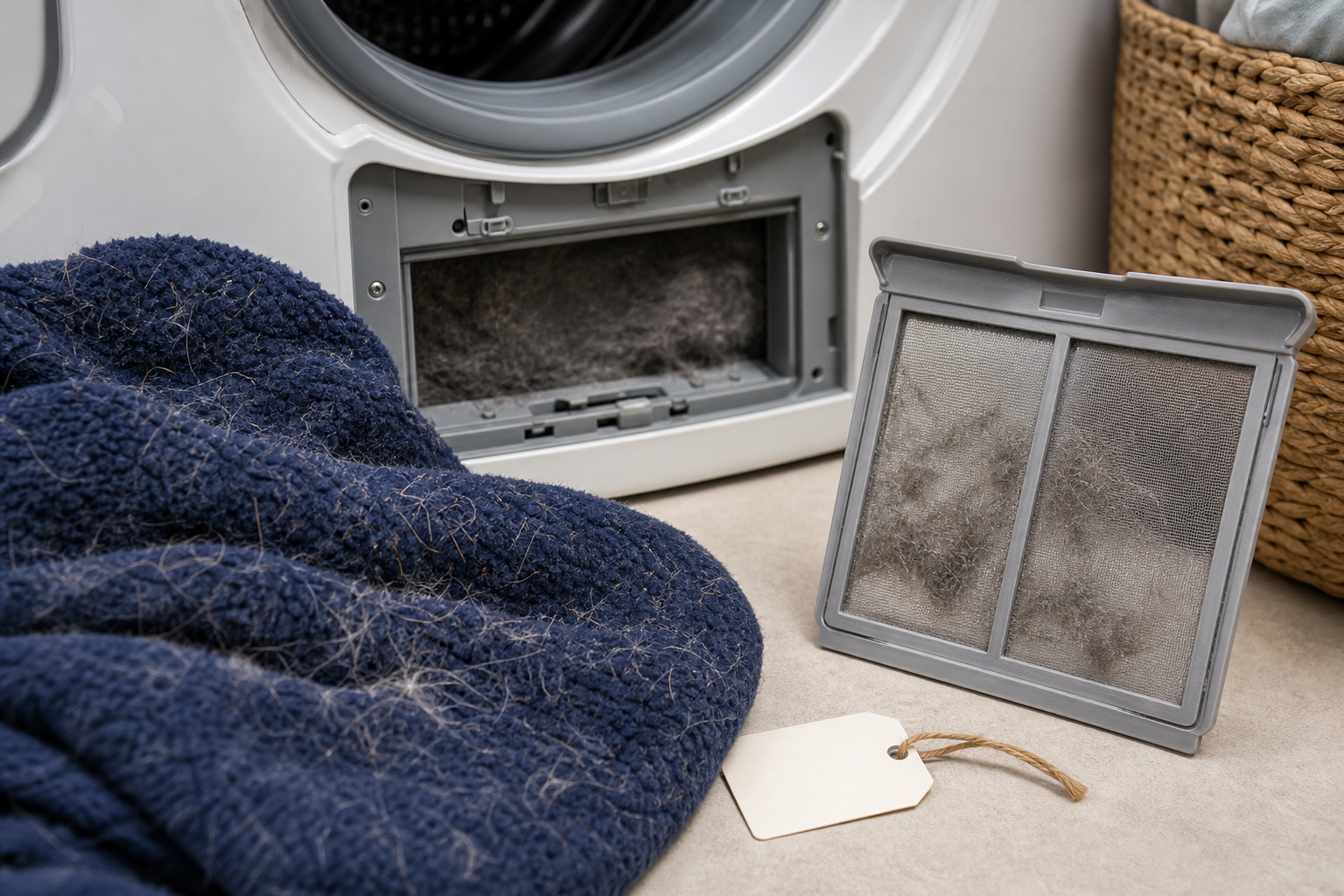
The catch is that static is not the only reason fur sticks. Pet hair can weave into fleece, microfiber, knit fabrics and rough blankets. If a dog bed cover or cat blanket is already packed with hair before washing, dryer balls may only move some loose fur around. You may still need to shake the item outdoors, use a lint roller or pet-hair brush first, run an air-only dryer cycle before washing, and clean the lint screen after every pet-heavy load.
That is the buying test: if the product page promises “removes all pet hair” or “replaces every other tool,” treat that as marketing, not a fact. If it says the balls may reduce static, shorten some drying loads or help loosen lint, that is more realistic.
The Dryer Sheet Tradeoff Pet Owners Miss
Pet-hair dryer sheets are popular because they are convenient. They can reduce static, which may help hair release from some fabrics. The problem is that dryer sheets are disposable, scented versions can be irritating in some households, and the ASPCA notes that fabric softener sheets can be a concern if pets chew or ingest them.
That does not mean every household must avoid dryer sheets. It means a “pet hair” label is not enough. If you use them, store unused sheets where pets cannot reach them, keep used sheets out of beds and litter areas, and stop treating scent as proof that laundry is cleaner. Strong fragrance can mask a bedding or skin-odor issue that should be solved by washing, grooming, vet guidance when needed, or replacing worn bedding.
Before You Buy, Check These Details
Material: Wool balls are common, but they may not suit a household avoiding wool or lanolin. Plastic or rubber balls can be louder and may not perform the same way. If your pet steals laundry items, avoid anything small enough to become a chew target.
Size and count: A very small set may be weak for heavy dog blankets. A large multipack may be unnecessary if you mostly dry small loads. Match the pack to the type of laundry you actually run.
Scent claims: Unscented is the cleaner choice for many pet homes. Be cautious with dryer balls sold as essential-oil carriers. The ASPCA advises care with essential oils around pets, especially cats, birds and pets with respiratory concerns.
Hair-removal promise: Look for specific wording. “Helps reduce static” is different from “removes pet hair.” If the listing shows before-and-after photos, check whether they are product tests, staged marketing images or customer photos with unclear fabric types.
Washer versus dryer use: Some pet-hair laundry tools are meant for the washer, some for the dryer and some claim both. Do not assume a dryer ball belongs in a front-load washer unless the manufacturer says so.
Return terms: Laundry accessories are often cheap enough that returns are not worth the time, but bundled sets can still disappoint. Check whether opened products can be returned, whether marketplace sellers charge return shipping and whether the brand offers any real support beyond a product page.
Deal And Coupon Check: Do The Per-Load Math
A dryer ball deal can be sensible if it replaces frequent disposable sheets and lasts through many loads. The savings are weaker if you still need dryer sheets for static, a separate pet-hair catcher for the washer and a lint tool for furniture.
Before you apply a coupon, compare the total cost by load, not just the pack price. A six-pack that lasts longer may beat a cheaper novelty set that sheds fibers, cracks or goes missing under appliances. For scented products, do not pay extra for fragrance if you plan to avoid scent around pet bedding anyway.
Also check the seller. On marketplaces, look for a clear brand name, material disclosure, quantity, return policy and recent reviews that mention dog or cat bedding, not just general towels. Avoid listings that use medical-sounding language, vague “chemical-free” claims or photos of branded pet products that do not match what is being sold.
What To Avoid
Avoid adding essential oils to dryer balls used with pet bedding unless your veterinarian has specifically cleared that practice for your household. Oils can concentrate on fabric, and pets spend long periods sleeping on bedding, licking coats and inhaling close to blankets.
Avoid using dryer balls as a chew toy after they wear out. Even natural materials can become an ingestion problem if a dog tears them apart. Keep laundry accessories in the laundry room, not in the toy basket.
Avoid overloading the dryer. Pet blankets need room to tumble. A packed drum reduces airflow, leaves hair trapped in folds and can make static worse. Clean the lint screen each time, and pay attention to dryer performance if pet bedding is a frequent load.
Avoid assuming a pet-hair laundry product fixes the source of shedding. Regular brushing, the right grooming tool for the coat and washable bedding usually matter more than a dryer accessory. If shedding, skin odor or grooming changes are sudden or severe, ask your vet instead of buying another laundry add-on.
Quick Answers
Are wool dryer balls safe for pet bedding? They can be a reasonable unscented laundry tool when used as intended and kept away from pets between loads. They are not meant to be chewed or eaten.
Do dryer balls remove dog and cat hair? They may help loosen some hair by reducing static and separating fabric, but they will not remove all embedded fur. Pre-treating the laundry and cleaning the lint trap still matter.
Are pet-hair dryer sheets better? They may work better for static in some loads, but they are disposable and need safer storage around pets. Scented sheets are not automatically better for pet bedding.
Should I put essential oils on dryer balls? For pet bedding, skip it unless your vet has cleared it for your specific pets. Unscented laundry is the safer default.
Sources
Sources last checked: September 27, 2026, 22:33 CEST, Europe/Rome.