
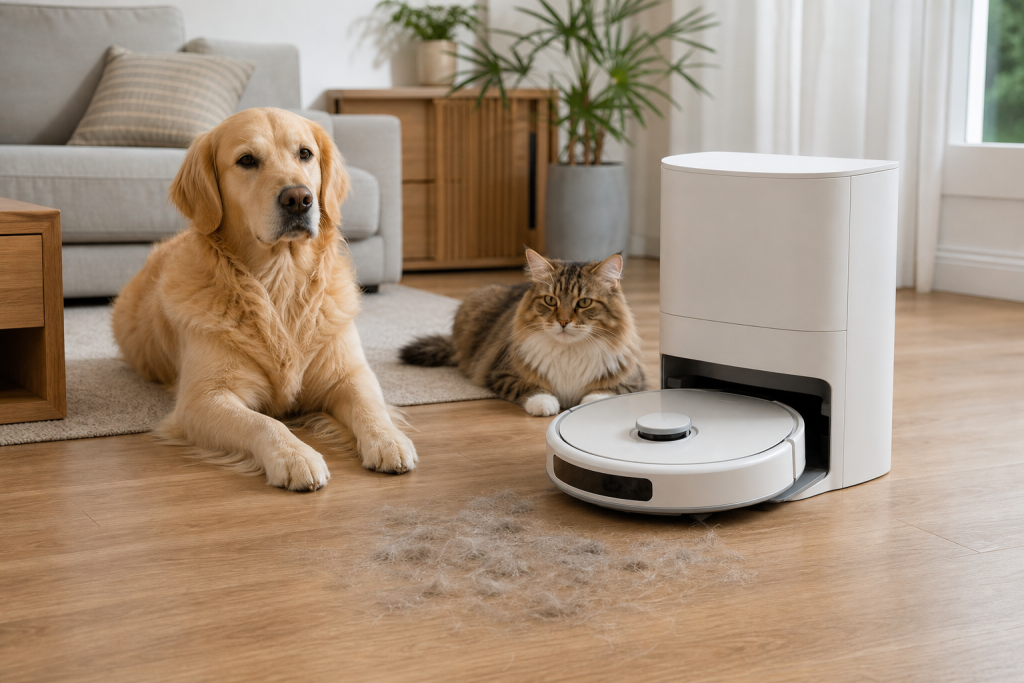
The new FCC update does not mean your current robot vacuum has to go in the trash, and it does not make every pet-hair vacuum illegal overnight. It does mean shoppers should be more careful before buying a connected robot vacuum for dog hair, cat litter tracking or daily pet mess, because future model availability, support promises, replacement parts and privacy controls may matter more than a sale badge. Before checkout, confirm the exact model, return window, app support, parts availability and what data the robot collects in your home.
This matters now because the FCC said on July 28, 2026 that it added foreign-produced advanced robotic devices to its Covered List after national security determinations. The FCC fact sheet says the action does not affect devices consumers already bought, and it does not block retailers from selling models that were previously approved through the FCC equipment authorization process. The restrictions apply to new device models, which is where robot-vacuum shoppers should slow down.
Why pet owners should care
Pet owners often buy robot vacuums for a specific reason: daily hair, litter crumbs, kibble dust and paw-track mess. A basic vacuum deal is mostly about suction, brush design and bin maintenance. A connected robot vacuum is also a mapping device, a Wi-Fi device, an app device and sometimes a camera or microphone device.
WIRED reported that the FCC update is expected to affect future foreign-made mobile robots, including robot vacuums, while current approved products can still be sold and used. Consumer Reports also covered the new robot-vacuum issue for shoppers. That does not mean owners should panic-buy, but it does change the questions to ask when a premium robot vacuum is on sale.
The checkout checks before a robot vacuum deal
Match the exact model number. Do not rely only on a product family name. Robot vacuum brands often sell several versions with similar names, different docks, different cameras and different mop systems. Save the model number from the retailer page, the warranty page and the manufacturer support page.
Check whether the model is already sold in your market. The FCC fact sheet says existing approved models are not affected by the new Covered List update. If a listing is for a future model, preorder, import listing or marketplace-only version, treat it as higher risk until the seller explains authorization, shipping and returns clearly.
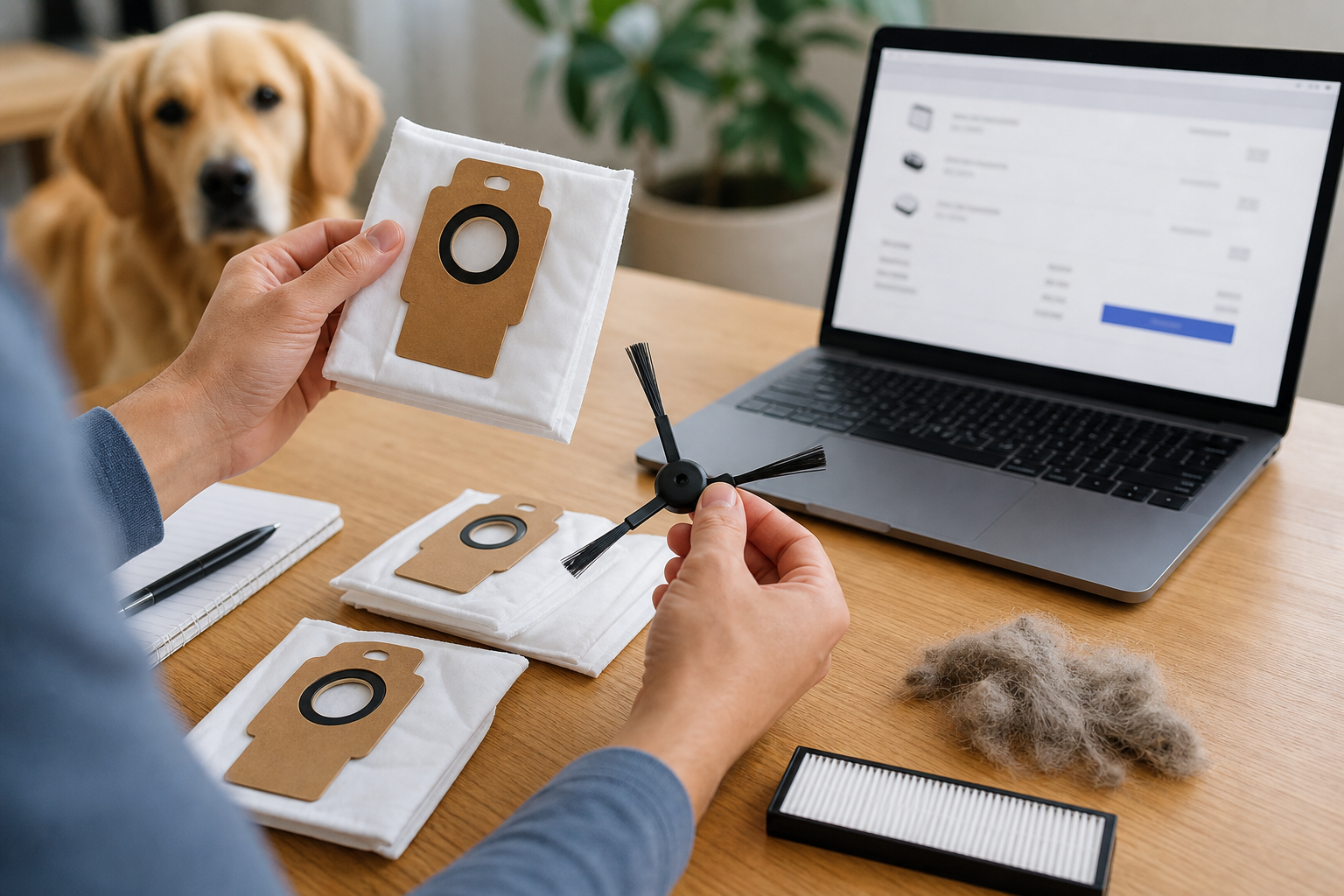
Ask what happens if a replacement model never arrives. A pet-hair robot vacuum is only a good buy if you can replace brushes, filters, mop pads, bags, batteries and the dock parts you actually use. If the sale unit uses proprietary bags or brush modules, price those refills before you click buy.
Read the return policy like you expect pet hair to win. Robot vacuums can struggle with long hair, thick rugs, dark flooring, thresholds, high-shedding dogs and litter scatter. A real return window matters more than a small discount if the robot cannot handle your floor plan.
Check app support and privacy before setup. The FTC advises owners of internet-connected devices to protect the router, change default passwords, use two-factor authentication where available and keep apps and firmware updated. For a robot vacuum, also check whether maps, camera images, voice commands or cleaning history are stored locally, in the cloud or both.
When a deal is not really a deal
A robot vacuum sale can look strong because the hardware price is visible and the follow-up costs are scattered across other pages. Add the first year of bags, filters, brushes, mop pads, cleaning solution if required, replacement rollers and any paid app features. Then compare that total against a simpler non-mapping vacuum or a cheaper robot without a camera.
Be careful with marketplace listings that use phrases like “new 2026 model” without a clear manufacturer warranty. The lowest price is not helpful if the seller is hard to reach, the dock is not the right plug version, the app region does not match your phone account or the return label costs nearly as much as the discount.
If you are buying because of the FCC news, do not let the headline rush you. Current approved models are not supposed to stop working because of this update. A sensible deal still needs the same proof it needed yesterday: clear support, real parts, fair returns and privacy settings you understand.
Pet-specific performance checks
Brush access: Long dog hair and cat hair can wrap around rollers. Check whether the brush comes out without tools and whether replacement rollers are sold separately.
Bin and bag capacity: A self-emptying dock can help in a multi-pet home, but bags become a recurring cost. If your dog sheds heavily, compare bag count and expected replacement frequency before assuming the dock saves money.
Litter handling: Some robots scatter lightweight litter or drag damp litter into brush parts. If the main mess is near a cat box, look for edge cleaning, obstacle avoidance and easy washable parts, not just suction claims.
Pet accidents: No robot should be trusted blindly around vomit, urine, feces or spilled wet food. Object avoidance helps, but it is not a guarantee. If accidents happen in your home, schedule cleaning when someone can check the floor first.
What to avoid
- A future-model preorder with vague FCC authorization, shipping or cancellation language.
- A marketplace seller that cannot explain warranty service in your country.
- A camera-equipped robot when you cannot find map, video, microphone or cloud-storage controls.
- A bargain dock that needs costly bags, filters or mop pads you cannot easily reorder.
- Any listing that claims a robot vacuum is a pet-safety device or a substitute for checking on your animal.
Quick answers
Does the FCC update affect the robot vacuum I already own?
The FCC fact sheet says the update does not affect devices consumers previously acquired. It also says previously authorized models can continue to be imported, marketed or sold unless future action changes that.
Should pet owners buy a robot vacuum right now?
Buy only if the exact model is already available from a reliable seller, the return policy is clear and replacement parts are easy to find. Do not buy only because a headline makes future supply sound uncertain.
Is a camera robot vacuum better for pets?
Not automatically. Cameras and AI object avoidance can help some homes, but they also add privacy questions. If your main problem is hair, a strong brush system and easy maintenance may matter more.
What is the biggest hidden cost?
Replacement parts. Bags, filters, rollers, mop pads and batteries can turn a cheap robot vacuum into a more expensive ownership cycle, especially in a high-shedding home.
Sources
- FCC, Fact Sheet: FCC Updates Covered List to Include Foreign-Produced Advanced Robotic Devices and Power Inverters, July 28, 2026.
- FCC, Covered List.
- WIRED, The FCC Is Coming for Robot Vacuums. How Soon Will It Be a Problem?, July 30, 2026.
- Consumer Reports, What FCC Ban on Foreign-Made Robot Vacuums Means.
- FTC, Securing Your Internet-Connected Devices at Home.
Sources last checked August 2, 2026, 01:36 Europe/Rome.