
#cat beds
#dog beds
#pet bed deals
#self-warming pet bed
A self-warming pet bed is usually not a tiny electric blanket. The deal can disappoint when shoppers expect active heat, then discover the bed only reflects a dog or cat’s own body warmth and may have a cover or insert that is harder to wash than the product photo suggests. Before you buy one, check the warmth method, cleaning instructions, size, chew risk, return terms and whether your pet can move away from it easily.
That matters now because warming beds sit in a confusing part of the pet-bed aisle. Retailers group electric heated beds, microwave warmers and self-warming mats together, while seasonal pet shopping is already shifting from summer travel gear toward indoor comfort, senior-pet supplies and early cold-weather deals. A low price is only useful if the bed fits the way your pet sleeps and survives ordinary hair, accidents and washing.
What “self-warming” really means
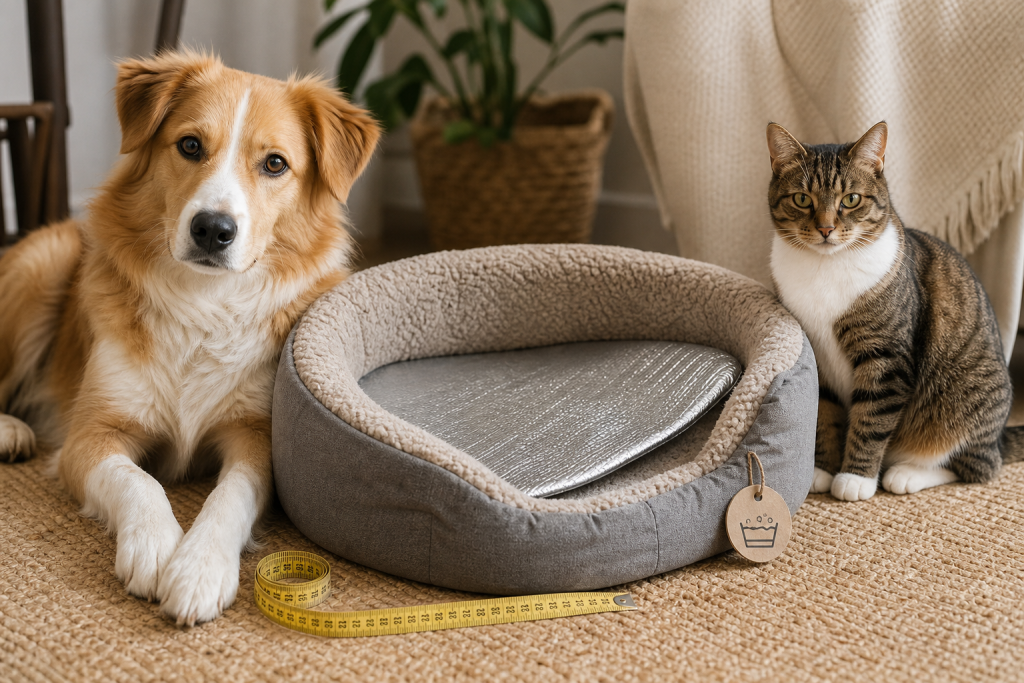
Most self-warming beds use a reflective layer that sends some of your pet’s body heat back toward them. That is different from a plug-in heated bed with a cord, thermostat or timer. It can be a smart low-tech choice for cats, small dogs, short-coated pets or pets who like a warm resting spot, but it will not warm up an empty bed before your pet lies down.
The useful checkout question is simple: are you buying gentle reflected warmth or actual powered heat? If the listing says no electricity, no batteries or heat-reflecting material, treat it as a comfort bed, not as a heater. If your pet is senior, very young, sick, thin-coated, arthritic or unable to move away comfortably, ask your vet what kind of warm bedding is appropriate instead of relying on a deal page.
The checkout checks that matter more than the discount
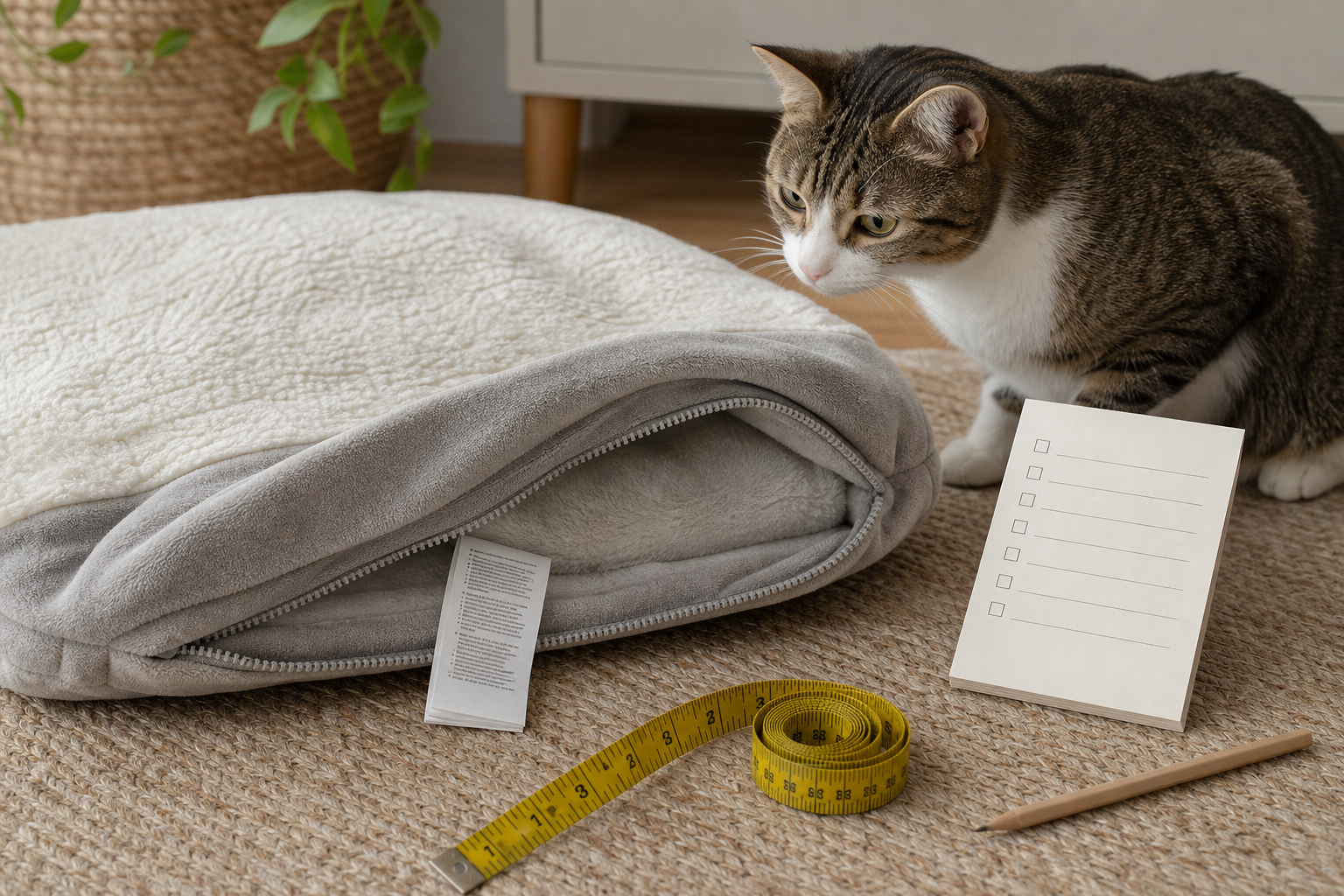
Start with the cover. A bed that is only spot-clean can become expensive fast if your cat sheds heavily, your dog drools, or the bed is for a crate, shelter room, senior pet or accident-prone pet. A removable machine-washable cover is usually easier to live with than a plush bed where the whole warming insert is sewn inside.
Next, check the insert. Some self-warming beds use crinkly reflective material. That sound may not matter to one cat and may make another avoid the bed completely. If the product page mentions mylar, foil, reflective film or thermal lining, scan reviews for words such as crinkle, noisy, thin, chew and wash.
Measure the resting area, not only the outside edge. Bolsters and donut sides can shrink the space your pet actually uses. A curled-up cat may like that shape, while a long-backed dog may need a flatter mat. For crate use, leave enough room for your pet to move away from the warmer area.
Finally, look at the bottom. A slick bed on tile, laminate or a crate tray can slide when a senior pet steps in. A non-skid base, low entry edge and washable cover can matter more than a thicker cushion.
When a self-warming bed is not the safer buy
Self-warming beds remove the cord risk of electric beds, but they are not automatically right for every pet. Skip the bargain if your dog or cat chews bedding, shreds crinkly material, swallows fabric, overheats easily or cannot leave the bed without help. A pet who destroys plush toys can also destroy a reflective insert.
Do not put any warming bed where it becomes the only comfortable surface in a confined space. The American Kennel Club notes that pets should be able to move away from warmth, and extra caution is needed for puppies, senior dogs and pets with mobility issues. That logic also applies to self-warming mats, even though they are not powered.
If you are considering a plug-in heated bed instead, read the cord, voltage, indoor/outdoor and washing instructions before checkout. A cheap electric bed is not a substitute for supervision, a chew-resistant setup or veterinary advice for a pet with health or mobility concerns.
Deal and coupon section: what to verify before paying
Do not judge a self-warming bed by the strike-through price alone. Compare the usable sleeping dimensions, cover material, washing method and return window. A $15 mat that your pet refuses or that cannot be washed after one accident is not cheaper than a slightly more expensive bed with a removable cover.
Check whether the promotion is tied to a first-order code, bundle, marketplace seller or loyalty account. If the deal page has multiple bed sizes, make sure the discount still applies after you select the size your pet actually needs. Recheck shipping too, because bulky beds can push a cart into oversize fees or make returns less convenient.
Return terms matter with beds because pet preference is hard to predict. Chewy’s heated and warming bed category shows self-warming and electric options side by side, while major retailers’ return pages have their own packaging, timing and exception rules. Before paying, save the product page, order confirmation and care instructions in case the bed arrives thinner, noisier or harder to clean than expected.
What to avoid
- A listing that calls the bed “heated” but only explains passive reflective warmth.
- Spot-clean-only plush if the bed is for a puppy, kitten, senior pet or messy sleeper.
- A bed with no clear size chart, especially for bolsters, huts and donut shapes.
- Any warming product with cords if your pet chews or the cord cannot be routed safely.
- Outdoor or garage use unless the product is clearly intended for that environment.
- Buying several beds before testing whether your pet likes the texture and sound.
Quick answers
Does a self-warming pet bed get hot?
No, not like an electric heater. It usually reflects body warmth after your pet lies on it, so it should feel gently warmer rather than actively hot.
Is self-warming better than electric?
It can be better for pets where cords are a concern, but it provides less active heat. For senior pets, pets with medical issues or pets who struggle to move, ask your vet before relying on any warming product.
What is the biggest buying mistake?
Buying by the outside dimensions and promo price, then missing the actual sleeping area, cover care and return terms.
Should cats and dogs use the same style?
Sometimes, but not always. Cats often like small enclosed or bolster spaces, while many dogs need a flatter surface with enough room to stretch or step off.
Sources
Sources last checked: August 3, 2026, 07:39 Europe/Rome.