
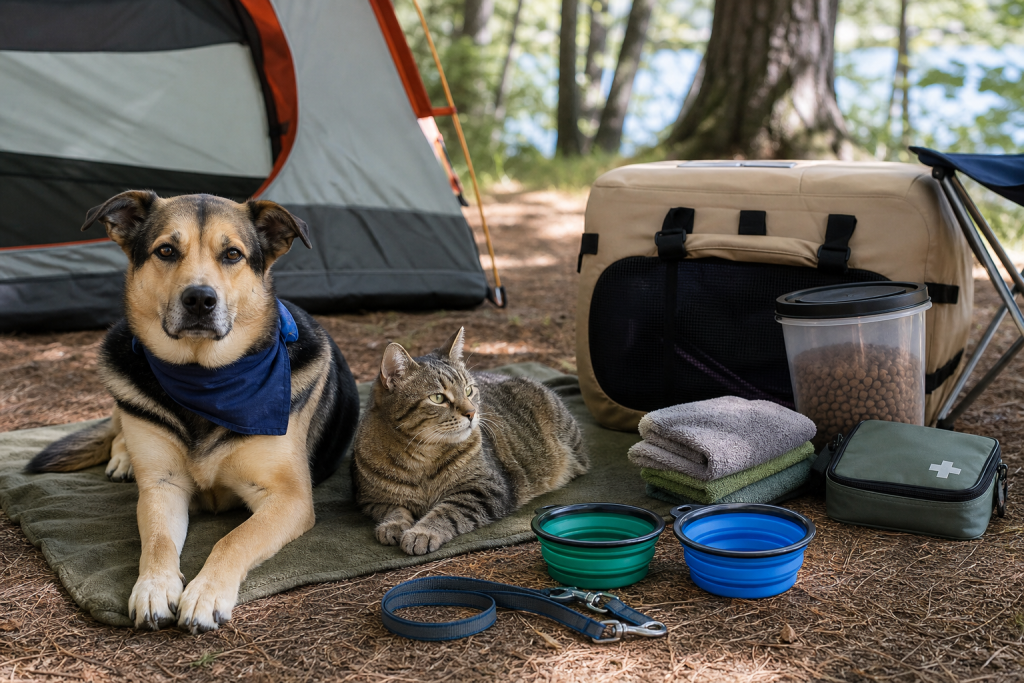
#camping with pets
#dog camping gear
#pet camping gear
#pet safety shopping
#pet travel supplies
A pet camping gear deal can waste money when it bundles cute outdoor extras but misses the basics that actually keep a dog or cat contained, fed and comfortable at a campsite. Before buying a kit, check the campsite rules, leash or carrier requirements, weather, tick risk, food storage and return terms. The cheapest bundle is not a deal if you still have to replace the bowl, add a real harness, buy a separate carrier or leave half the gear at home.
Camping with pets is getting fresh attention as summer trips, state-park stays and last-minute outdoor weekends continue into August. That makes pet camping bundles, portable bowls, tie-outs, LED collars, first-aid kits and travel litter boxes easy impulse buys. The smarter move is to build the kit backward from the place you are staying and the animal you are bringing.
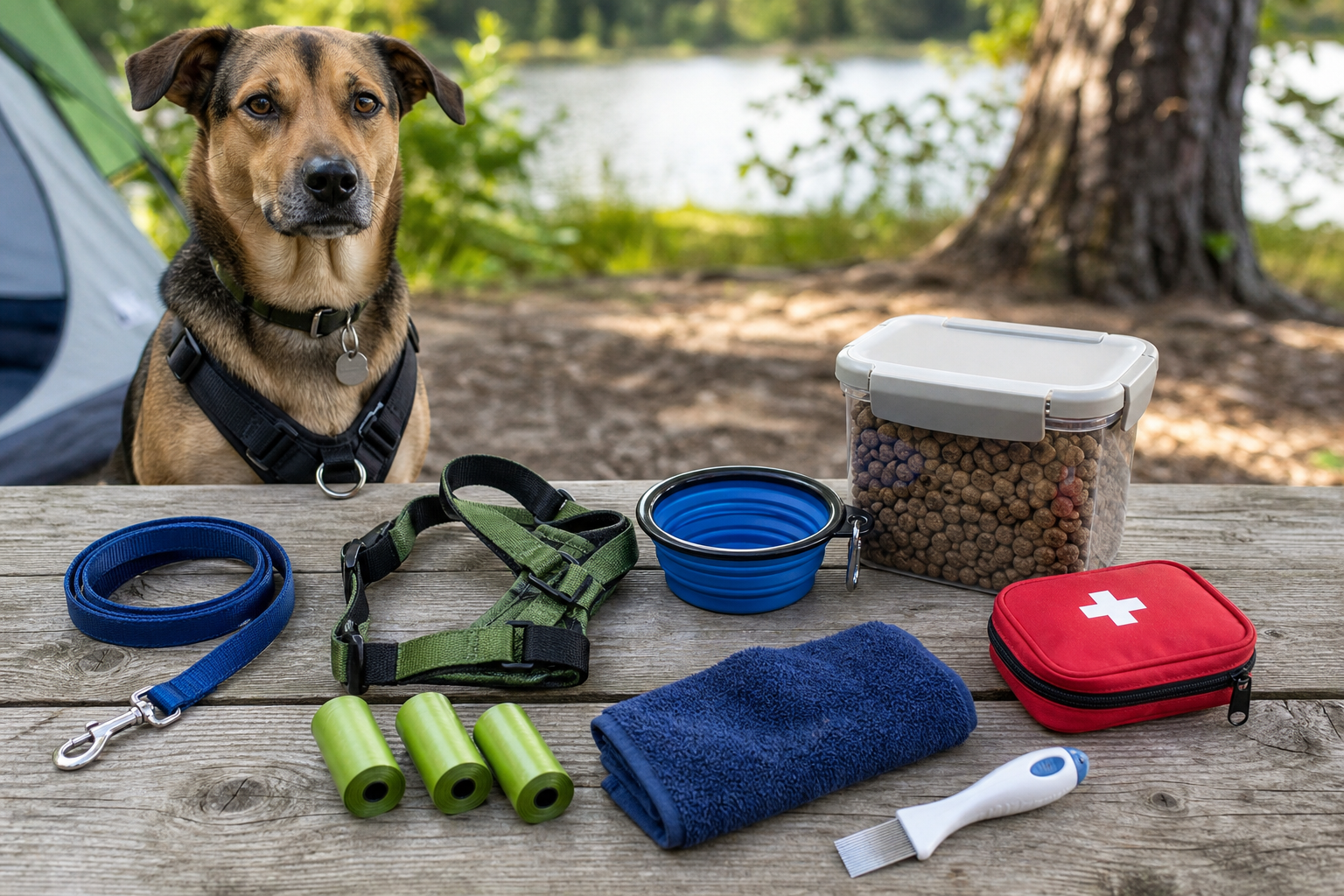
Why This Matters Now
A current shopping guide from SFGATE shows how broad the pet camping category has become, with products ranging from sleeping bags and trail leashes to first-aid kits, cat harnesses and portable litter boxes. That demand is useful for shoppers, but it also creates a trap: a list of clever gear can look more complete than it is.
Official guidance is more practical. The National Park Service tells campers to pack a pet’s food, water and bowls, keep up with required vaccinations and talk with a veterinarian about heartworm, flea and tick protection for the area. The CDC also notes that camping, dog walking and time in grassy or wooded areas can put people near ticks. For a shopper, that means the deal starts with rules and risk, not with the biggest accessory bundle.
The Checkout Test For A Pet Camping Bundle
Use this checklist before paying for a prebuilt kit, a big outdoor sale cart or a social-media camping haul.
- Containment: Check whether the campground requires a leash, crate, carrier or caged setup. A long tie-out is not useful if the site restricts where pets can be tethered.
- Carrier fit: Cats and small dogs need a carrier they already tolerate, not a flimsy camping-only tote bought the night before.
- Food storage: Buy a sealed food container that fits the trip length and campground wildlife rules. A zip bag inside a soft tote may not be enough.
- Water plan: A collapsible bowl is useful only if it is stable, washable and large enough for the pet. For warm weather, carry more water than the product photos imply.
- Tick and insect plan: Do not rely on a gadget, bandana or spray unless it is labeled for the species and your veterinarian agrees it fits your pet.
- Night visibility: If you buy an LED collar or light, check battery type, weather resistance and whether it can be seen from the angle your pet actually walks.
- Sleep and temperature: A pet sleeping bag, mat or shade product should match the expected overnight temperature, daytime heat and your pet’s normal sleeping habits.
- Waste and cleanup: Pack enough waste bags, towels and, for cats, a travel litter setup that cannot leak in the car or tent.
Deal And Coupon Checks Before You Pay
Pet camping gear often looks cheaper when it is sold as a bundle, but bundles can hide duplicates. If you already own a sturdy leash, washable towel and food container, a kit with weaker versions of those items may be less valuable than buying one good carrier or bowl separately.
Before using a coupon, compare the bundle against the individual items you would actually pack. Check whether the discount applies to all items, whether clearance gear is final sale and whether outdoor or travel items have a shorter return window once opened or used. Do not assume a coupon covers flea and tick products, prescriptions, GPS trackers or branded outdoor gear unless the retailer terms say so at checkout.
Shipping timing matters too. A bargain that arrives after the trip is not a bargain, and a last-minute replacement may cost more locally. If the trip is close, prioritize gear you can inspect early: harness clips, carrier zippers, bowl seams, light batteries and food-container seals.
What To Avoid
Avoid any camping kit that treats one product as a complete safety plan. A GPS tracker is not a leash. A cooling mat is not shade and water. A bug-repellent accessory is not the same as a veterinarian-approved parasite plan. A pet first-aid pouch is useful, but it does not replace knowing where the nearest veterinary clinic is near the campground.
Be especially careful with cat camping purchases. A cat harness, backpack carrier or pop-up playpen should be tested at home long before the trip. If a cat has never used a harness or travel litter box, a cheap camping bundle can create more escape risk and stress than convenience.
Food is another easy mistake. Pack the same food your pet already eats unless your veterinarian has recommended a change. Trail snacks, freeze-dried treats and human camping food can add calories or ingredients your pet is not used to. Keep food sealed and do not leave it outside the camping unit or vehicle where campground rules warn it can attract wildlife.
A Simple Buy-Before-You-Go List
For most dog or cat camping trips, the useful shopping list is shorter than a full outdoor haul:
- A properly fitted harness or leash system, plus a backup leash.
- A carrier or crate that your pet has practiced using.
- Food in a hard-sided sealed container and bowls that will not tip easily.
- Extra water, towels and waste cleanup supplies.
- Pet ID tags, current microchip registration details and a recent photo.
- A species-appropriate parasite plan discussed with your veterinarian.
- A small first-aid kit and the address of a nearby veterinary clinic.
- For cats, a leak-resistant travel litter box and familiar litter.
Quick Answers
Is a pet camping bundle worth it?
Sometimes, but only if the bundled items match the campground rules, your pet’s size and the weather. If two or three items are filler, buy separately.
Should I buy a pet sleeping bag?
Buy one only if it fits your pet’s size, the expected overnight temperature and your pet’s willingness to use it. A washable mat or familiar blanket may be more useful for some pets.
Can cats go camping?
Some cats can, but the shopping bar is higher. Test the carrier, harness, litter setup and containment plan at home first. Do not make the first trial a campsite.
What is the biggest checkout mistake?
Buying gear for the photo instead of the rules. Campsite leash rules, food storage, weather and containment decide what you need.
Sources
Sources last checked: August 8, 2026, 10:34 Europe/Rome.
- National Park Service, Camping with Pets
- CDC, Preventing Tick Bites
- Florida Disaster, Make a Pet Plan
- Hillsborough County, Storm-Ready Includes Planning for Your Pets This Hurricane Season
- Pennsylvania Department of Conservation and Natural Resources, Pets in Parks
- SFGATE, The best gear for camping with pets