
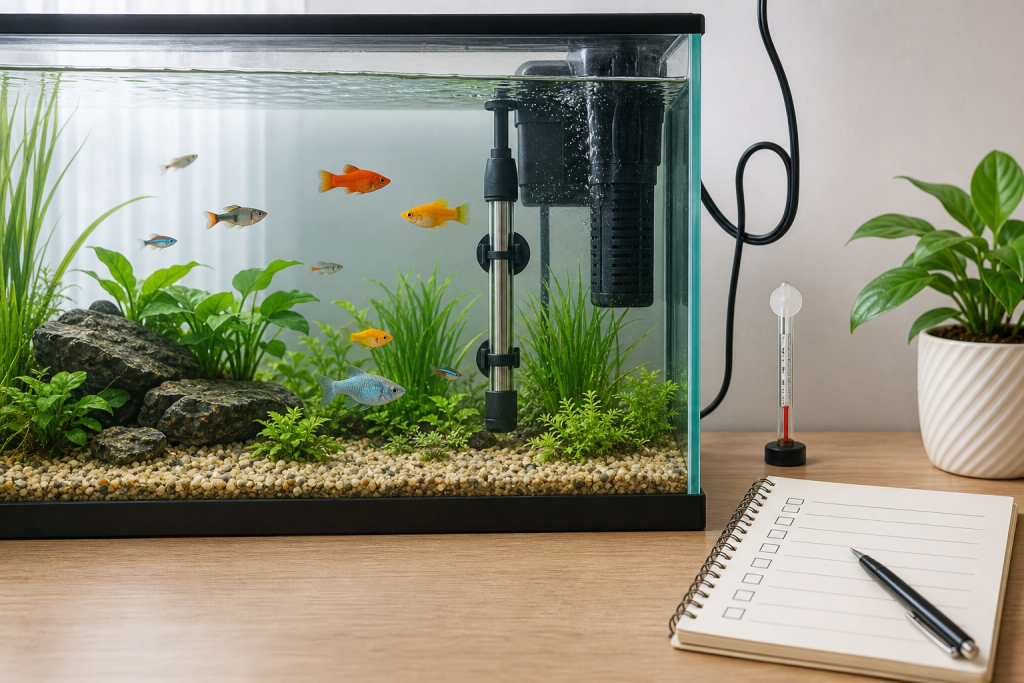
#aquarium heater deals
#aquarium supplies
#fish tank heater
#pet tech deals
A cheap aquarium heater can waste money when it is the wrong wattage, has no easy way to verify temperature, or comes from a listing you cannot return once the tank is running. The safer deal is not always the lowest price. Before checkout, match the heater to the tank size, buy a separate thermometer, check the return window and avoid treating a sale badge as proof that the equipment is reliable.
Aquarium heaters are easy to underestimate because they look like simple accessories. They are also one of the few pet supplies that can affect water temperature all day and all night. That makes the checkout decision more important than the discount.
Why aquarium heater deals matter now
Pet-tech and connected pet products are still expanding, and aquarium gear sits inside that broader trend of owners buying more sensors, controllers and automated equipment for home care. At the same time, basic heaters remain a high-demand pet-supply category on major marketplaces, where the listings can look similar even when wattage, thermostat design, warranty, seller support and safety documentation differ.
The current shopping risk is simple: a heater is usually bought when a tank is being set up, moved, upgraded or rescued from a room-temperature problem. That is exactly when a low price can win too quickly. A heater that is too small may run constantly, while an oversized or poorly monitored heater can make temperature swings harder to catch.
The checkout check most shoppers skip
Do the wattage math before comparing prices. Aqueon, an aquarium brand, gives a general rule of thumb of 5 watts per gallon for aquariums of 55 gallons or smaller, and 3 watts per gallon for aquariums over 60 gallons. That does not replace the heater maker’s instructions, but it gives you a quick way to spot a listing that is obviously underpowered for the tank.
Then add the items that make the heater verifiable. A separate thermometer is not a luxury add-on. Aqueon recommends regular temperature checks and placing the thermometer where it is easy to read and not distorted by direct sun, vents or other heat sources. If the heater deal only looks cheap because it leaves out the thermometer, suction cups, guard, controller, extension-safe cord planning or warranty support, the cart may not be cheap.
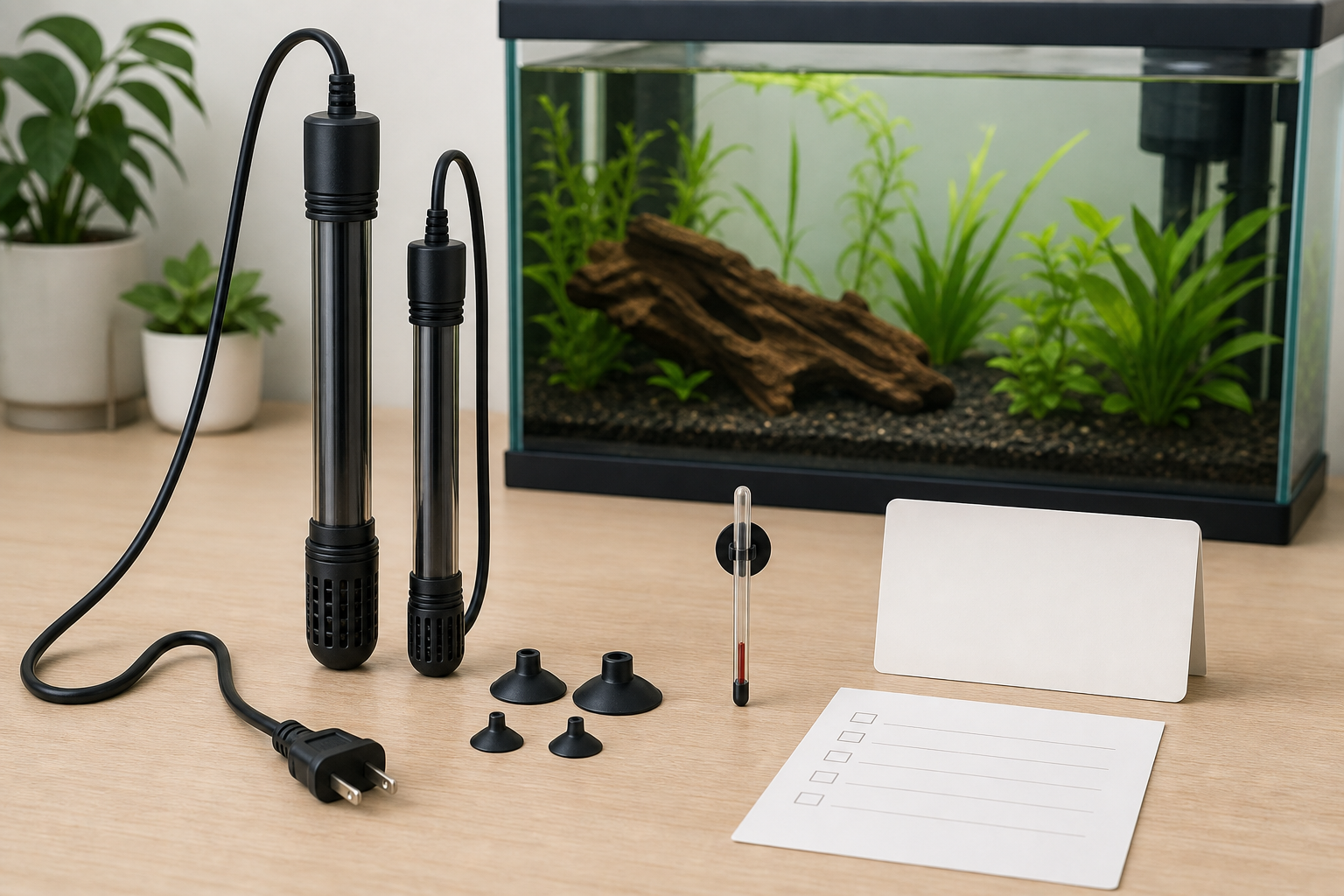
What to compare before buying
- Tank size and room temperature: check gallons, normal room temperature and whether the tank sits near a draft, outside wall, door or basement area.
- Adjustability: a preset heater may be convenient, but an adjustable model can be easier to match to species needs and room conditions.
- Independent reading: buy or keep a separate thermometer so you are not relying only on the heater dial or indicator light.
- Placement: look for instructions that allow safe positioning near water flow, with enough room around the heater for circulation.
- Condition checks: avoid used heaters with unknown age, cracks, mineral buildup, damaged cords or missing suction cups.
- Return terms: confirm whether opened aquarium equipment can be returned, who pays return shipping and whether marketplace sellers are covered by the same policy.
The deal and coupon part
For aquarium heaters, coupons are useful only after the safety and fit checks pass. PetSmart’s current promotional terms say select sale and online-price discounts require eligibility checks and may have exclusions, while quantities and delivery timing can vary. Chewy’s Autoship terms also show why subscription-style savings need a second look: first-order savings can have caps and exclusions, and future shipments still need to be managed.
That means the right checkout order is not “coupon first.” It is heater size, seller, return policy, warranty, thermometer, then coupon. If a discount pushes you toward a no-name marketplace listing with weak instructions, unclear electrical safety details or no usable return path, the cheaper cart is not the better cart.
What to avoid
Avoid buying an aquarium heater by wattage alone. A tank’s real needs depend on water volume, room conditions, fish species, water movement and where the heater can be placed. Avoid assuming the number on the dial is the water temperature, because the practical check is the thermometer reading in the tank.
Also avoid old recalled products in secondhand lots. CPSC recall records show that past aquarium-heater recalls involved serious hazards, including fire, electrical shock, overheating and broken tank glass. Those recalls are not evidence that every heater is unsafe, but they are a reminder to check model names, lot information, seller history and recall pages before buying used or clearance equipment.
Do not make abrupt temperature changes because a new heater arrived. Aqueon warns that sudden or dramatic changes can stress fish. If you are replacing equipment because fish appear unwell, water quality looks wrong or the tank temperature has already swung, treat the purchase as husbandry support and ask an aquarium professional or veterinarian with fish expertise when needed.
A practical aquarium heater shopping plan
Start by writing down the tank volume, species, current thermometer reading and usual room temperature. Then choose the heater range from the manufacturer instructions and cross-check the wattage against the general 5-watts-per-gallon rule for smaller tanks. For larger aquariums, compare whether two smaller heaters may offer better coverage than one large unit, especially if the manufacturer supports that setup.
Before you pay, read the instructions or product manual if the listing provides one. Look for the required orientation, minimum water line, cool-down instructions, cord guidance and whether the product has an indicator light. If the listing hides those details, that is a reason to slow down.
Finally, price the complete setup. A realistic cart may include the heater, thermometer, safe power placement, replacement suction cups, a controller or alarm for higher-value tanks, and a returnable seller. The winning deal is the one you can install, monitor and return if it is wrong for your tank.
Quick answers
Is the cheapest aquarium heater usually a good deal?
Not by itself. It is only a good deal if the wattage fits the tank, the instructions are clear, the seller is returnable and you have a separate way to verify water temperature.
Do I need a separate thermometer?
Yes, it is a smart checkout add-on. The heater setting is not the same thing as an independent tank reading.
Should I buy a used aquarium heater?
Be cautious. Skip used heaters with unknown age, cracks, cord damage, missing parts or model information you cannot check against recall records.
Can a coupon make a higher-priced heater worth it?
Sometimes, but only after the model, seller, warranty, return terms and tank fit are right. Do not let a coupon override basic equipment checks.
Sources
Sources last checked: August 8, 2026, 16:35 Europe/Rome.
- Aqueon, Fish Tank Heater Tips for Cold Weather.
- U.S. Consumer Product Safety Commission, Top Fin Plastic Aquarium Heaters Recalled by PetSmart.
- U.S. Consumer Product Safety Commission, Aquarium Heaters Recalled by United Pet Group Due to Fire and Laceration Hazards.
- Amazon, Best Sellers in Aquarium Heaters, used only as a current demand signal.
- Grand View Research, Pet Tech Products Market report, used as pet-tech market context.
- PetSmart, Promotional Terms.
- Chewy, Autoship & Save terms.