
#cone alternative
#dog recovery suit
#dog surgery suit
#pet recovery
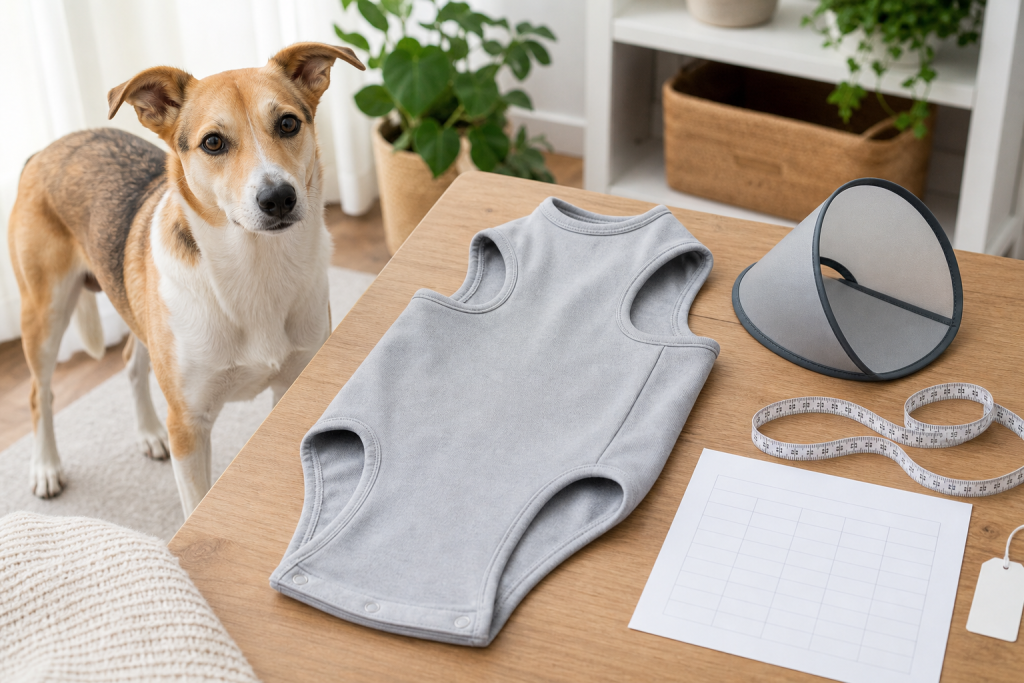
A recovery suit deal can fail if the fabric does not actually block the spot your dog is trying to lick, chew or scratch. The price only matters after your vet agrees that a suit is appropriate for your dog’s incision, skin issue or recovery plan. Before you buy, check the coverage area, size chart, bathroom access, wash instructions and return terms, because a loose or poorly placed suit can leave you buying a cone anyway.
Why this matters now
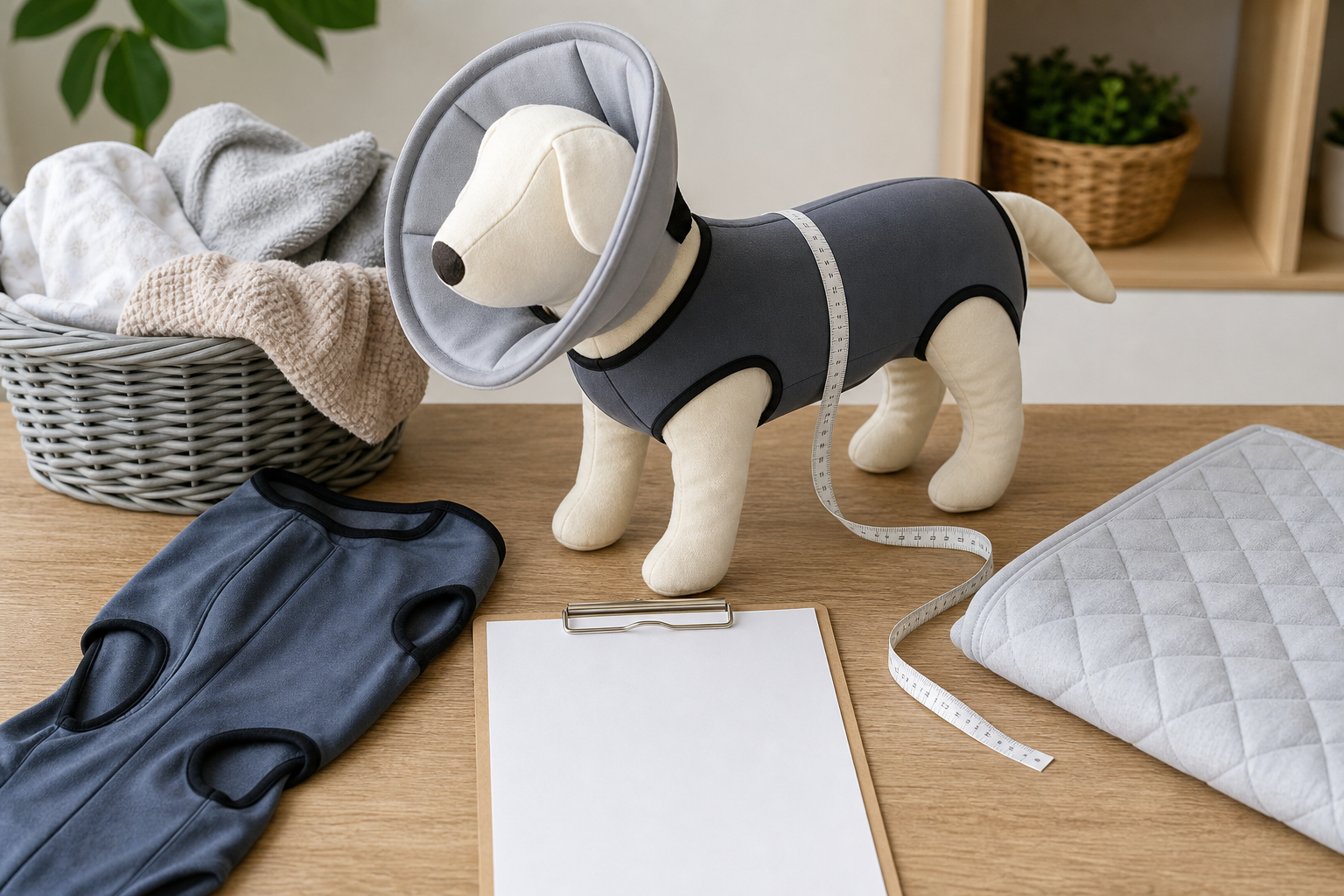
Recovery suits are easy to find in pet retail searches because many owners want a softer alternative to a rigid cone. That demand makes sense: a suit can be easier for some dogs to sleep in, and it may reduce rubbing from a plastic collar. But it is still a recovery device, not ordinary clothing, and it should not be used to override veterinary instructions.
The shopping trap is that listings often show calm dogs in tidy suits, while the real test happens at home. Can your dog reach the protected area through a leg opening? Does the fabric bunch when they curl up? Can they urinate without soaking the suit? If those details are wrong, the “cone alternative” can become a second purchase instead of a cheaper one.
The checkout check most owners skip
Start with the reason your dog needs protection. A torso suit may help cover some abdominal, side or back areas, but it will not protect every leg, tail, paw, ear or face problem. If your vet gave you a cone, collar or wound-protection instruction, ask whether a suit is acceptable before replacing it.
Then measure your dog while standing. Most suit makers ask for back length, chest girth and sometimes neck or waist measurements. Do not buy by breed name alone. Deep-chested dogs, long-backed dogs, chunky puppies and very fluffy dogs can fall outside the tidy size chart even when their weight looks right.
Look closely at the openings. A suit should be snug enough that your dog cannot slide a nose under the fabric, but not so tight that it rubs the armpits, groin, neck or tail base. If the listing shows adjustable closures, check whether they are positioned away from the recovery area and whether your dog can chew them.
What makes a recovery suit deal useful
A good deal is not just the lowest price. For a recovery suit, the better cart is usually the one that reduces sizing risk and cleanup problems.
- Clear measurement chart: back length and chest girth should be easy to match, not buried in image text.
- Real coverage map: the product should show which body areas it covers and which it does not.
- Washable fabric: recovery wear may need frequent washing, so check machine-wash instructions and drying limits.
- Bathroom design: verify how potty breaks work for male and female dogs, and whether the suit must be rolled, snapped or removed.
- Return window: fit uncertainty is high, so read whether opened, tried-on or washed recovery wear can be returned.
- Backup plan: keep the cone or collar available unless your vet says otherwise.
Deal and coupon checks before paying
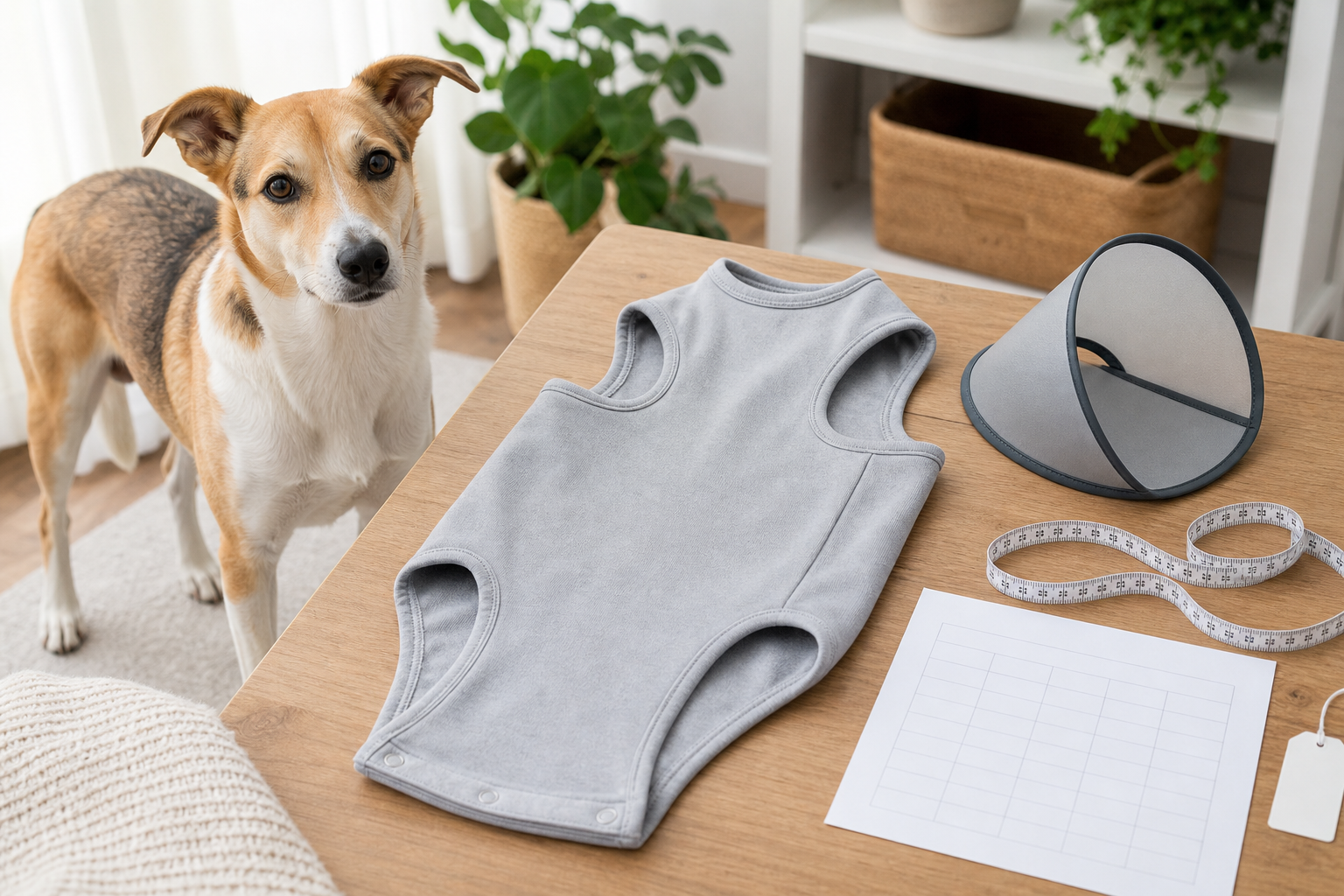
Recovery suits often look inexpensive until you account for sizing mistakes. If your dog is between sizes, compare the retailer’s exchange policy before you chase a coupon. A small discount is not helpful if the suit cannot be returned after a short try-on.
Check shipping speed only if the timing is honest. If surgery is already scheduled or your dog is already recovering, a slow marketplace shipment may not arrive when you need it. In that case, a local pickup option or a vet-recommended product may be worth more than a cheaper online listing.
Do not assume a coupon applies to every size or color. Pet apparel listings often show one sale price while the size you need costs more. Open the exact size, confirm the seller, check the final cart and save the return page before ordering.
What to avoid
Avoid any listing that implies a recovery suit can replace veterinary supervision for every wound or surgery. Fabric can slow access, but some dogs can still lick, chew or scratch through it. If your dog is highly determined, a cone, inflatable collar, crate rest or a different plan may still be needed.
Be careful with thick or poorly ventilated suits in hot weather. A recovery garment should not make a dog overheat, restrict normal movement or trap moisture against skin. If the fabric gets wet, dirty or stretched out, it may stop doing the job.
Also avoid buying a suit because it looks cute in photos. Recovery clothing needs to be functional first: secure, washable, correctly placed and acceptable to your vet. If it interferes with checking the incision or skin, it can create the wrong kind of convenience.
Quick answers
Can a recovery suit replace a cone?
Sometimes, but only when your vet says the protected area and your dog’s behavior make it appropriate. Some dogs can still reach a site through or around fabric.
Should I size up for comfort?
Not automatically. A loose suit can shift and expose the area you are trying to protect. Use the maker’s chart and check fit while your dog stands, sits and lies down.
Is one suit enough?
Maybe for a short recovery, but frequent washing can make a second suit useful. Compare the cost of a two-pack with the return policy before buying extra.
What if my dog hates wearing it?
Stop and ask your vet what to use instead. Do not leave a distressed dog unattended in recovery wear that they are trying to chew, twist or remove.
Sources
- VCA Animal Hospitals, Elizabethan Collars in Dogs.
- Suitical, Recovery Suit for Dogs sizing and fit guidance.
- VetMedWear, VetMedWear Suit features and sizing information.
- PetSmart, dog recovery suit product and size information.
- FDA, Animal & Veterinary Recalls and Withdrawals, checked during topic selection.
Sources last checked: August 12, 2026, 10:37 CEST, Europe/Rome.