
#cat tracker
#dog tracker
#GPS pet tracker
#pet tech privacy
#smart pet devices
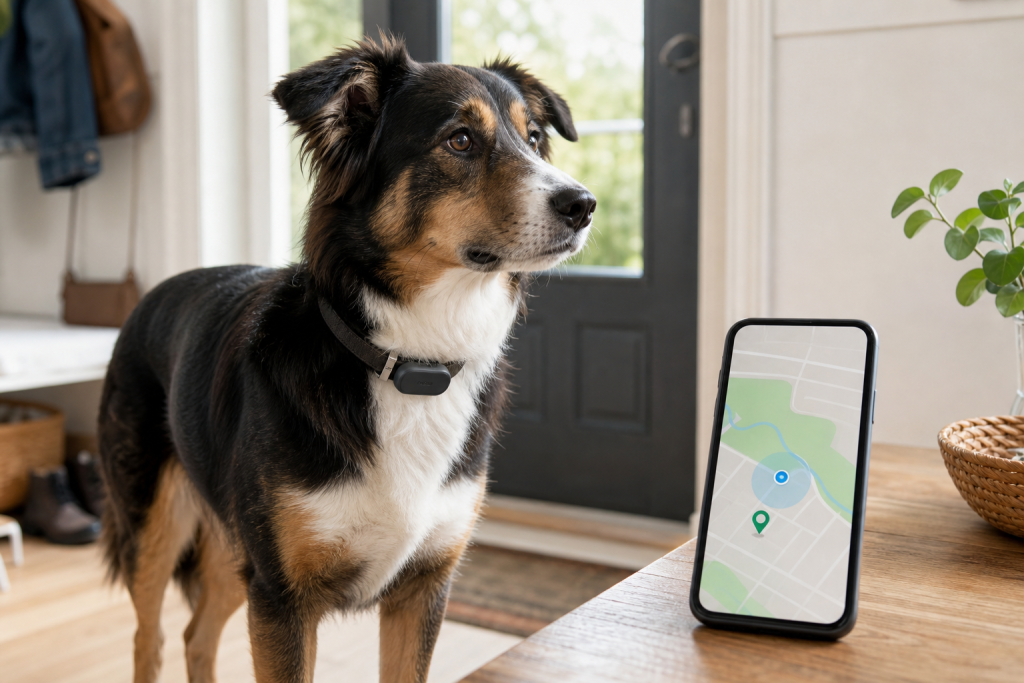
A cheap GPS pet tracker can look like a smart deal until you check who runs the app and cloud service behind it. Recent security reporting on low-cost GPS devices is not a pet-product recall, but it is a useful warning for dog and cat owners shopping unfamiliar tracker brands. Before you pay, verify the tracker’s app, update policy, subscription terms, account controls and return window, not just the device price.
Why this matters now
Pet owners are already trained to compare tracker prices, monthly fees and battery life. The newer risk is quieter: a bargain tracker may depend on a poorly supported app or a shared backend platform that the shopper cannot easily see from the product photo.
WIRED reported in August 2026 that researchers demonstrated serious weaknesses in low-cost GPS-enabled gadgets, including devices using shared platforms such as SETracker, SinoTrack and NewGPS2012. The reporting centered on children’s smartwatches and other GPS devices, not a named pet tracker recall. The shopping lesson still matters for pet owners because many cheap trackers are sold on the same promise, real-time location for less money, with the real service hidden inside the companion app.
The hidden part of a tracker deal
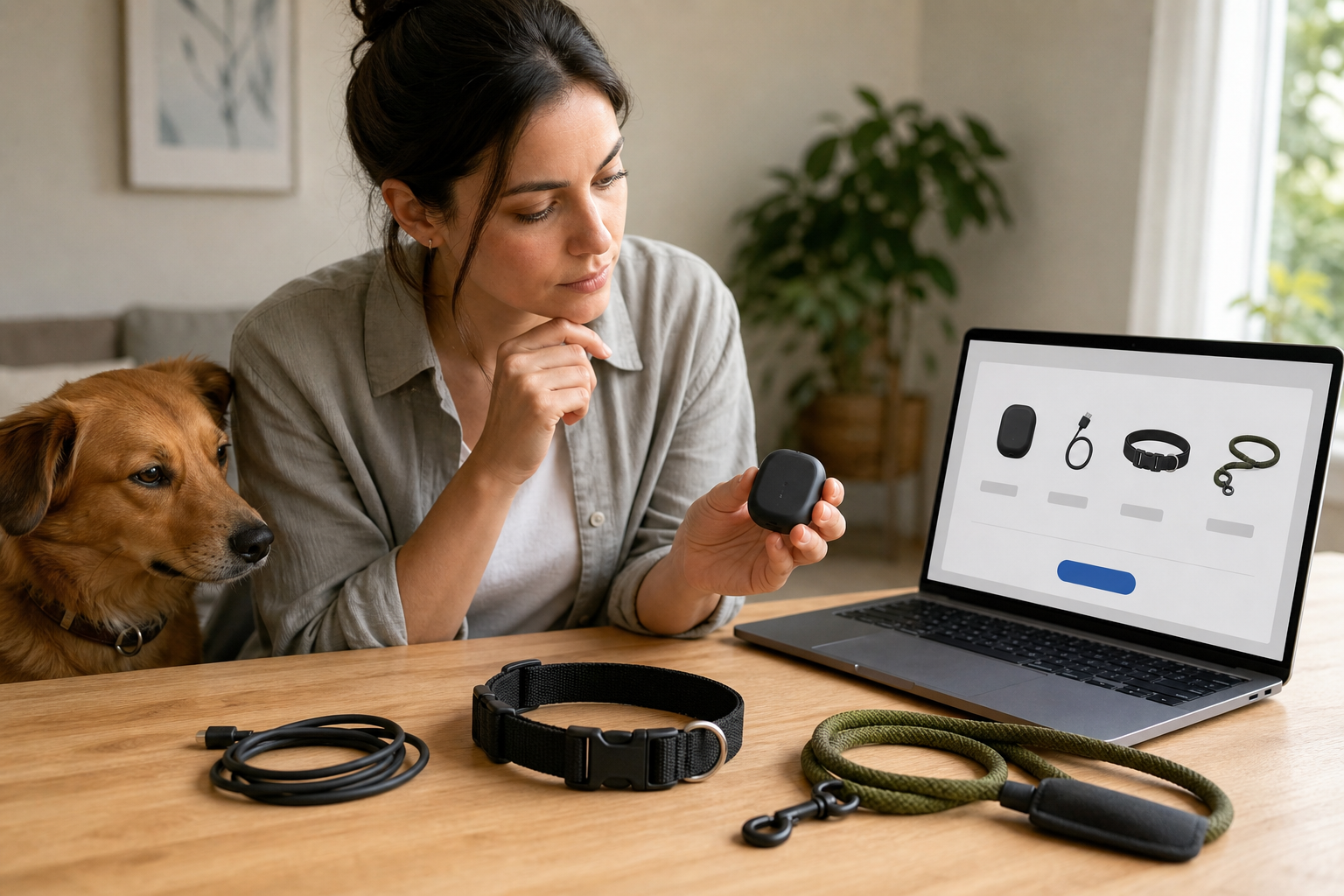
The tracker on the collar is only one part of the purchase. The app, cloud account, cellular network, firmware updates and customer support are what make the location feature useful. If any of those pieces are weak, the device can become less reliable, less private or harder to return than the product listing suggests.
This is why “no monthly fee” or a very low upfront price should not end the comparison. A Bluetooth tag, a cellular GPS tracker and a camera-equipped smart collar do different jobs. Some need a SIM or service plan, some work only near compatible phones, and some collect more household and movement data than owners expect.
What to check before buying
Start with the app name before the hardware name. Search the app store listing, developer name, update history, privacy label and recent reviews. A product that changes brand names across marketplaces but points to a vague app is harder to evaluate than a tracker with clear manufacturer support.
Check whether the device uses live GPS, Bluetooth proximity, a crowdsourced finding network or a mix of those systems. A low price can be fine if the limitation is clear. It becomes a poor deal when the listing implies live tracking but the device only works when another compatible phone passes nearby.
Read the subscription page before checkout. Look for monthly and annual prices, cancellation rules, roaming limits, location-history storage and whether a refund is available if coverage is poor where your pet actually goes. For dogs that hike, roam rural areas or visit kennels, cellular coverage may matter more than a launch discount.
Look for basic security controls. The account should support a strong password, preferably two-factor authentication, clear device reset steps and a way to remove old owners if you buy used. If the app cannot explain how to delete your account, unlink a tracker or remove location history, that is part of the cost.
Deal and coupon checks
A tracker discount is only useful if it applies to the full setup you need. Check whether the sale price includes the collar attachment, charger, replacement clip, SIM plan, warranty and first month of service. Some cheap bundles become expensive when the proprietary clip breaks or the service plan starts after the return window.
Do not assume a marketplace coupon means the seller is the manufacturer. Verify the sold-by name, return address and warranty contact. If the listing is from a third-party seller, make sure the manufacturer will still support that unit and that the app region matches your country.
For used trackers, confirm that the previous owner can remove the device from their account before you pay. A locked tracker can look perfect in photos and still be useless when you try to pair it.
What to avoid
Avoid listings that promise “GPS” but never explain whether tracking is cellular, Bluetooth or app-network based. Avoid unknown brands that advertise live tracking but hide the app name until after purchase. Avoid devices with cameras or microphones unless you have a clear reason to use those features and trust the app controls.
Be cautious with products that copy familiar tracker language while offering no support page, no firmware-update history and no plain privacy policy. A cheap tracker is not automatically unsafe, but a mystery tracker is hard to judge. If you cannot identify who receives your pet’s location data, choose a clearer option or skip the deal.
When a cheaper tracker still makes sense
A lower-cost tracker can be reasonable if the limits match your use. A Bluetooth tag may be enough for a cat that hides indoors or a dog that stays in dense urban areas. A full GPS tracker may be worth the subscription for escape-prone dogs, rural properties or travel.
The key is to buy for the actual risk. Do not pay for health dashboards, cameras or long location histories if you only need a backup locator. Do not choose a bare-bones tag if you need live updates far from home. The best deal is the one where the technology matches the way your pet can actually get lost.
Quick answers
Does this mean GPS pet trackers are unsafe?
No. The recent reporting is a reminder to check app security and support, not a blanket warning against pet trackers. Reliable trackers can be useful when owners understand coverage, fees and privacy settings.
Should I avoid every no-name tracker?
You do not need to reject every unfamiliar brand automatically, but you should be stricter. If you cannot verify the app developer, support policy, update history and return terms, the low price is carrying extra risk.
Is an AirTag-style device the same as GPS?
No. Bluetooth and crowdsourced finding-network tags are different from cellular GPS trackers. They can help in some situations, but they should not be marketed or treated as always-on live GPS.
What should I ask before buying a tracker on sale?
Ask what network it uses, whether a subscription is required, how long the battery lasts in real use, how to delete or transfer the account, whether replacement clips are available and whether the return window is long enough to test coverage.
Sources
Sources last checked: August 13, 2026, 22:34 CEST, Europe/Rome.