
#cat litter box
#kitten starter kit
#new kitten supplies
#pet supply deals
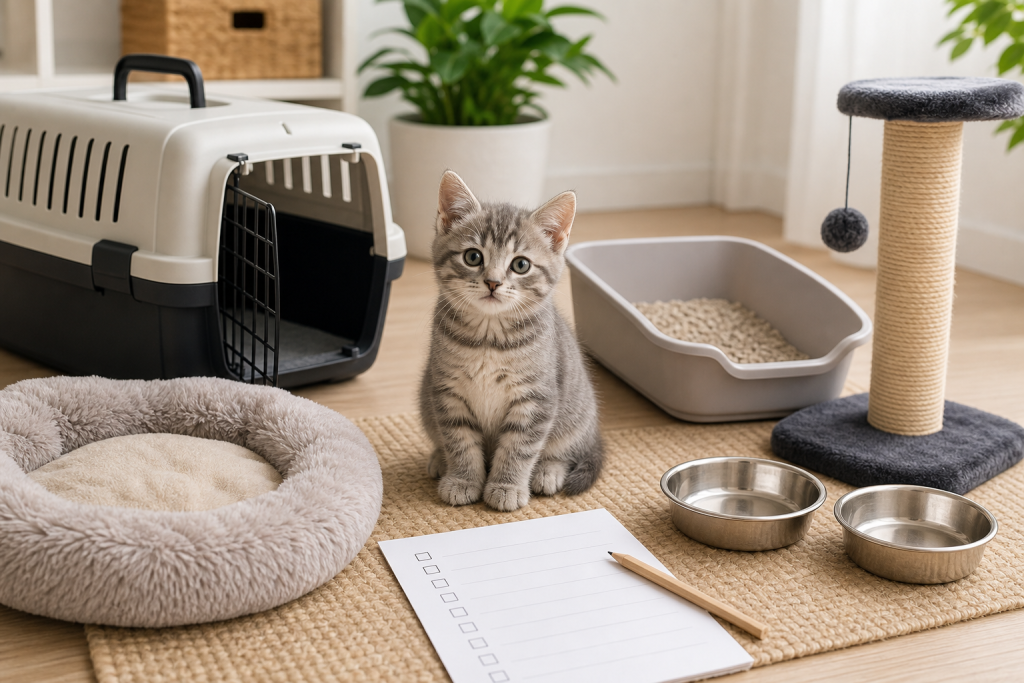
A new kitten starter-kit deal can waste money if the bundle looks complete but skips the setup pieces your kitten will use first: a low-entry litter box, familiar food, a secure carrier, bowls, a scratcher and a quiet starter room. The right kit is not the one with the most cute add-ons. It is the one that helps your kitten eat, hide, scratch, use the box and get to the vet without a second emergency cart.
This matters now because kitten-supply lists are showing up heavily in current cat-shopping coverage, and retailers make it easy to add toys, automatic gadgets and decorative cat furniture before the basics are covered. Those extras can be useful later, but a first-week kitten cart should be boring in the right places. Check the practical items before you let a sale bundle decide what your home needs.
Why This Matters Now
Recent cat-supply coverage has focused on kitten essentials, litter messes, toys and home setup, which is a fair signal that new cat owners are building carts right now. The problem is that many starter bundles are built for shelf appeal. They may include toys and bowls, but leave out the second litter box, the right carrier, the scratcher style your kitten can actually use or the food transition plan.
Reliable cat-care sources point to the same basic pattern: kittens need a clean, accessible litter box, proper food, safe transport, scratching options, toys, resting places and a calm introduction to the home. That does not mean every item has to be premium. It does mean a cheap bundle can become expensive if you have to replace half of it during the first week.
The Starter-Kit Checks That Matter
Start with the litter setup. For a small kitten, a low-entry box is often more practical than a tall or covered box that looks neater to humans. If your home has more than one floor, plan for access where the kitten actually spends time, not just where the box looks tidy.
Next, check food continuity. A starter kit that includes random food is not automatically useful if your kitten is already eating a different product at the shelter, breeder or foster home. A sudden switch can create avoidable mess and worry. Buy enough of the current food for a gradual transition, and ask your veterinarian about the right kitten diet if you are unsure.
The carrier is not optional. A soft-looking bed or toy may feel more exciting, but a secure carrier is what gets your kitten home, to early vet appointments and out of the house if there is an emergency. Check door latches, ventilation, cleaning access and whether the carrier will still fit when your kitten grows.
Scratching gear should also be in the first cart. A tiny decorative scratch pad may not save furniture if it slides around or does not let the kitten stretch. Look for stable scratchers, and consider one vertical and one horizontal option if the budget allows.
What To Buy Before The Cute Extras
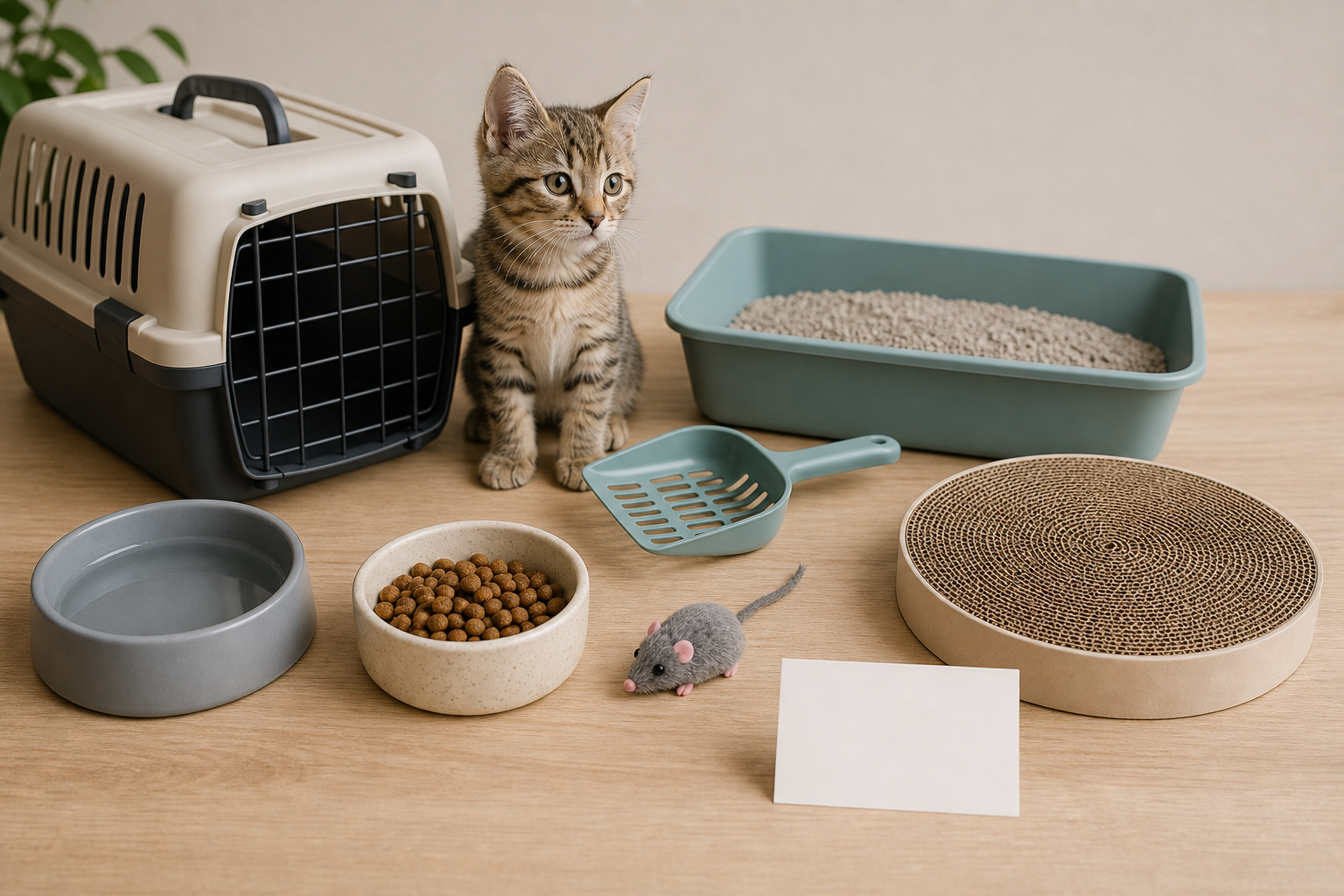
A practical first-week cart should cover five jobs: bathroom, feeding, transport, scratching and decompression. That usually means a litter box, litter, scoop, food, water bowl, food bowl, carrier, scratcher, a few safe toys, a simple bed or blanket and cleaning supplies.
For the starter room, keep food and water away from the litter box. Give the kitten a hiding place and keep the setup simple enough to clean. If you already have other pets, do not assume a bundle with shared bowls or a single litter box solves the introduction period.
Optional items can wait. Automatic toys, cat trees, cameras, fountains, treat puzzles and decorative beds may be worth buying once you know your kitten’s habits. Buying them before the basics can leave you with a prettier cart but a weaker first-week setup.
Deal And Coupon Details To Verify
Bundle discounts deserve a line-by-line check. Confirm whether every item in the photo is included, whether colors or sizes vary by stock and whether the litter box or carrier dimensions are listed clearly. A kit that hides dimensions is a risky buy for growing kittens.
Check return terms before opening everything. Some retailers allow generous returns, but used litter boxes, opened food, assembled scratchers or missing packaging can create limits. If the bundle ships in multiple boxes, confirm whether each item has its own return path.
Do not treat a coupon as proof that the bundle is complete. Compare the kit against a short essentials list first, then compare the price against buying the missing basics separately. A discounted bundle is not a deal if it pushes you into a second order with shipping fees.
What To Avoid
Avoid starter kits that lead with novelty toys but skip the carrier, scoop or scratcher. Those are not glamorous purchases, but they are the items that prevent common first-week problems.
Avoid scented litter or sudden litter changes just because they are included in the bundle. Many cats prefer consistency, and a kitten learning a new home does not need extra changes at the same time. If you change litter, do it gradually or offer a separate tray when practical.
Avoid making health decisions from a starter-kit listing. Flea, tick, worming, supplements and diet choices should match your kitten’s age, weight, health and veterinary guidance. A shopping article can help you check the cart, but it cannot replace your vet’s advice.
Quick Answers
Is a kitten starter kit worth it?
It can be, if the kit covers real first-week needs and the sizes are clear. If it mostly contains toys and decorative items, build your own cart instead.
What is the first thing to check?
Check the litter setup and carrier. Those are the items that are hardest to improvise safely after the kitten is already home.
Should I buy an automatic litter box for a kitten?
Usually not as the first box. Many kittens do better with a simple, accessible litter box while they learn the home and routine.
What should wait until later?
Large cat trees, app-connected toys, fountains and extra beds can wait until you know where your kitten eats, rests, scratches and plays.
Sources
- ASPCA, general cat care and litter box placement guidance, ASPCA.
- Chewy, new kitten checklist and essential supply categories, Chewy.
- Humane World for Animals, litter training and litter box count guidance, Humane World.
- International Cat Care, cat-friendly home resource placement guidance, International Cat Care.
- People, current kitten and cat-supply shopping signal, People.
- PetSmart, new cat checklist and starter-room setup context, PetSmart.
Sources last checked: August 15, 2026, 04:34 CEST, Europe/Rome.