
#cat beds
#cat cave bed
#cat furniture
#pet supply deals
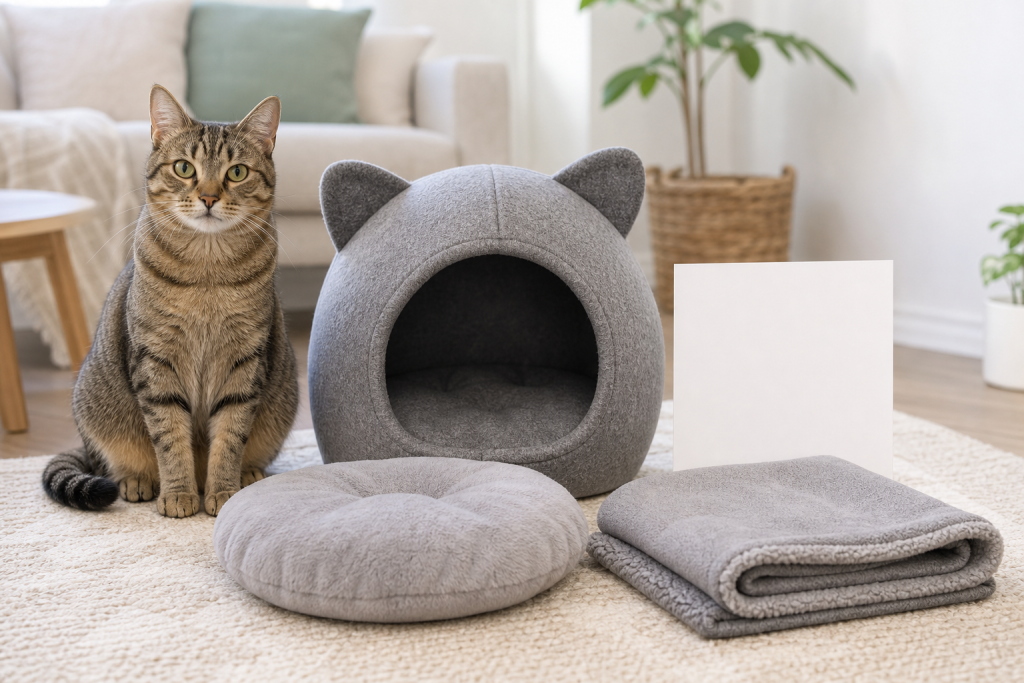
A cat cave bed is not automatically a better bed just because it looks cozy. The deal is worth considering only if your cat can enter easily, turn around, stay cool enough, and use the cushion after repeated washing. If the opening is cramped, the fabric traps odor, or the return window is too short, the cheapest cave can become another ignored piece of cat furniture.
Cat cave beds are getting fresh attention because cat owners are shopping for indoor enrichment, kitten setup items, and better-looking pet furniture. That makes sense: many cats like a private sleeping or hiding spot, and reliable animal welfare sources recommend clean, dry rest areas and accessible hiding places. The mistake is buying the cutest covered bed before checking whether it works for your actual cat and your actual cleaning routine.
Why This Deal Looks Better Than It May Be
A cave bed solves a real problem when it gives a cat a quiet place to retreat without disappearing under the bed, behind appliances, or inside a closet. ASPCA guidance says cats should have a clean, dry place to sleep and rest, with bedding washed often. International Cat Care also describes hiding places as part of a setup that helps cats feel safer in unfamiliar or stressful situations.
That does not mean every covered bed is a good buy. Some cave beds are too small for adult cats, too warm for summer rooms, too flimsy to hold their shape, or too awkward to clean. Others are marketed for anxious cats but are really just decorative fabric boxes with a cushion that slides out, pills after a few washes, or traps hair in seams.
The useful question is not whether a cat cave is cute. It is whether your cat would choose it when there is a cardboard box, sunny windowsill, sofa corner, or open bed nearby.
The Entrance Check Most Shoppers Skip
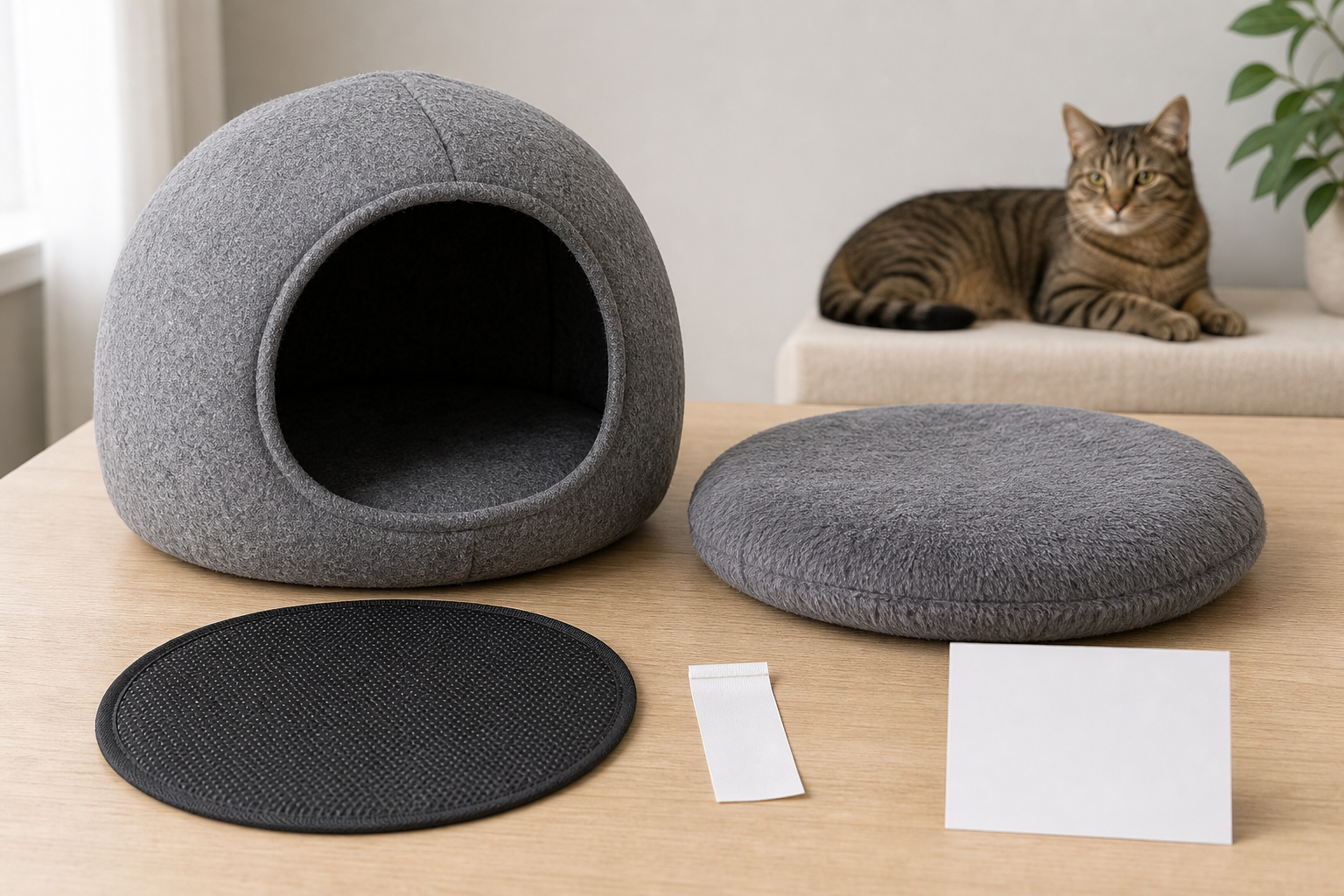
Before buying, measure the entrance, not just the outer dimensions. A cat needs to step in without squeezing whiskers, shoulders, or hips through a tight opening. Large cats, senior cats, long-haired cats, and cats recovering confidence in a new home may reject a cave that feels like a trap.
Look for three things on the product page:
- the entrance width and height, not only the total bed size;
- an inside cushion size that matches your cat’s curled sleeping size;
- a shape that stays open instead of collapsing over the doorway.
If the listing only says “large” or “for cats up to 20 pounds,” be skeptical. Weight limits do not tell you whether the doorway fits your cat’s build. A long, lean cat and a compact, broad cat may need different openings.
Washability Is Where Cheap Beds Get Expensive
Cat beds collect hair, dander, food crumbs, litter dust and odor. A bargain cave bed becomes less useful if the cushion is washable but the shell is spot-clean only, or if the fabric loses structure after cleaning. ASPCA’s basic cat-care guidance specifically points to washing cat bedding often, so the cleaning instructions are not a small detail.
At checkout, check whether the cushion is removable, whether the cover zips off, and whether the bed can be machine washed. If it is wool felt, sherpa, foam, or a stiff collapsible cube, read the care instructions before the discount convinces you. Hand-wash-only is not always a dealbreaker, but it is a dealbreaker for owners who know they will not keep up with it.
Also check the base. A non-slip bottom is useful on tile or wood floors, but some anti-slip dots wear off or shed after washing. If the cave slides when your cat steps in, the bed may be abandoned quickly.
Where to Put It Before You Blame the Bed
A cat cave is not magic. Placement often decides whether the bed works. Cats Protection promotes the idea of a bed that also gives cats a place to hide and rest, but a hideaway still needs to be placed where the cat wants security, warmth, and escape options.
Start near a place your cat already chooses, such as a quiet corner of the living room, a bedroom wall, or beside a favorite chair. Avoid trapping the cave against a loud appliance, busy doorway, litter box, or food bowl if your cat already avoids those spots. A cave that faces the room lets many cats watch what is happening while still feeling partly hidden.
For new kittens or newly adopted cats, a cave bed can work well inside a starter room. For confident adult cats, it may work better as one option among several beds and scratchers. If your cat likes elevated spaces, a floor cave may lose to a window perch or cat tree.
Deal and Coupon Checks Before You Pay
Do not judge the deal by the sale badge alone. Check the final cart price after shipping, oversize fees, marketplace seller terms, and return shipping. A bulky cave bed that costs money to return may be a risky first try if your cat has never used covered beds.
Look for these checkout details:
- whether the seller accepts opened pet beds back after a short indoor trial;
- whether return shipping is deducted from the refund;
- whether the cushion or cover has replacement parts;
- whether the bed is sold by the retailer or by a marketplace seller with different terms;
- whether the discount applies only after a minimum cart size you were not planning to meet.
If the listing uses phrases like “anxiety relief,” “calming,” or “stress-free,” treat them as marketing unless the seller explains the design in practical terms: covered shape, stable entrance, quiet placement, washable cushion, and enough room for the cat to choose it voluntarily. Do not buy a bed as a substitute for veterinary advice if your cat suddenly hides more, stops eating, changes litter habits, or seems painful.
What to Avoid
Avoid cave beds with dangling decorations, loose threads, exposed zippers, strong chemical odors, or glued-on parts your cat can chew. Skip beds that do not disclose materials or cleaning instructions. Be careful with very deep, soft donut-cave shapes for senior cats if stepping in and out looks awkward.
Do not force your cat into the cave. Put a familiar towel or small blanket inside, leave the entrance open, and let the cat discover it. If your cat only uses the cushion outside the shell, that is useful information for the next purchase: an open bed may be the better deal.
Quick Answers
Are cat cave beds worth it?
They can be worth it for cats that like covered, quiet spaces, but only if the cave fits, stays open, and can be cleaned easily.
What size cat cave should I buy?
Use the inside sleeping area and entrance measurements, not just the product name. Your cat should be able to step in, turn around, and curl up without squeezing.
Is a wool cat cave better than a fabric cube?
Not automatically. Wool felt can hold its shape and look good, but cleaning may be more limited. A fabric cube may be easier to fold or wash, but it can collapse or wear faster.
Should I buy one for a new cat?
Yes, if it is part of a quiet starter-room setup and the return terms are reasonable. Give the cat other hiding options too, because some cats prefer boxes, open beds, or high perches.
Sources
Sources last checked: August 15, 2026, 07:35 CEST, Europe/Rome.
- ASPCA, General Cat Care, https://www.aspca.org/pet-care/cat-care/general-cat-care
- ASPCApro, Hiding Places Mean Happier Cats, https://www.aspcapro.org/resource/hiding-places-mean-happier-cats
- International Cat Care, Pen and Cage Setup, https://icatcare.org/articles/pen-and-cage-setup
- Cats Protection, Hide & Sleep, https://www.cats.org.uk/help-and-advice/home-and-environment/hide-and-sleep
- Amazon Best Sellers, Cat Beds, https://www.amazon.com/Best-Sellers-Cat-Beds/zgbs/pet-supplies/3024128011