
#cat grooming
#dog grooming
#medicated pet shampoo
#pet shampoo labels
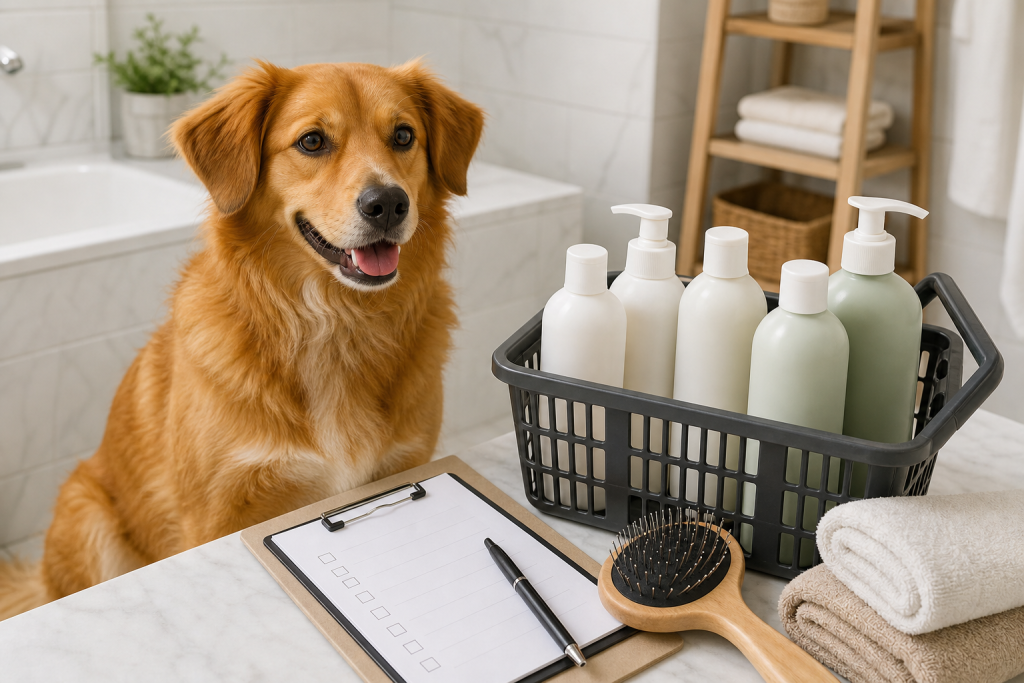
A medicated pet shampoo deal is only useful if the active ingredient, species label and contact-time directions match what your vet actually wants you to use. Shoppers often compare these bottles like ordinary grooming shampoo, but many are sold for specific skin or coat problems and can carry warnings that matter for cats, puppies, kittens or irritated skin. Before checkout, read the label like a medication label, not like a scent choice.
This matters now because medicated and problem-skin shampoos keep showing up in pet-shopping searches and new-release surfaces, while summer itching, fleas, allergies and bath-day routines push owners toward faster fixes. A sale badge can make a bottle look low risk, but the wrong formula can waste money, miss the real problem or make a vet visit harder to interpret later.
Why This Shampoo Deal Is Different
Regular pet shampoo is usually a grooming product. Medicated shampoo is different because the selling point is often a therapeutic claim, an active ingredient or a use case such as itchy skin, yeast, scaling, odor tied to skin problems or parasite support. The FDA says it regulates medicated animal shampoos when they are intended for a therapeutic purpose, while cosmetic grooming shampoos are treated differently.
That distinction should change how you shop. A bottle with ketoconazole, chlorhexidine, miconazole, salicylic acid, benzoyl peroxide or flea-and-tick ingredients is not just a nicer-smelling bath product. It may have directions about species, age, skin condition, contact time, rinsing, eye and ear avoidance, and whether to ask a veterinarian first.
The Ingredient Name Is Not Enough
Ingredient shopping can be useful, but it is incomplete. Two shampoos can share a familiar active ingredient and still differ in concentration, species labeling, directions, scent, residue, bottle size, return eligibility and whether the product is meant for dogs, cats or both. A shampoo that looks like a bargain by bottle size can be a poor choice if the label is wrong for your pet or if you cannot safely complete the full bath routine.
Contact time is one of the easiest details to miss. VCA Hospitals notes that medicated shampoos are selected for specific skin conditions and should be used according to veterinary instructions. Some topical products need time on the affected area before rinsing or before the pet grooms, which means the real question is not only “what’s in it?” but “can I use it exactly as directed with this pet?”
That is especially important for cats and small pets. Do not assume a dog-labeled shampoo is fine for a cat because the bottle looks gentle or because the listing title mentions pets in general. The FDA gives the same basic warning for flea and tick products: match the product to the animal’s species, life stage and weight class, and do not use a dog product on a cat unless the label allows it.
Checkout Checks Before You Pay
Start with the problem you are trying to solve. If your pet has persistent itching, hair loss, sores, hot spots, strong skin odor, recurring ear or skin trouble, or a rash that keeps coming back, the smartest purchase may be a vet appointment before another bottle. A shampoo can support a plan, but it should not become a do-it-yourself diagnosis.
- Check whether the label says dog, cat, puppy, kitten or multi-species use, and do not rely only on marketplace title wording.
- Read the active ingredients and the purpose claim together. “Antifungal,” “antibacterial,” “flea,” “itch relief” and “deodorizing” are not interchangeable.
- Look for contact-time and rinse directions before you buy. If your pet cannot tolerate that routine, the discount is less useful.
- Check warnings for irritated skin, open wounds, eyes, ears, pregnancy, young animals and cats.
- Compare cost per ounce or milliliter, not just bottle price. A gallon can be wasteful if your vet may change the product after one visit.
- For Autoship or subscribe-and-save offers, make sure you will use the shampoo at the recommended interval before the next bottle arrives.
- Confirm return rules before opening, because grooming and health-adjacent products may not feel risk-free once used.
When a Coupon Does Not Make It a Better Buy
Medicated shampoo is a bad place to chase a coupon first and read the directions later. A promotion can still be useful if the product is already the one your vet recommended, the label matches your pet and the bottle size fits the treatment plan. It is less useful when the discount pushes you toward a stronger claim, a larger bottle or an Autoship schedule you did not need.
Be careful with marketplace bundles, too. Two-pack deals can look cheaper per ounce, but they can also lock you into a formula before you know whether your pet tolerates it. If a product is being bought because of a new symptom, buy the smallest sensible amount until you know it fits the plan.
What to Avoid
Avoid buying by before-and-after photos, dramatic itch claims or review comments that sound like medical proof. Skin problems can look similar while having different causes, including allergies, parasites, infections, grooming residue, diet changes or environmental triggers. A shampoo that helped one pet may be wrong for another.
Also avoid human dandruff shampoo, essential-oil-heavy products and dog-only products for cats unless a veterinarian specifically tells you otherwise. DailyMed label examples for animal shampoos show why this matters: some products include warnings such as external use only, avoiding eyes and ear canals, not using on cats or kittens, and asking a veterinarian when dermatitis or open wounds cover a large area.
Finally, do not use a medicated shampoo to delay care if your pet seems painful, very itchy, lethargic, feverish, swollen, bleeding, losing hair quickly or developing spreading lesions. This article is shopping guidance, not a diagnosis. Ask your vet which product, if any, belongs in the cart.
Quick Answers
Can I buy medicated pet shampoo without a vet?
Some products are sold over the counter, but that does not mean every formula fits every pet. If the shampoo is for itching, infection signs, parasites, hair loss or recurring skin odor, ask your vet before treating the symptom yourself.
Is ketoconazole shampoo automatically better?
No. Ketoconazole is an antifungal ingredient, but the right choice depends on the pet, the suspected problem, the full formula, directions and veterinary guidance. Do not buy by that word alone.
Can dogs and cats use the same medicated shampoo?
Only if the product label and your vet support that use. Cats are not small dogs, and some dog products or ingredients are not appropriate for cats.
What is the best deal size?
The best size is the one you can use correctly before the product is no longer needed or before your vet changes the plan. For a first purchase, a smaller bottle can be smarter than a discounted bulk size.
Sources
Sources last checked: August 15, 2026, 16:33 CEST, Europe/Rome.