
#cat dental treats
#cat treats
#pet dental care
#VOHC
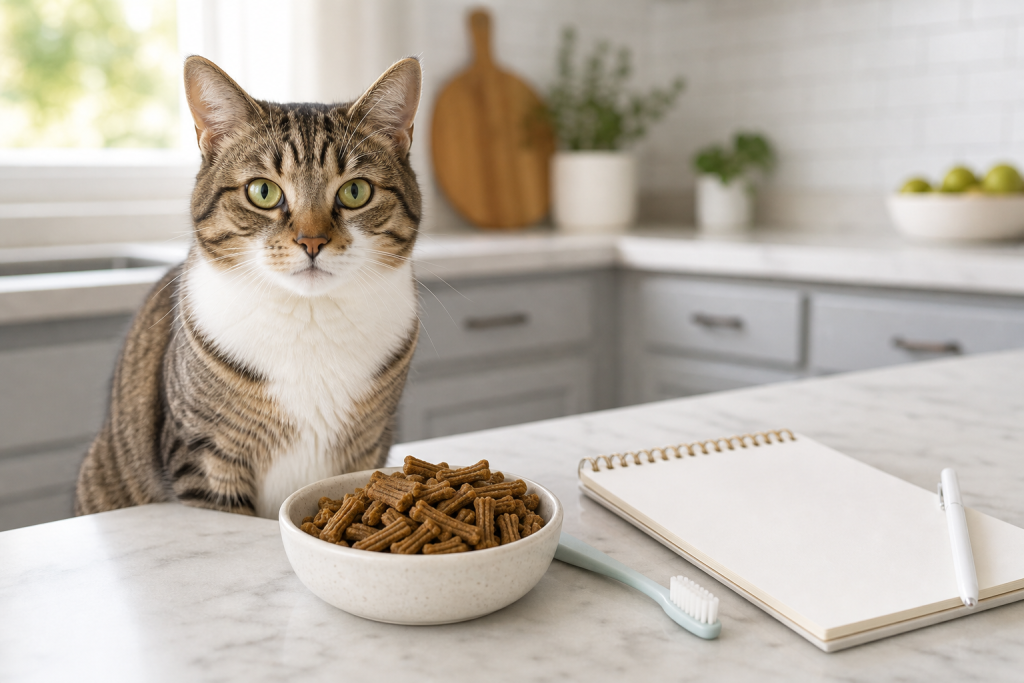
A cat dental treat deal is only useful if the treat has a real dental claim, your cat actually chews it, and the daily serving does not crowd out normal food. The safest checkout move is to look for the exact VOHC cat product, read whether the claim is for plaque, tartar or both, then compare the feeding directions against your cat’s calorie budget. Dental treats can support an oral-care routine, but they are not a substitute for veterinary dental care or brushing when your vet recommends it.
Cat dental treats are easy to add to a cart because they look harmless next to food, litter and toys. The problem is that “dental” can mean several different things. Some products have a third-party accepted claim, some are ordinary crunchy treats with oral-care language, and some require daily feeding to have any realistic chance of helping.
Why this matters now
Pet owners are shopping more dental-care products at home because professional cleanings, insurance exclusions and routine vet costs can make preventive care feel expensive. That makes a small bag of treats look like a simple win. It can be, but only if you understand what the label is promising.
The Veterinary Oral Health Council lists accepted cat products by category and claim. Its current cat table includes feline dental diets, powders, treats and other oral-care products, and it separates tartar claims from plaque-and-tartar claims. That distinction matters because a product with one accepted claim should not be treated as proof that it solves every mouth problem.
Cornell’s feline dental guidance still points owners toward regular tooth brushing and veterinary exams as core dental care. VCA Hospitals gives similar practical guidance: dental treats can be part of a broader plan, but they should not be treated as a stand-alone fix for painful teeth, inflamed gums or bad breath that suddenly gets worse.
The checkout mistake: buying the biggest bag first
The hidden cost is not just the sticker price. It is the bag you cannot use because your cat swallows the pieces whole, refuses the texture, throws up after a sudden diet change or needs a different dental plan from your vet.
Before you buy a large bag or subscribe for automatic refills, check four things:
- VOHC status: Search the VOHC accepted-products list for cats, not just dogs. Confirm the exact product name and claim.
- Serving directions: Many dental treats are intended for regular use. Count the daily pieces, not just the bag size.
- Calories: Treat calories still count. If the feeding guide adds a meaningful number of daily calories, reduce other treats or ask your vet how to fit them into the diet.
- Chewing behavior: A dental treat works differently when a cat crunches it instead of inhaling it. Start small and watch how your cat eats it.
What the VOHC seal does and does not mean
The VOHC seal is useful because it points to products that have submitted data for review and earned an accepted dental claim. It does not mean the product is the best choice for every cat, and it does not diagnose or treat dental disease.
Use the seal as a filter, then read the product page and package directions. For cats, VOHC’s accepted list includes products such as Feline Greenies dental treats, Whiskas Dentabites, Purina DentaLife Daily Oral Care cat treats and Purina Pro Plan Veterinary Diet Dental Bites, with claims listed by category. Availability can vary by country and retailer, so verify the current package in your cart rather than relying on an old review or photo.
How to compare a cat dental treat deal
A sale badge can hide a worse value if the serving size is large. Compare cost by feeding day, not by bag. A cheaper bag with fewer usable daily servings may cost more than a smaller bag that fits your cat’s routine.
Use this quick cart check:
- Find the exact product on the VOHC cat list or decide that you are buying it as a normal treat, not a dental product.
- Check whether the claim is tartar only or plaque and tartar.
- Read the daily feeding guide and estimate how many days the bag will last.
- Check calories per serving and whether your cat is already on a weight-management diet.
- Buy one small size first if your cat is picky, has missing teeth, eats too fast or is new to dental treats.
- Review retailer return terms before subscribing, especially for opened food or treat products.
Deal and coupon checks before you pay
Dental treats often appear in pet-store promos, Autoship offers and multi-buy deals. Do not assume the biggest discount is the best cart. A recurring shipment can become waste if your cat loses interest or the daily serving lasts longer than expected.
Before checkout, verify the coupon applies to the exact flavor, size and seller. Marketplace listings can mix old photos, multipacks and third-party sellers, so make sure the item you receive will match the product name you checked. If the discount requires Autoship, confirm the next shipment date, the cancellation controls and whether the future price changes after the first order.
What to avoid
Avoid treating dental treats like a cure for bad breath, red gums, drooling, pawing at the mouth or trouble eating. Those signs deserve a vet conversation. Also avoid giving a full new serving on day one if your cat has a sensitive stomach.
Skip vague listings that say “vet recommended” or “dental cleaning” without showing the exact product, size, feeding directions and claim. Be careful with hard treats for cats with known dental pain, missing teeth or special diets. If your cat is on a prescription food, ask your vet before adding daily treats that may interfere with the plan.
Quick answers
Are cat dental treats worth buying?
They can be worth buying when they carry a verified dental claim, fit your cat’s diet and your cat chews them consistently. They are less useful if they replace brushing, exams or a vet-recommended treatment plan.
Is a VOHC product always better?
VOHC acceptance is a strong shopping filter because it identifies products with reviewed claims. It is still not a guarantee that a specific cat will tolerate the treat, chew it properly or need that product.
Should I buy dental treats on subscription?
Only after a trial bag works. Once you know your cat likes the treat, eats it safely and uses it at the expected pace, a subscription can make sense if the terms and future price still work.
Can treats replace brushing?
No. Cornell and veterinary dental guidance continue to emphasize brushing, exams and professional care when needed. Treats are a supplement, not a full dental plan.
Sources
Sources last checked: August 28, 2026, 22:37 CEST, Europe/Rome.