
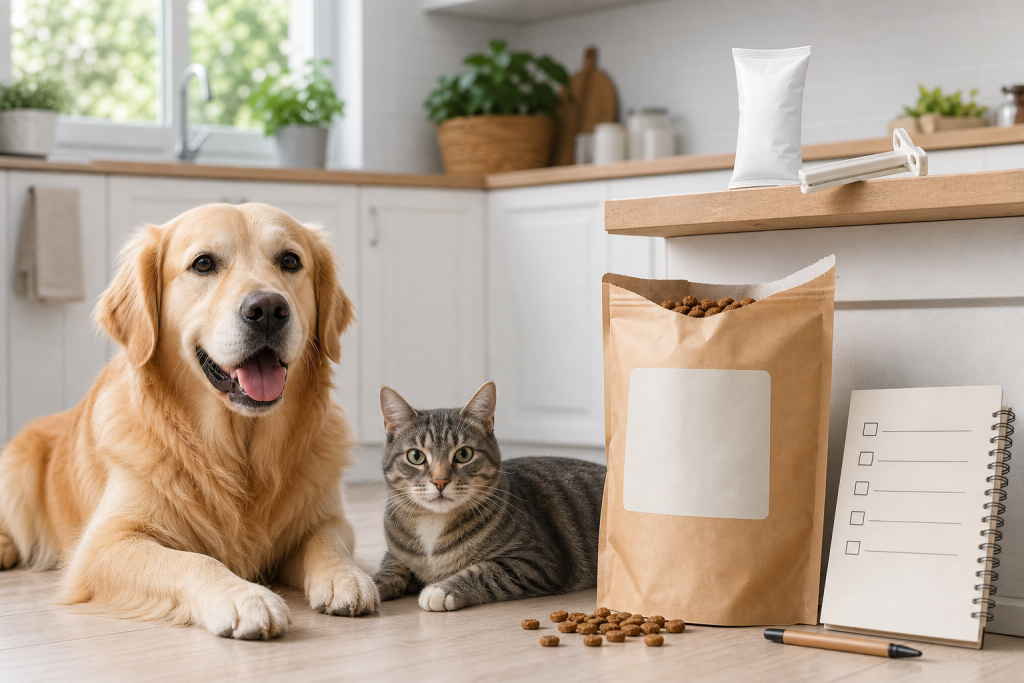
#pet food safety
#pet treat storage
#silica gel packets
That little freshness packet inside a treat bag usually is not the poisonous emergency many owners fear, but it still should not be left where a dog or cat can chew it. The real shopping mistake is buying a bulk bag, dumping everything into a bin, and losing track of the packet, lot code and storage instructions. Before a deal wins, check how the bag reseals, where the packet sits and whether you can keep the original packaging.
Freshness packets show up in treats, jerky-style snacks, supplements, pill pockets and some packaged pet supplies because moisture can ruin texture and shelf life. Bigger bags and multipacks can look cheaper per ounce, especially during retailer sales, but they also stay open longer and create more chances for loose packets, stale food and missing recall details.
Why this matters now
Pet owners are shopping more online, stocking up during sales and relying on heavy bags shipped to the door. At the same time, FDA recall notices keep reminding owners why the original bag matters: the product name, UPC, lot number and best-by date are what let you confirm whether your food or treats are affected by a defect or recall.
The packet itself is easy to overlook because it looks harmless, boring and small. A curious dog may treat it like part of the snack. A cat may bat it under a cabinet, where it becomes impossible to know whether it was swallowed, thrown away or still inside the food container.
The packet is not a bonus freshness trick
Do not save loose silica gel, desiccant or oxygen absorber packets to “refresh” old treats later. These packets are part of the manufacturer’s packaging system, not a reusable pet-supply accessory. Once the bag is open, your job is to keep the product sealed, dry and traceable, not to move packets between containers.
ASPCA says silica gel packets are used as drying agents and may cause stomach upset if eaten. It also notes that larger packets could potentially create an obstruction risk, although that is not common. Pet Poison Helpline similarly describes silica gel packets as having no true toxicity risk, but that does not make them something to ignore or leave in the bowl.
What to check before buying the big bag
Bulk treats are not automatically a bargain. Before checkout, check whether your pet will finish the package while it still smells and feels fresh, whether the reseal strip actually closes, and whether the bag fits inside a clean storage container without pouring the contents loose.
- Original bag: keep the food or treats in the manufacturer’s bag when possible, then place that bag inside a clean container with a tight lid.
- Packet visibility: when you open the bag, find the packet immediately and remove it if the package instructions do not require it to remain inside.
- Lot code: take a phone photo of the front label, UPC, lot number and best-by date before the bag gets folded or clipped.
- Portion pace: compare the bag size with how fast your pet safely eats that treat, not with the sale badge alone.
- Return terms: check whether opened treats, supplements or food can be returned if the smell, texture or packaging is wrong.
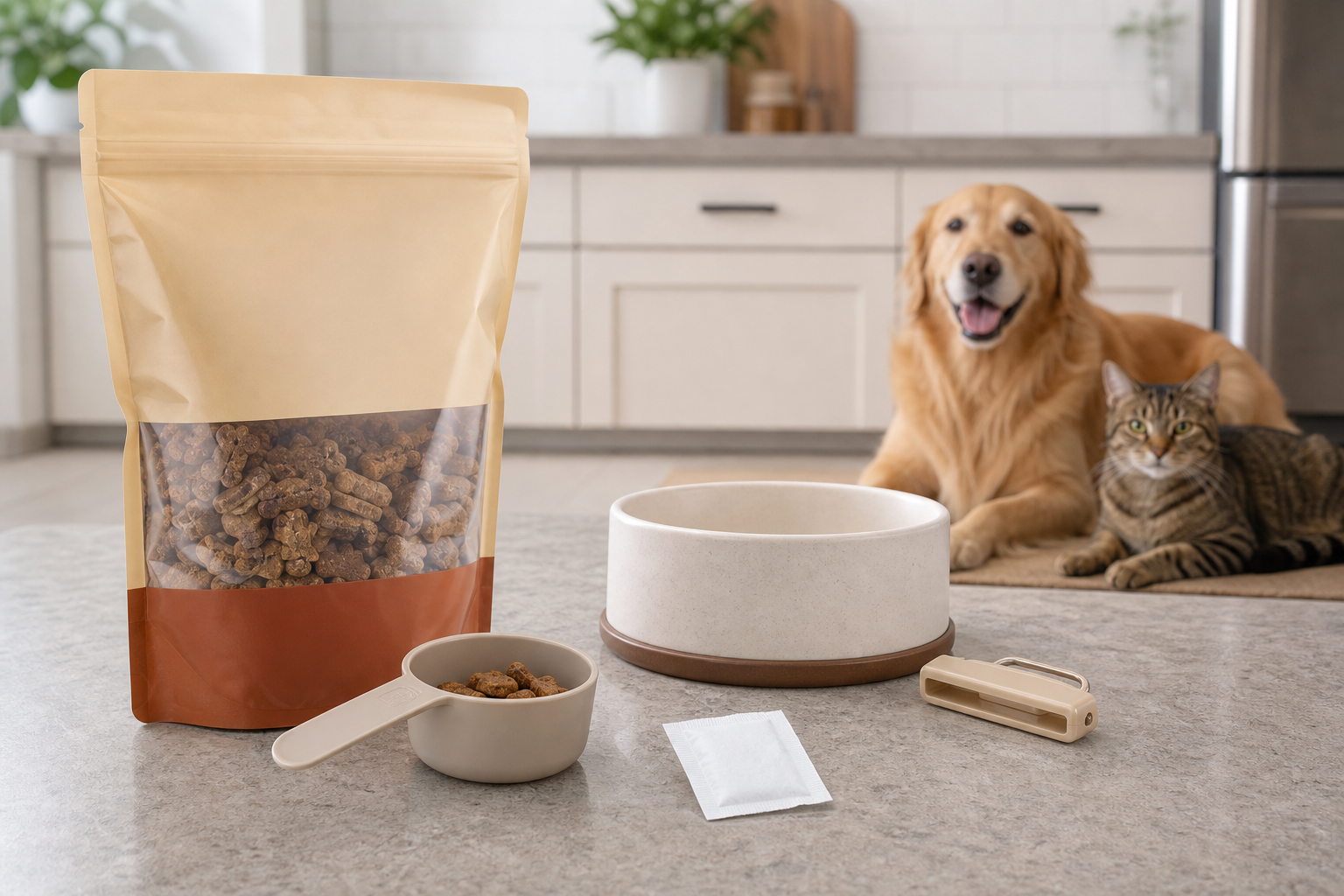
The deal and coupon check
A coupon can make a large bag tempting, but the savings disappear if half the bag goes stale, the packet goes missing or the original label is gone when a recall search matters. Compare the sale price per usable ounce, not just the price per bag. If your pet is trying a new treat, a smaller bag can be the better buy even when the larger bag has the bigger discount.
For Autoship and Subscribe & Save style orders, check the repeat shipment size and timing. A first-order discount can leave you with too many treats, especially for calorie-dense snacks or products your pet may reject. Put a reminder in your account to review the next shipment before it processes.
What to do when you open the bag
Open the package on a counter, not on the floor. Emptying a shipping box in front of a food-motivated dog is how small packets, twist ties and torn plastic pieces become part of the excitement.
Look inside the bag before your pet gets close. If there is a packet, remove it, photograph the bag details and throw the packet away where your pet cannot reach it. Then clip or reseal the original bag and store it in a cool, dry place according to the package directions.
FDA’s pet-food storage guidance says keeping the original container or bag helps preserve key details such as UPC, lot number, product name, manufacturer and best-by date. CDC and FDA also advise washing hands after handling pet food or treats and cleaning bowls, scoops and measuring utensils rather than using a pet bowl as the scoop.
What to avoid
Do not dump a new bag directly into an old plastic bin without cleaning it first. Oils, crumbs and moisture can remain in the container and affect the next batch. Do not mix old and new treats together, because that makes smell, age and recall tracking harder.
Do not assume “non-toxic” means “fine to eat.” If your pet chews or swallows a packet, call your veterinarian, ASPCA Animal Poison Control or Pet Poison Helpline for case-specific guidance, especially if your pet is small, swallowed the packet whole, ate several packets or seems unwell. Do not try home treatment tricks from social media.
Do not buy a product only because it claims to stay fresh longer. Check the ingredient panel, calorie information, storage instructions, package size, return policy and whether your pet has tolerated the product before.
Quick answers
Are silica gel packets poisonous to dogs and cats?
Most silica gel packets are described by ASPCA and Pet Poison Helpline as low toxicity or not a true toxicity risk. The concern is still real if the packet causes stomach upset, choking, obstruction risk or uncertainty about what was eaten.
Should I leave the packet inside the pet treat bag?
Follow the package directions. If the packet is loose and easy for your pet to reach, remove it when you open the bag and keep the original packaging sealed and traceable.
Is a bulk treat bag a better deal?
Only if your pet will use it before it goes stale and the storage setup keeps the bag clean, sealed and identifiable. A smaller bag is often smarter for a new treat, a low-calorie plan or a picky pet.
Can I pour treats into a decorative jar?
You can use a clean container, but keep the original bag or record the lot code, UPC, best-by date and manufacturer. The original package is useful if there is a quality complaint or recall.
Sources
Last checked: August 30, 2026, 07:34 CEST, Europe/Rome.