
#air-dried dog food
#dog food deals
#pet food labels
Air-dried dog food can be a smart buy for some owners, but the deal is not the bag price. The real check is whether the food is complete and balanced for your dog’s life stage, how many days the bag actually feeds, and whether a subscription locks you into a premium format your dog may not tolerate. If you treat it like ordinary kibble without reading the label and feeding directions, a small “premium” bag can become one of the most expensive items in the cart.
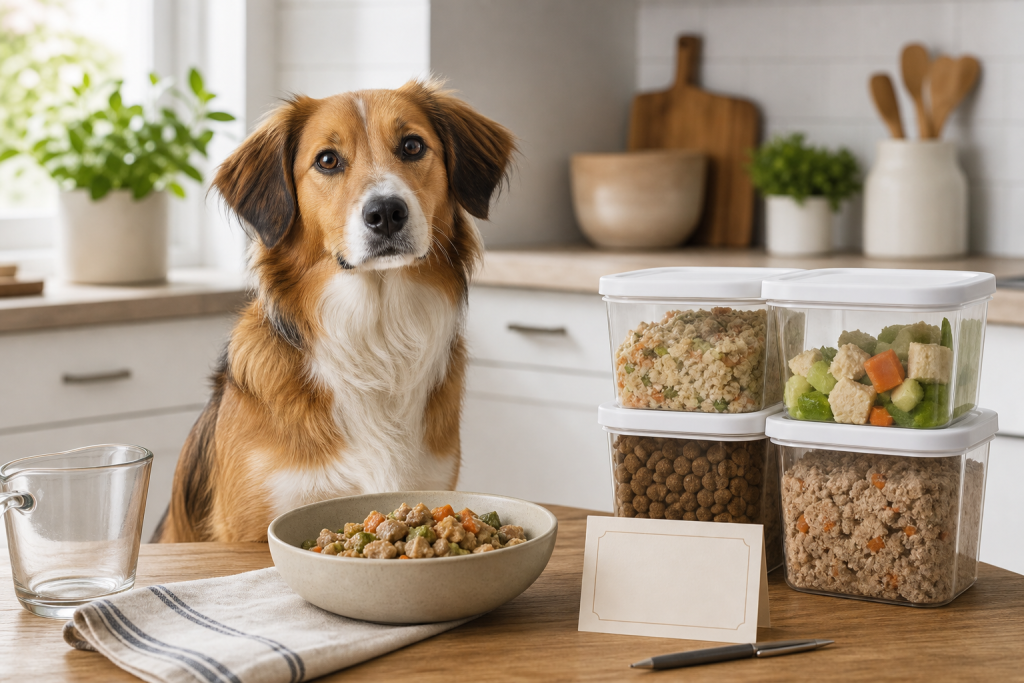
Air-dried food is getting more shelf space because owners want convenient food that looks closer to fresh or raw feeding without a freezer. That demand is real, and market research points to strong growth for air-dried pet food and the broader premium pet-food category. The shopper problem is also real: “air-dried,” “gently dried,” “human-grade” and “raw-inspired” are not the same as proof that the food fits your dog, your budget or your storage routine.
Why this matters now
Pet food is already a major household cost, and premium formats make the comparison harder. A conventional dry-food bag, an air-dried bag and a topper pouch can all sit on the same sale page, but they may serve completely different roles. One may be a daily diet, one may be a mixer, and one may be a treat. The front of the bag won’t always make that distinction obvious enough.
Before you chase a sale badge, turn the package around. The U.S. Food and Drug Administration says pet owners can determine whether a food meets a dog or cat’s nutritional needs by checking the nutritional adequacy statement. AAFCO also describes that statement as the key label detail for matching a food to the pet and life stage. That matters more than the drying method.
The label check most shoppers skip
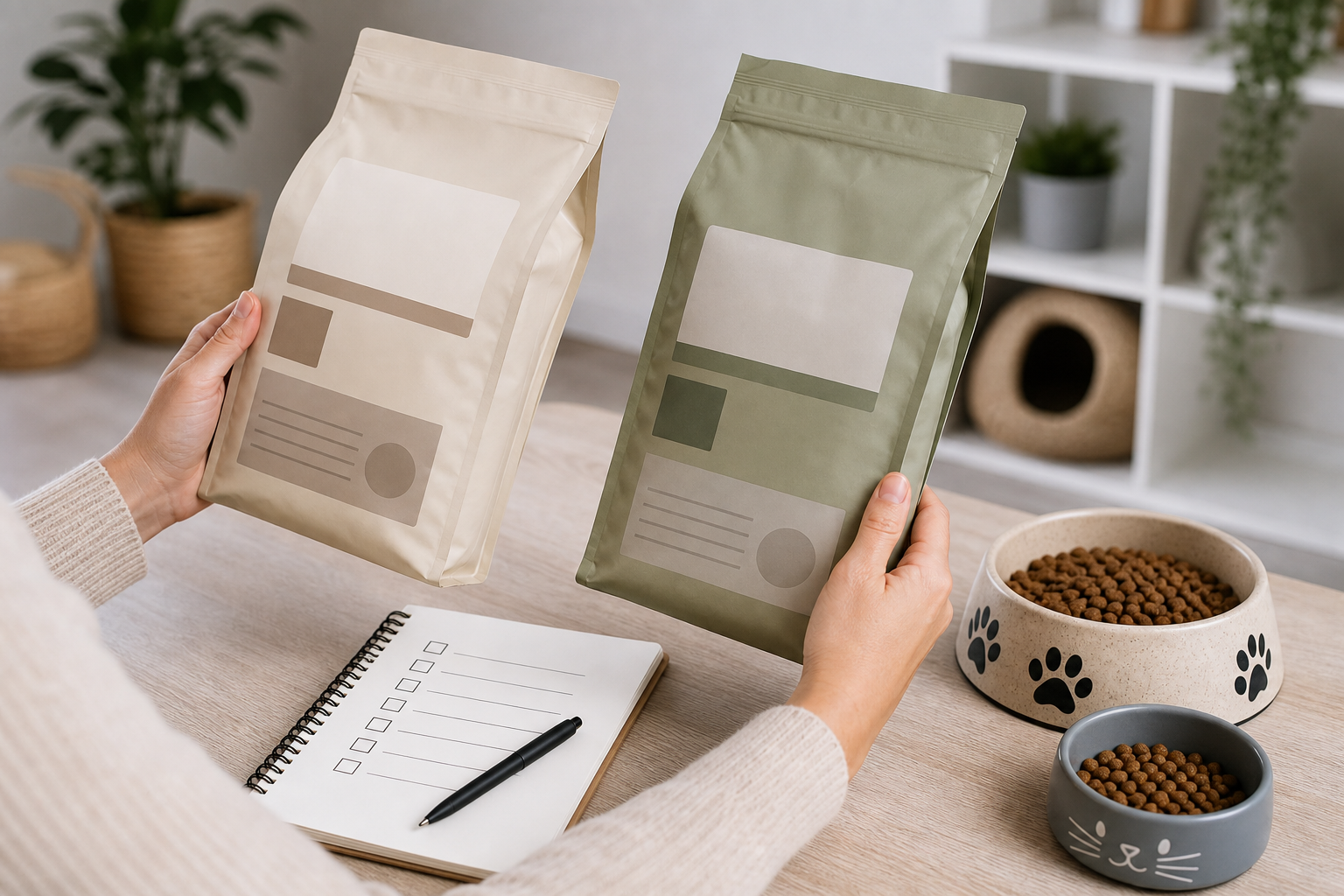
Look for the nutritional adequacy statement before you compare flavors or discounts. If the food is intended as a main diet, the label should say it is complete and balanced for a specific life stage, such as adult maintenance, growth or all life stages. If it says the product is for intermittent or supplemental feeding only, it is not a complete daily diet by itself.
This is where some premium foods become confusing. A bag can look like “real food” and still be a topper, mixer or treat. That is not automatically bad, but it changes the math. If you buy a supplemental product expecting it to replace dinner, you may have to buy a second complete food anyway.
For puppies, large-breed puppies, pregnant dogs, nursing dogs, seniors with medical issues or dogs on a veterinary diet, don’t switch because a premium bag is on sale. Ask your vet which life-stage statement and nutrient profile are appropriate. A shopping article can’t diagnose a dog or replace a diet plan.
Do the serving-cost math
Air-dried dog food often looks expensive per pound because moisture has been removed and the food can be calorie dense. That can make a small bag last longer than it appears, but only if the feeding directions match your dog’s actual calorie needs. The useful number is cost per day, not cost per bag.
Check these four things before checkout:
- Your dog’s current weight and body condition, not just breed size.
- The calories per cup, scoop, ounce or gram on the label.
- The daily feeding amount for your dog’s life stage and activity level.
- The number of days the bag should last after you transition slowly.
If the brand’s feeding chart gives a wide range, calculate the high end too. A deal that works at the low end may stop working if your dog needs more food to maintain a healthy weight. Also check whether the bag assumes the food is fed alone or mixed with another diet.
The transition can eat the savings
Changing food too quickly can cause stomach upset for some dogs, and an expensive new bag may be wasted if your dog refuses it or can’t adjust. Look for trial sizes or small bags before buying a bulk subscription. If you already know your dog has food sensitivities, allergies, pancreatitis history or another diagnosed issue, ask your vet before switching.
Keep the original package until the food is gone. FDA safe-handling guidance recommends storing dry pet food in its original bag with the top tightly folded down, in a cool and dry place below 80 F. The original package also preserves the lot code and best-by information if a recall or quality question comes up later.
Deal and coupon checks before you pay
For air-dried dog food, subscription discounts can be useful only when your dog has already accepted the food and the daily cost still works. Check whether the first-order discount has a maximum savings cap, whether future shipments have a lower discount, and how easy it is to pause or cancel. Don’t assume a trial discount means the repeat order is affordable.
Also check return terms before opening a premium bag. Some retailers are generous with pet-food satisfaction policies, but others may limit returns by seller, condition, prescription status, delivery method or time window. If you are buying from a marketplace listing, verify the seller name, the shipping source and whether the food is eligible for the same return policy as the retailer’s own inventory.
What to avoid
Avoid buying air-dried dog food only because the front label sounds cleaner than kibble. Drying method is not a substitute for nutritional adequacy, calorie math, ingredient tolerance, storage safety or your dog’s actual response.
Avoid “raw-inspired” assumptions. Air-dried is a processing style, not a guarantee that a food has the same risk profile, nutrient profile or handling needs as another product. FDA reminds pet owners that pet food and treats can be contaminated with harmful bacteria, so handwashing, bowl cleaning and careful storage still matter.
Avoid big-bag subscriptions before a first-bag trial. A repeat delivery can be convenient after the food works. Before that, it can turn one wrong assumption into several unwanted shipments.
Quick answers
Is air-dried dog food better than kibble?
Not automatically. Compare the nutritional adequacy statement, calories, feeding directions, ingredients your dog tolerates, storage instructions and daily cost. The best fit is the food your dog can eat safely and consistently, with your vet’s input when health issues are involved.
Can I use air-dried dog food as a topper?
Sometimes, but read the label first. If the product is complete and balanced, it may be suitable as a main food when fed as directed. If it is supplemental, treat it like an add-on and count the calories so it doesn’t quietly overfeed your dog.
Should I buy the largest bag when it is on sale?
Usually not for a first trial. Start small, confirm your dog accepts it, keep the original packaging, and only then compare bulk pricing, subscription terms and return limits.
Sources
- U.S. Food and Drug Administration, “Complete and Balanced” Pet Food: https://www.fda.gov/animal-veterinary/animal-health-literacy/complete-and-balanced-pet-food
- AAFCO, Reading Labels: https://www.aafco.org/consumers/understanding-pet-food/reading-labels/
- FDA, Tips for Safe Handling of Pet Food and Treats: https://www.fda.gov/animal-veterinary/animal-health-literacy/tips-safe-handling-pet-food-and-treats
- FDA, Pet Food: https://www.fda.gov/animal-veterinary/animal-foods-feeds/pet-food
- Dataintelo, Air-Dried Pet Food Market Research Report 2034: https://dataintelo.com/report/air-dried-pet-food-market
- Fortune Business Insights, Pet Food Market Size, Share and Industry Analysis, last updated August 17, 2026: https://www.fortunebusinessinsights.com/industry-reports/pet-food-market-100554
Sources last checked: September 2, 2026, 15:02 CEST, Europe/Rome.