
#Dog enrichment
#dog puzzle toys
#interactive dog toys
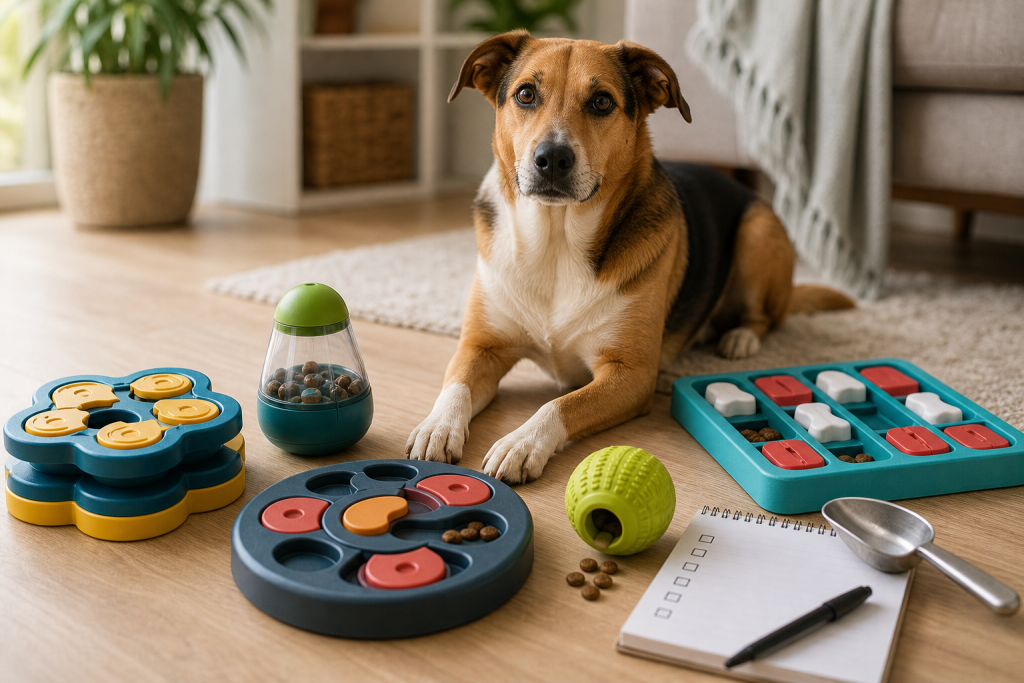
A dog puzzle toy deal is only a good buy if your dog can actually use it safely. The mistake is buying the hardest-looking puzzle because it is on sale, then discovering that the pieces are too small, the cleanup is annoying, or the difficulty level turns play into frustration. Start with your dog’s size, chewing style and food routine before you let the discount choose the toy.
Interactive dog toys are getting more attention as owners look for indoor enrichment, slower meals and rainy-day activity. Recent deal coverage has highlighted rolling, vibrating and treat-dispensing toys, while major retailers continue to stock dozens of puzzle feeders and interactive options. That demand is useful, but it also makes checkout pages crowded with toys that look similar and behave very differently.
Why This Matters Now
September is a transition month for many dog households. Walks may get shorter during storms, school and work schedules change, and owners start shopping for indoor boredom tools before fall weather settles in. Puzzle toys can help because they turn food into an activity, but they are still toys with moving parts, treat limits and cleaning requirements.
The ASPCA describes food puzzles as a way to slow eating and provide mental stimulation, and it also emphasizes active supervision when dogs have access to DIY enrichment items. That same idea applies to store-bought puzzles. A toy that dispenses kibble can be useful, but it should not become an unsupervised chew object if your dog breaks plastic, swallows small parts or guards food.
Check The Difficulty Before You Check The Price
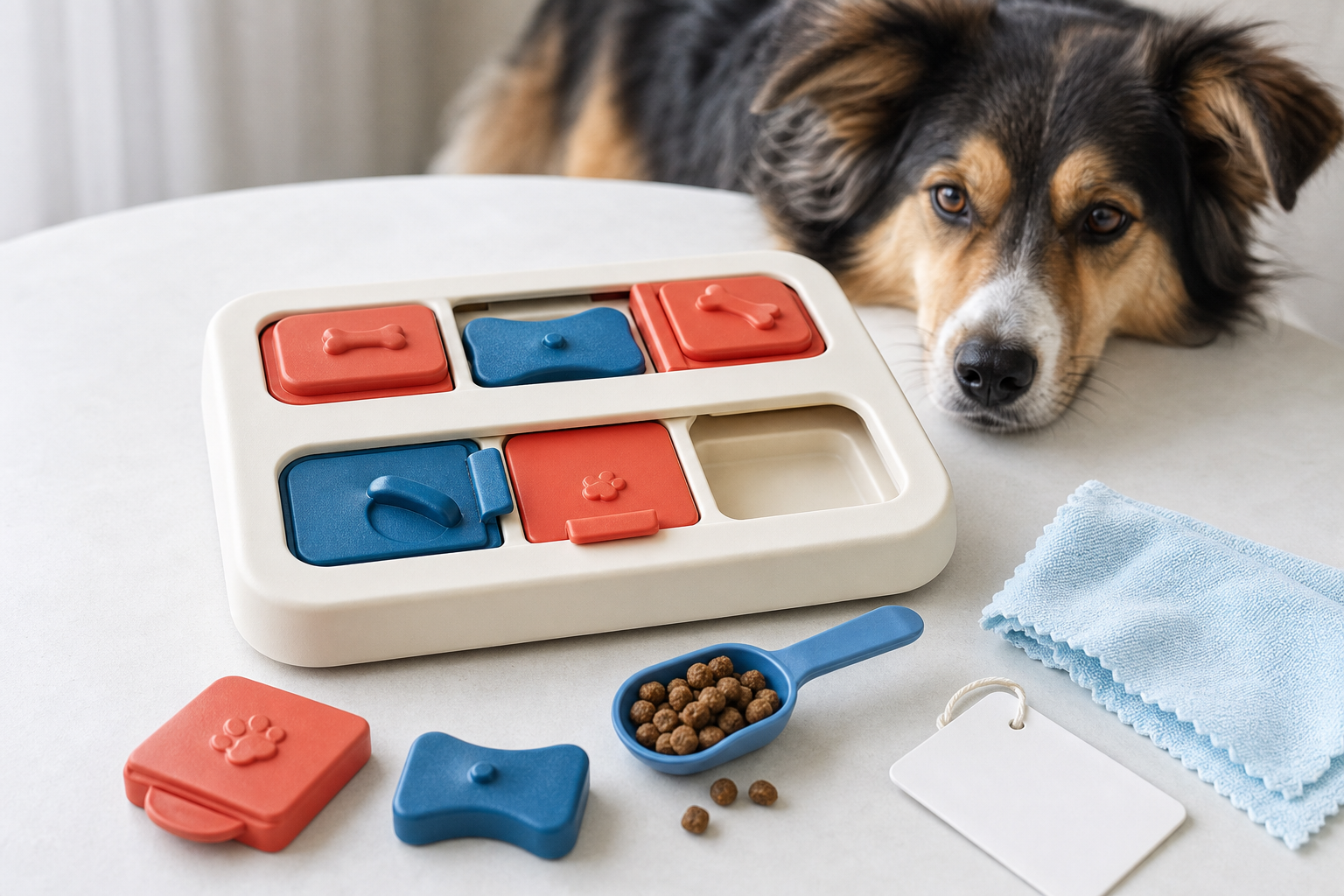
The first filter is not the star rating. It is whether the puzzle matches your dog’s current skill level. Beginner puzzles usually use larger openings, simple sliding pieces or rolling treat release. Advanced puzzles often require several steps, smaller removable pieces or more precise paw and nose work.
If your dog is new to puzzle toys, a simple treat-dispensing ball or shallow sliding puzzle is usually a better first purchase than a multi-step board. If your dog already destroys plush toys, check whether any doors, knobs, caps, ropes or suction pieces can be chewed off. For puppies, seniors and small breeds, confirm the minimum size guidance and avoid parts that could fit fully inside the mouth.
- Choose easy or adjustable difficulty for a first puzzle.
- Check that treat wells fit your dog’s normal kibble or training treats.
- Avoid tiny removable pieces for dogs that chew before they solve.
- Look for smooth edges, sturdy hinges and parts that do not pinch.
- Make sure the toy can be washed without trapping soft food in seams.
The Hidden Cost Is Often Food
Many puzzle toys look cheap until they quietly add extra treats every day. If the toy only works with peanut butter, paste, large biscuits or branded refills, the running cost may matter more than the sale price. A good checkout test is simple: can you use part of your dog’s normal measured meal in the toy?
For dogs on a weight plan, prescription diet or sensitive-stomach routine, ask your veterinarian how treats should fit into the daily food allowance. This is buying guidance, not a diet plan. The practical point is that an enrichment toy should support the routine you already need, not push you into a second snack budget.
Deal And Coupon Checks Before Paying
Retailer toy deals change quickly, and interactive toys often sit inside broader promotions where not every item qualifies. Before paying, verify the final cart price, shipping threshold, return window and whether any refill treats are sold separately. If the product page shows a sale badge, compare the checkout total after tax, shipping and required add-ons.
Be cautious with bundles that include multiple difficulty levels if your dog has never used a puzzle. One well-matched toy is usually a better trial than a large set of boards, balls and mats that all need storage and cleaning. If you are buying from a marketplace seller, check the seller name, return route and whether replacement parts are available from the same source.
What To Avoid
Avoid treating a puzzle toy as a babysitter for a dog that chews aggressively. Humane World for Animals advises choosing toys that suit the dog’s size and removing parts such as strings or pieces that could be chewed off and ingested. Discard toys once they start breaking into pieces.
Also avoid toys that are hard to clean after wet food, toys that require treats your dog cannot tolerate, and puzzles that slide loudly across the floor if your dog is noise-sensitive. For multi-dog homes, supervise separately at first. Food toys can create competition even between dogs that usually share space calmly.
A Simple Buying Framework
- Beginner dog: choose a simple rolling dispenser, shallow puzzle or snuffle-style toy and use measured kibble.
- Fast eater: look for broad, easy-clean food paths rather than tiny crevices that trap residue.
- Heavy chewer: prioritize durable rubber or supervised short sessions, not thin plastic sliders.
- Senior dog: avoid puzzles that require hard pawing, sharp turns or slippery floor movement.
- Apartment dog: check noise, rolling range and whether the toy can be used on a mat.
Quick Answers
Are dog puzzle toys worth buying?
They can be worth buying when they match your dog’s size, chewing habits and food routine. The best value is usually a washable toy that can use normal kibble and remain interesting without becoming frustrating.
Can I leave my dog alone with a puzzle toy?
Use supervision first, especially with a new toy. If your dog chews parts, swallows pieces, guards food or panics when a toy moves, do not leave that puzzle available unsupervised.
Should I buy the hardest puzzle?
Not for a first purchase. Start easier, then increase difficulty if your dog solves the toy calmly and safely.
What makes a puzzle toy deal less useful?
Required refill treats, poor washability, fragile moving parts, tiny removable pieces and return limits can all erase the value of a low sale price.
Sources
- ASPCA, Canine DIY Enrichment.
- ASPCA, At-Home Tips for Keeping Your Pets Busy and Engaged.
- Humane World for Animals, How to Pick the Best and Safest Dog Toys.
- PetSmart, Dog and puppy toys category and promotional terms.
- People, recent interactive dog toy deal coverage, used only as a demand signal.
Sources last checked: September 4, 2026, 21:18 CEST, Europe/Rome.