
#cat litter liners
#cat supplies deals
#litter box cleanup
A cheap cat litter liner is only a good deal if it fits the pan, survives your cat’s digging, and lets you lift the used litter without splitting. Many liners fail because shoppers buy by “large” or “jumbo” instead of checking the actual box dimensions and litter weight. Before you add a bulk pack to the cart, check thickness, drawstring design, surface texture, return terms, and whether your cat already dislikes liners.
Cat litter liners are getting attention again because fall shopping carts are filling with litter, odor control, cleaning supplies, and seasonal home products. Retailers list plenty of liners in best-seller and deal sections, and some brands pitch them as a cleaner alternative to scrubbing the pan. The problem is that a liner changes the feel, sound, and shape of the litter box, and those details matter to cats as much as cleanup matters to owners.
Why the liner deal can be misleading
The headline price usually hides three costs: wasted liners that rip, extra litter lost when the bag collapses, and cleanup supplies needed when a full liner leaks on the way to the trash. A 15-count box can look cheap until you need to double-bag every change. It can also be a poor buy if your cat claws through plastic, refuses the box, or catches a paw on a drawstring edge.
That does not mean every litter box liner is useless. It means the deal has to match your specific cat, box, litter depth, and cleaning routine. A low-sided open pan with one calm cat is a different use case from a high-sided jumbo box, a multi-cat household, or a cat who digs hard before and after using the box.
Check the pan size before the liner size
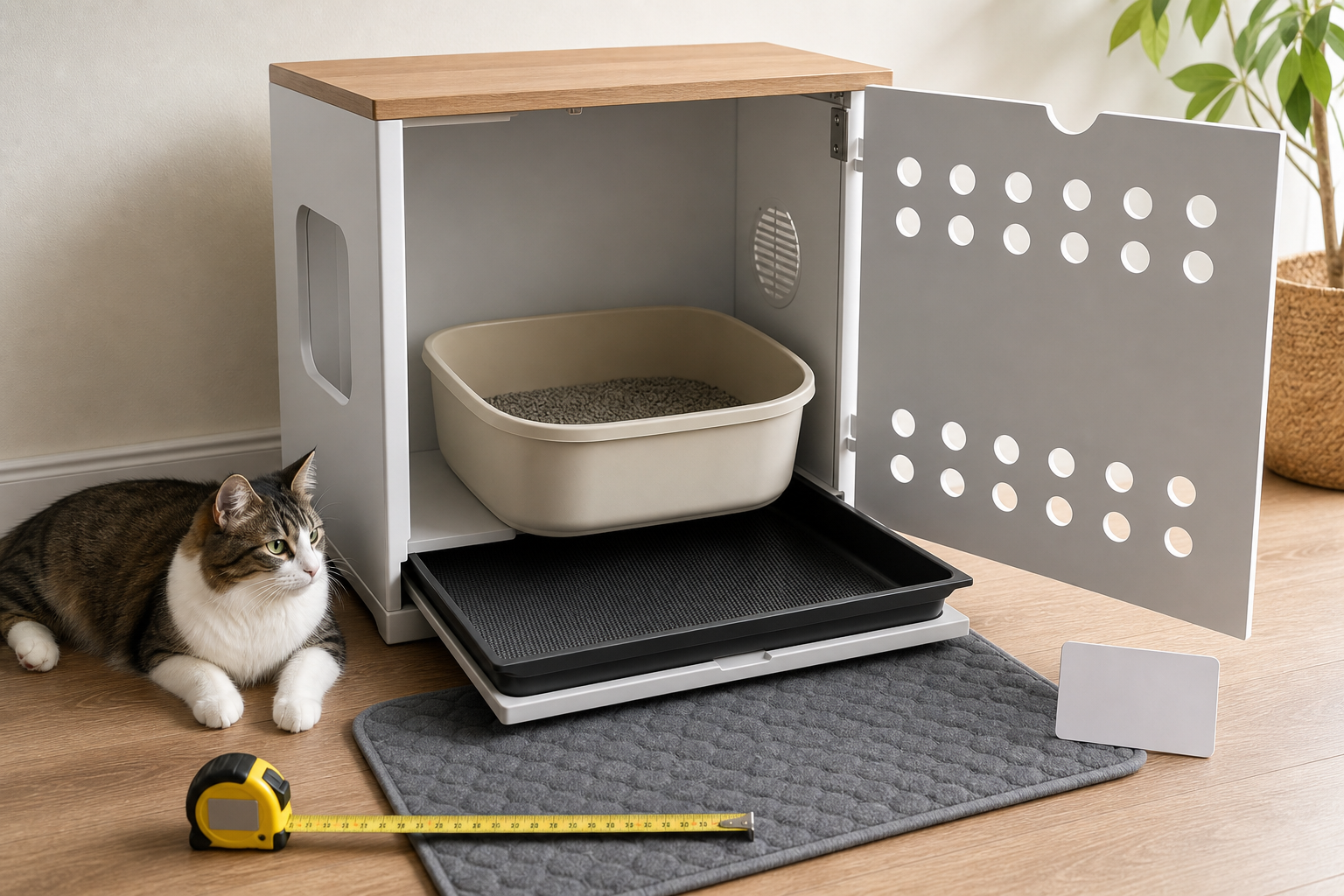
Do not trust size words alone. “Large,” “jumbo,” and “fits most” can mean different things across brands, and a liner that is too narrow will pull tight across corners. That makes tearing more likely when you pour in litter or when your cat digs near the wall.
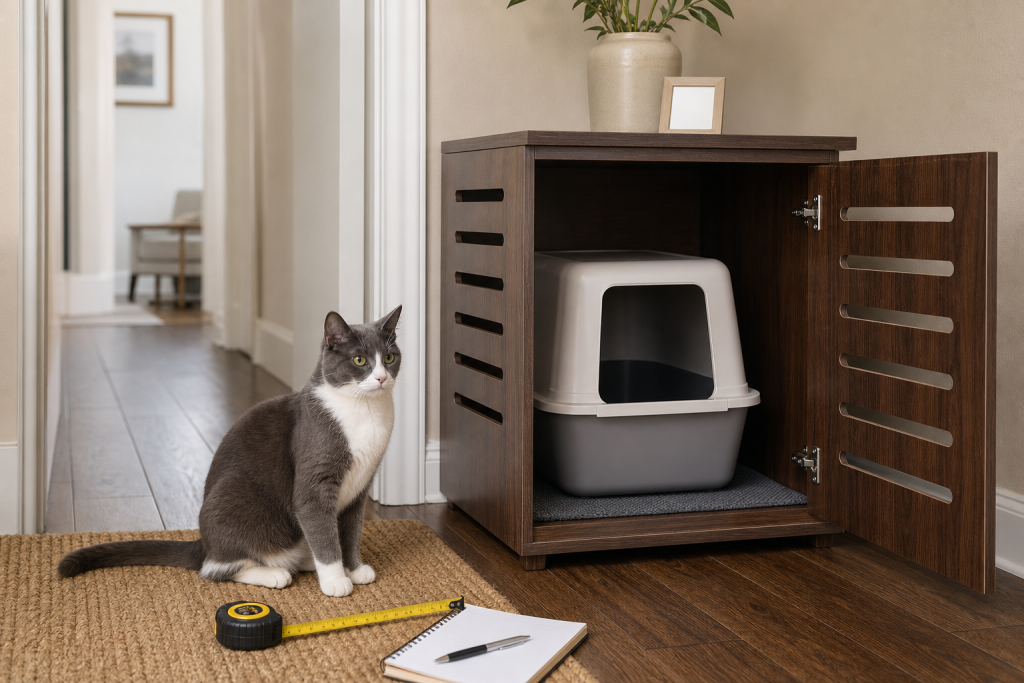
Measure the inside length, width, and side height of the litter box, then compare those numbers with the liner’s listed dimensions. Leave slack for the liner to sit against the base and sides without stretching. If you use a very large storage-bin style box, many standard liners may not be wide enough even when the package says jumbo.
Cat comfort still comes first. The ASPCA notes that litter-box problems can happen when the box is too small, hard to access, too deep with litter, or has a hood or liner that makes the cat uncomfortable. It also says most cats prefer clean boxes, shallow litter, and large boxes they can enter easily. If your cat starts avoiding the box after you add liners, treat that as a product failure, not stubborn behavior.
Thickness matters, but it is not the only test
Look for actual material thickness, often listed in mils, instead of vague phrases like “heavy duty.” Jonny Cat’s official product page, for example, describes its heavy-duty liners as 2 MIL thick, tear resistant, and available with drawstring closure. That kind of detail is useful because it gives you something specific to compare across products.
Thickness alone is not a guarantee. A thick liner can still fail if the bottom is stretched, the corners do not sit flat, or the drawstring channel tears when the bag is heavy. A thinner liner may be fine for a small pan changed frequently, but it is a risky bulk buy for heavy clumping clay litter or a deep pan.
For a first purchase, a smaller pack is usually smarter than a large value box. Use it through at least two complete litter changes before committing to bulk. You want to know whether the liner tears during scooping, whether odors get trapped under the plastic, and whether your cat keeps using the box normally.
The checkout checklist
- Dimensions: Match the liner to the actual pan, including high sides and corner shape.
- Weight capacity: Check whether the bag can handle the amount and type of litter you use.
- Closure: Drawstrings help only if they do not tear out under load.
- Texture: Crinkly or slippery plastic may bother some cats.
- Compatibility: Do not assume liners work with sifting, top-entry or automatic boxes.
- Return terms: Seasonal or marketplace pet supplies may have stricter return rules once opened.
If you are buying from a marketplace, also check who sells and ships the product. A third-party listing can have different return handling than the retailer’s own inventory. Avoid listings with unclear dimensions, no material details, or photos that do not show how the liner fits in a real pan.
When a liner is worth paying for
A liner can make sense when the litter pan is easy to fit, the cat accepts the texture, and the owner needs faster full-box changes. It can also help with temporary setups, foster rooms, travel staging, or a pan that gets fully dumped on a predictable schedule. In those cases, a drawstring liner may save time and reduce stuck-on residue.
It is less useful when the real problem is daily scooping, box location, litter type, or a cat who is eliminating outside the box. Ohio State’s Indoor Pet Initiative recommends one litter box per cat plus one extra, especially in multi-cat homes and homes with more than one level. A liner cannot fix too few boxes or a location your cat does not feel safe using.
Deal and coupon checks before you pay
For liners, the best deal is usually cost per successful litter change, not cost per bag. Divide the total price by the number of liners you expect to use without doubling up. If you already know you need two liners at a time, the true price is twice the advertised per-liner number.
Check whether a coupon applies to the exact size and count you want. Retailer pages often separate discounts by seller, size, subscription option, or stock status. Do not assume a promotion applies just because the category page says there are deals on litter-box supplies.
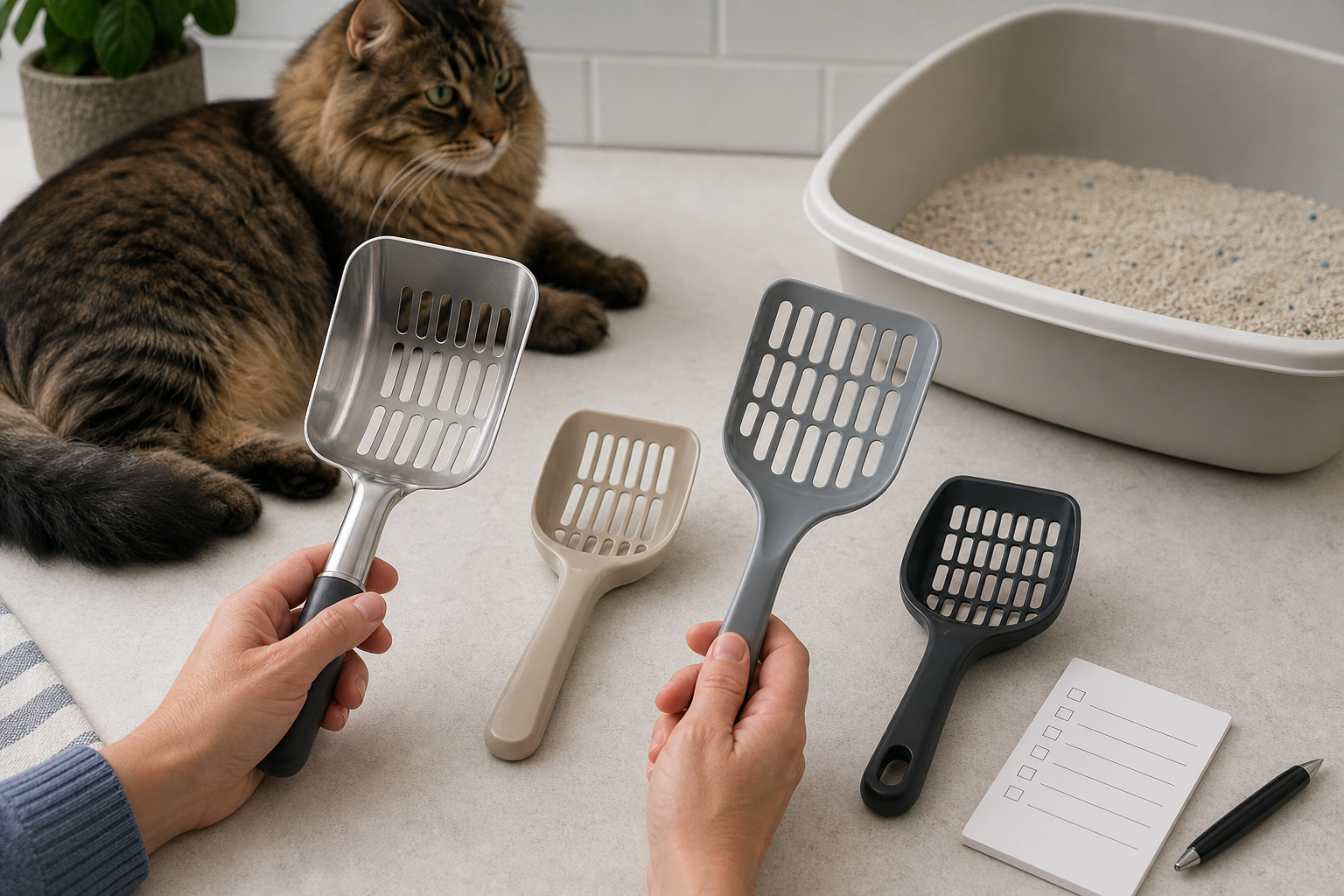
Also compare a liner pack with a better scoop, a lower-dust litter, or a smoother litter pan. A liner is not automatically the cheapest way to reduce cleanup. If your current pan has scratched plastic that traps odor, replacing the pan may solve more than adding bags to it.
What to avoid
Avoid scented liners if your cat is sensitive to fragrance or has recently changed litter-box habits. Avoid liners with loose ties or dangling edges that invite chewing or pawing. Avoid using liners to postpone cleaning, because trapped moisture and odor can make the box less attractive to the cat.
Do not ignore sudden litter-box changes. The ASPCA says cats who eliminate outside the box should be checked by a veterinarian to rule out urine marking and medical problems before assuming it is only a product preference. If the timing lines up with a new liner, remove the liner and return to the setup your cat used reliably while you monitor the pattern.
Quick answers
Are cat litter box liners a good deal?
They can be, but only when one liner survives a full change and your cat keeps using the box normally. If you have to double-bag or clean spills anyway, the savings shrink quickly.
Do cats dislike litter box liners?
Some do. The ASPCA specifically lists liners as one possible reason a cat may feel uncomfortable with a box, so test a small pack before buying in bulk.
What thickness should I buy?
Look for a stated thickness and match it to your litter weight and cat’s digging style. A 2 MIL liner is a common heavy-duty benchmark, but fit and slack matter as much as the number.
Can I use liners in an automatic litter box?
Only if the manufacturer says that exact machine supports them. Loose plastic can interfere with sensors, rakes, rotation or waste drawers.
Sources
Sources last checked September 5, 2026, 10:34 CEST, Europe/Rome.