
#local AI pet tech
#pet detection
#smart home pet tech
#UGREEN HomeAgent
UGREEN HomeAgent may look tempting if you want local AI pet detection without another camera subscription, but it is not a simple pet camera purchase. It is an expensive smart-home hub ecosystem, with crowdfunding timing, add-on cameras, storage choices and compatibility limits that matter more than the pet-detection headline. If you only need to know whether your dog crossed the room or your cat used a doorway, check the total setup before treating the early-bird price as a deal.
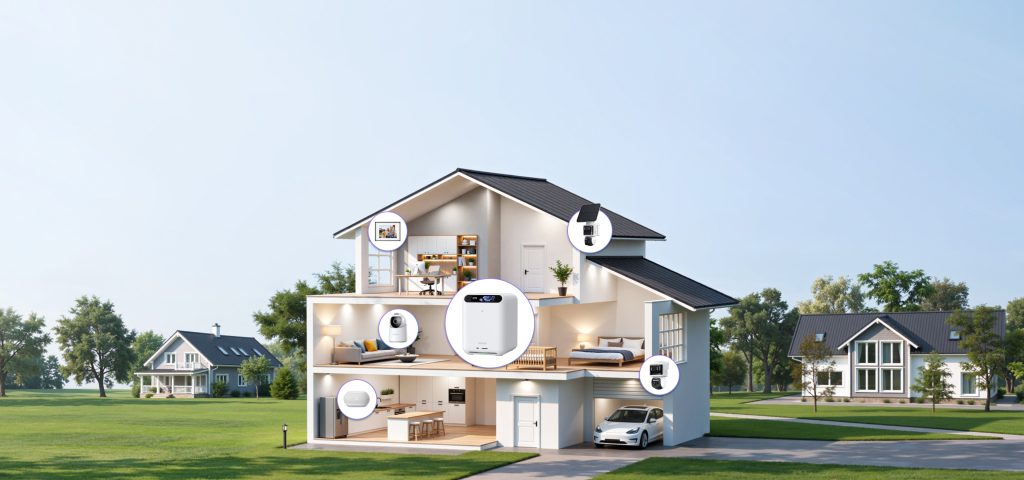
The timing is why this matters now. UGREEN used IFA 2026 to promote HomeAgent as a local AI smart-home platform that can connect cameras, storage, speakers and compatible smart-home devices. The company says the system keeps data at home, runs AI locally and can detect important home events, including pet-related activity. That sounds useful for pet owners, but the checkout decision is closer to buying a small home server than buying a bargain pet monitor.
Why pet owners are noticing local AI hubs
Pet cameras, treat cameras and smart trackers have trained owners to expect live alerts, short clips and AI summaries. The annoyance is that many of those features sit behind cloud plans, and the footage may include more of your home than your pet. A local AI hub promises a different tradeoff: pay more upfront, store video locally and avoid some recurring cloud fees.
UGREEN’s HomeAgent pitch lands directly in that debate. Its official crowdfunding page describes HomeAgent as a local hub that unifies storage, computing and control, and says it connects UGREEN cameras, smart speakers, smart photo frames and third-party devices. The same page says the system stores data at home, runs AI locally, connects cameras and other devices, and sends alerts when attention is needed.
That does not automatically make it the right pet purchase. A hub can be private on paper and still be wrong for a pet household if the camera angle misses the crate, the alert arrives late, the compatible device list is narrow, or the total package costs more than several years of a simpler camera plan.
The checkout mistake: buying the pet-detection promise, not the system
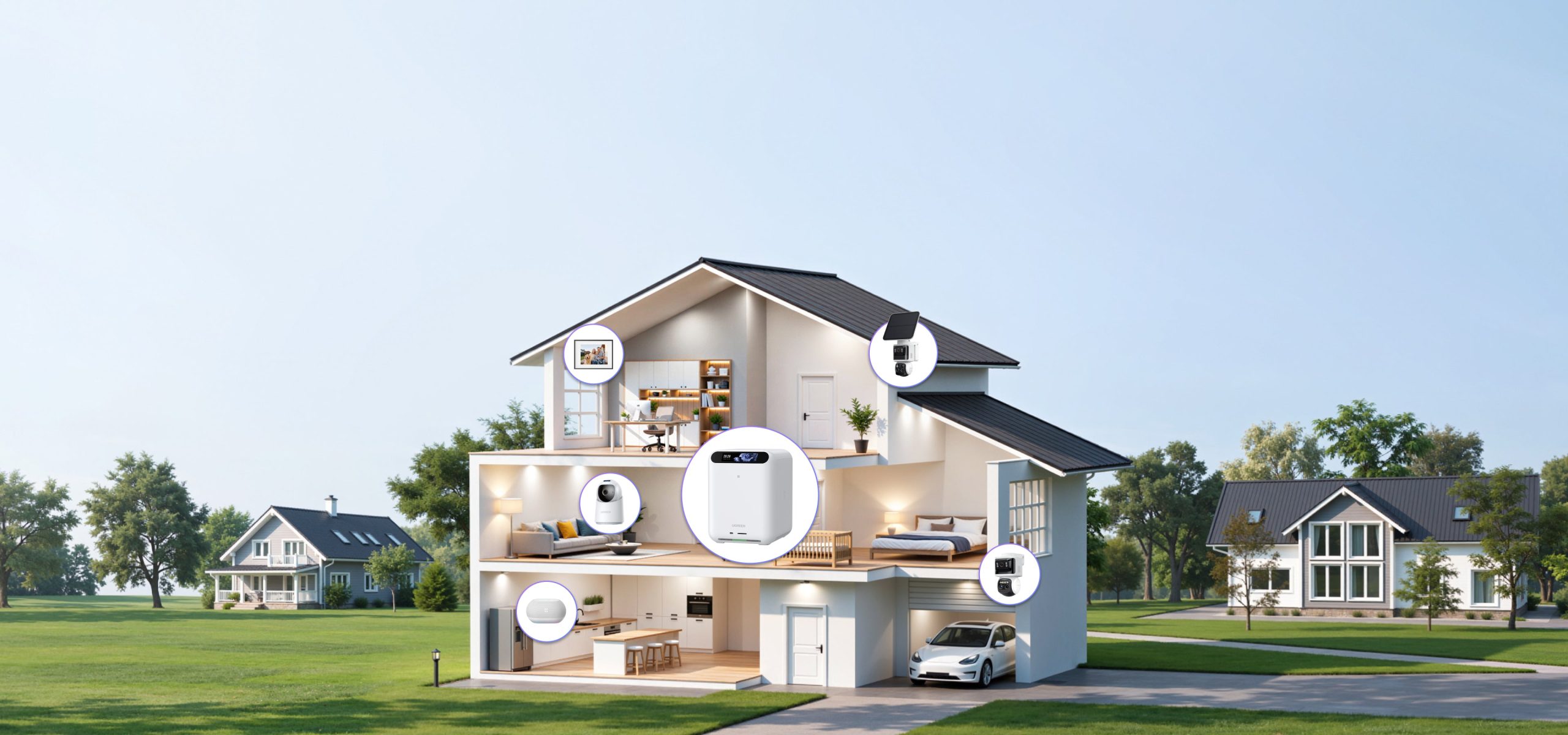
The mistake is assuming “pet detection” means a complete pet-monitoring setup is included. A hub by itself does not watch the dog bed. You still need compatible cameras in the right rooms, local storage if you want video history, reliable power, a working network and alert settings that separate useful pet events from normal background movement.
The Verge reported from IFA that HomeAgent combines local storage, on-device AI and smart-home control, with smart alerts for people, vehicles, packages and pets. It also noted that push notifications and remote camera viewing still require internet access, even though core processing is local. That detail matters for owners who are shopping because they want to check pets while away from home.
In other words, local AI does not mean “offline pet sitter.” It may reduce cloud dependence, but it does not remove the need for internet, camera placement, app access, account setup or human supervision. UGREEN’s own disclaimer says monitoring and care-related camera features are auxiliary aids only and do not replace active human supervision.
What to verify before buying for a dog or cat
Start with the exact job you want the system to do. If the goal is to check whether a dog is resting calmly, a basic indoor pet camera may be enough. If the goal is to keep local recordings from multiple cameras, search video history and avoid monthly storage plans, a hub may make more sense. If the goal is health monitoring, do not treat camera AI as diagnosis. Save clips and ask your vet when behavior, drinking, eating, urination or vomiting changes worry you.
Then check the practical hardware list:
- Camera count: one camera rarely covers a whole pet routine. A dog may move between a crate, sofa, door and water bowl. A cat may avoid the one room you monitor.
- Camera angle: pet detection needs a clear view at pet height. Ceiling corners can miss small cats, dark crates and covered beds.
- Storage: local video still needs drives, cards or hub storage. Check whether storage is included, user-supplied or sold separately.
- Compatible devices: do not assume every Matter, ONVIF, RTSP, Zigbee or Thread device gets every AI feature. Look for a published compatibility list.
- Remote access: if you need alerts at work, on vacation or at boarding pickup time, verify which features need internet access.
- Power and placement: cameras, hubs and network gear need stable power. A local hub is less useful if a power outage also takes down your router.
- Privacy controls: check whether you can disable cameras, mute microphones, restrict sharing and delete recordings.
- Returns and support: crowdfunding and preorder hardware may not follow the same return rhythm as ordinary retail purchases.
The deal math is bigger than the headline price
UGREEN’s crowdfunding page says a deposit is not a final purchase, that final reward selection and pledge happen on Kickstarter, and that crowdfunding rewards are not eligible for returns without valid cause except where required by law. It also lists a staged timeline: deposits from September 4 to October 26, pledging from October 27, and shipping beginning from late January 2027.
That timeline makes the “deal” different from a normal checkout discount. You are not just comparing a hub price against a monthly pet-camera plan. You are also accepting preorder risk, waiting time, possible add-on costs, and the chance that the final supported device list may not match your existing smart-home setup as neatly as the marketing suggests.
For pet owners, the most honest comparison is a three-year cost check. Add the hub, cameras, hard drives or memory cards, mounts, cables, possible smart speaker, shipping, taxes, replacement parts and any optional services. Then compare that with a basic pet camera, a no-subscription camera with local storage, or a standard security camera pointed only at the room your pet actually uses.
Do not count a subscription saving until you know which subscription you are replacing. If your current camera plan costs little and covers the only room you need, a large local AI hub may be a privacy upgrade, not a savings play.
Where pet detection can genuinely help
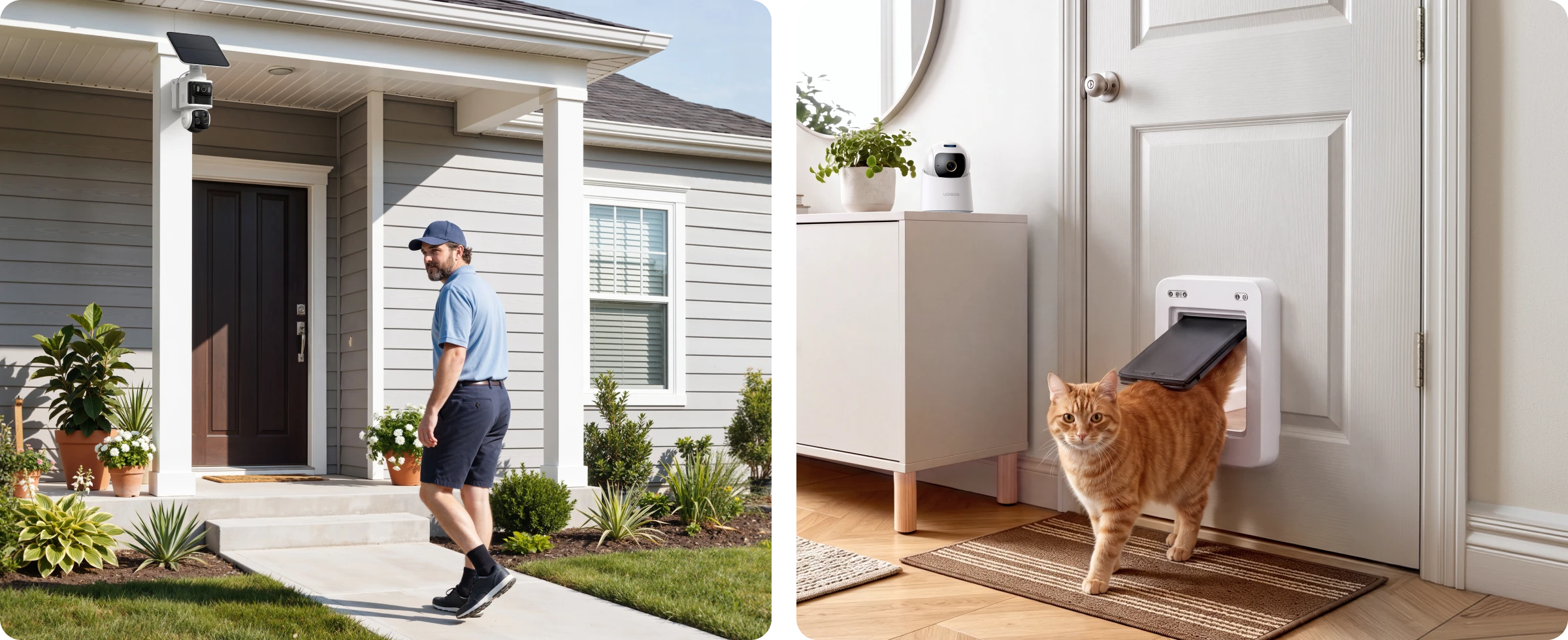
Pet detection is useful when it answers a specific question. Did the dog walker arrive? Did the new rescue dog settle after the door closed? Did the cat go through the flap? Did a nervous dog pace near the exit during a storm? Did a pet sitter open the right room at the right time?
Those are practical monitoring questions, and local video can reduce the amount of home footage sent to cloud services. It can also make multi-camera review less annoying if the AI search works well. For a household already building a local smart-home system, pet-aware alerts may be a useful bonus.
The risk is overbuying. “Where is my pet now?” sounds simple, but a fixed camera system is not the same as a GPS tracker on a collar. It can only see the spaces covered by cameras. It will not find a dog who slipped through a gate, a cat hiding outside camera view, or a pet behind a closed door unless another sensor covers that event.
Privacy checks before you point cameras at pet spaces
Pet areas often overlap with private human spaces: bedrooms, living rooms, kitchens, entryways and children’s play areas. Local processing helps only if the system also gives you clear controls. Before buying, read the privacy policy and product controls, then look for simple answers to basic questions.
Can you turn off audio recording? Can guest users see live video? Are clips encrypted? Are remote viewing sessions logged? Can you delete local footage easily? What happens if you sell or return the hub? Does the company use any cloud service for voice commands, remote access, crash logs or AI features?
UGREEN’s official page stresses local storage and local AI, while The Verge reported that some features such as push notifications and remote viewing still require internet access. That is not necessarily a flaw. It is just the kind of detail that belongs in the buying decision before cameras are installed in a room where people and pets live.
What to avoid
Avoid buying a local AI hub only because the demo recognizes pets. Demos happen in controlled spaces with good lighting, clear angles and hardware chosen by the manufacturer. Your hallway, litter room, crate corner or back door may be harder.
Avoid assuming local storage means no ongoing cost. Drives fail, memory fills, cameras may be sold as add-ons and some remote features can still require internet services. Also avoid placing cameras where pet monitoring turns into constant household surveillance without everyone in the home understanding the setup.
Finally, avoid using any pet-detection alert as a substitute for care. Cameras can show behavior, but they cannot decide whether a pet is sick, safe or comfortable. If a pet’s habits change, use the footage as context for a veterinarian, trainer or qualified behavior professional rather than as an answer by itself.
Quick answers
Is UGREEN HomeAgent a pet camera?
No. It is a local AI smart-home hub ecosystem. Pet detection depends on compatible cameras, placement, settings and the final supported device list.
Does local AI mean no internet is needed?
Not for every use. Local processing can keep more data at home, but reports from IFA note that remote viewing and push notifications still need internet access.
Is the early-bird price automatically a good deal for pet owners?
No. Compare the hub, cameras, storage, add-ons, shipping, taxes and preorder timing against the specific pet-monitoring problem you need solved.
Should I buy it for health alerts?
Only as a monitoring aid, not as medical judgment. Use clips to notice patterns and ask your vet about concerning changes.
Sources
- UGREEN AIoT, HomeAgent crowdfunding and product information: https://ai.ugreen.com/pages/ugreen-homeagent-crowdfunding
- The Verge, IFA 2026 hands-on report on UGREEN HomeAgent: https://www.theverge.com/tech/990006/this-nas-company-wants-to-run-your-local-smart-home
- Engadget, UGREEN smart-home ecosystem report: https://www.engadget.com/2250749/ugreen-smart-home-ecosystem-built-around-local-ai-hubs/
- T-Mobile T-Satellite service terms and limitations, useful context for connected pet-tech claims around off-grid alerts: https://www.t-mobile.com/coverage/satellite-phone-service
Sources last checked: September 6, 2026, 07:34 CEST, Europe/Rome.