
#cat supplies
#dog supplies
#pet bedding
#pet cleaning
#pet laundry sanitizer
Pet laundry sanitizer is worth buying only when you need a real disinfecting step, not just fresher-smelling blankets. For routine dog beds, cat blankets and washable covers, regular detergent and a complete dry cycle are often enough. The checkout mistake is paying for a “sanitizing” claim without checking the label, contact time, fabric limits and whether the item can be dried hot enough to disinfect safely.
That matters now because fall mud, flea-season cleanup, indoor shedding and more washable pet gear can push owners toward stronger laundry add-ons. Some products are useful, but the wrong one can leave residue, fragrance or wet disinfectant where a dog or cat sleeps, chews or grooms.
Why This Deal Looks Better Than It Is
A laundry sanitizer sounds like a simple upgrade: add it to pet bedding, kill germs and make the house smell cleaner. The problem is that “clean,” “odor control,” “sanitized” and “disinfected” are not the same buying promise.
The CDC separates cleaning from disinfecting. Cleaning removes dirt and germs with soap or detergent. Disinfecting uses chemicals to kill germs on surfaces, and it is an extra step for specific situations, not automatically required every time a blanket smells like dog.
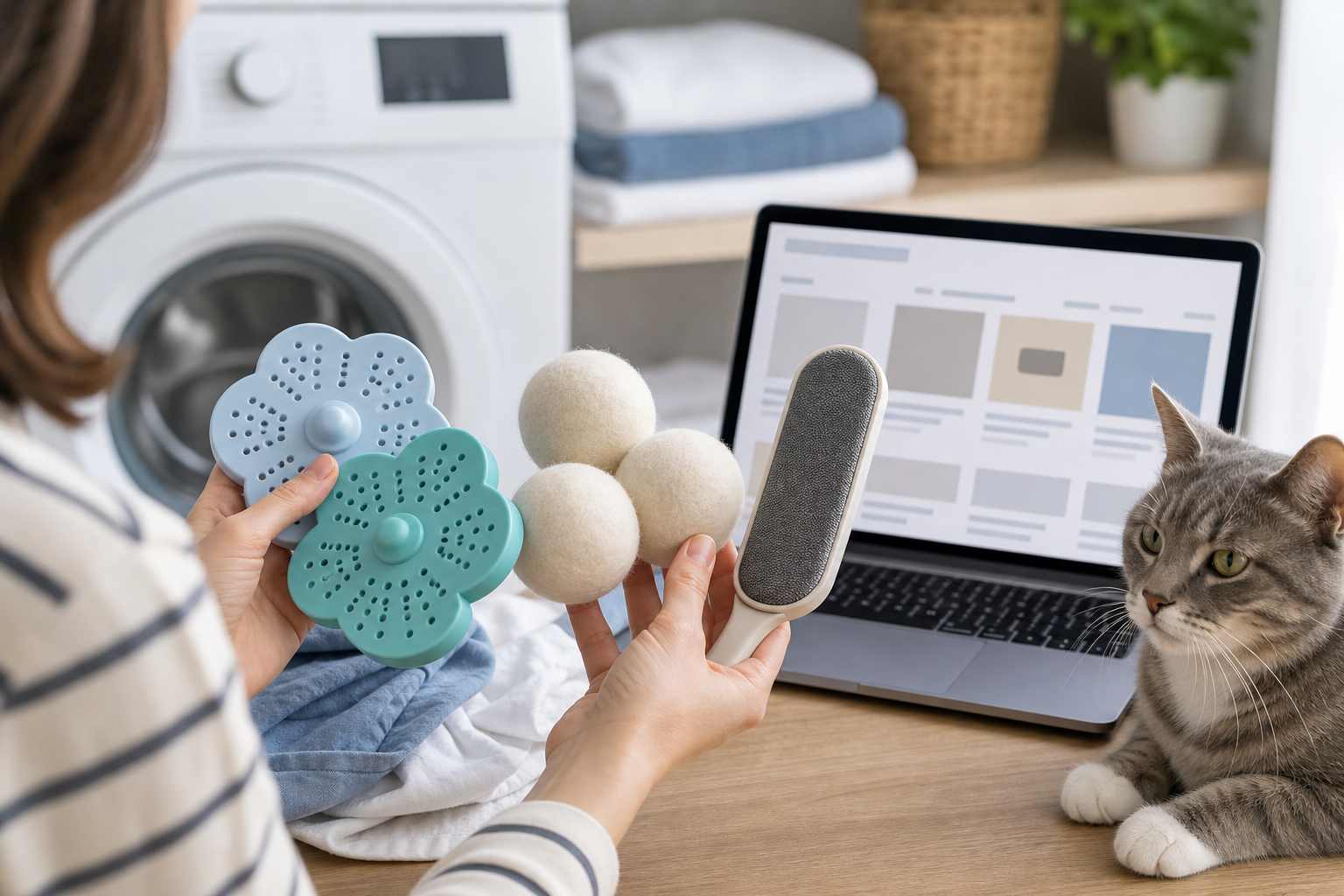
Before paying extra, ask what problem you are solving. A muddy bed cover needs detergent and drying. A plush toy that touched urine, feces or illness-related mess may need a disinfecting step if the care label allows it. A blanket with lingering perfume residue needs rinsing and a better detergent choice, not necessarily a stronger sanitizer.
When Sanitizing Pet Laundry Makes Sense
Sanitizing or disinfecting is most defensible when the item has been exposed to poop, pee, vomit, raw-food mess, sick-pet bedding or a household member who is more vulnerable to germs. The CDC also points to more frequent cleaning and disinfecting when people or pets in the home are more likely to get very sick from germs.
For soft items such as blankets, beds, clothes, plush toys and rope toys, CDC guidance says a washing machine and dryer can be used, and notes that disinfecting in the dryer requires the highest heat setting for 30 minutes. That is useful only if the item can tolerate that heat. A cheap bed that melts, shrinks or clumps in the dryer can turn a sanitizer deal into a replacement purchase.
For cats, be especially careful with disinfectant ingredients. CDC guidance warns cat owners not to use disinfectants with “phenol” in the ingredient list because phenols are very toxic to cats. If a label is hard to read or the active ingredient is unclear, skip it for pet bedding and choose a simpler washable routine.
The Checkout Checks Before You Add It
- Check the use site. The label should clearly support laundry, fabric or soft-item use. A hard-surface disinfectant spray is not automatically a pet-bed laundry product.
- Look for the EPA registration number if it makes disinfectant claims. EPA says registration numbers are the best way to identify registered disinfectant products and their approved label uses.
- Read the contact-time directions. EPA explains that disinfectants must be used according to the label, including keeping the surface wet for the required contact time when the label says so.
- Confirm rinse and dry instructions. CDC says many disinfectants are toxic when wet but safe once dry, and pets should stay away until treated items are fully dry.
- Check fragrance and dye. The CDC notes fragrance-free and dye-free detergents may be better for pets with sensitive skin. A strong scent can also make a bed less familiar to the pet who uses it.
- Match the product to the care tag. If the bed cover says cold wash and tumble dry low, do not assume it can handle hot disinfecting cycles.
Deal And Coupon Traps
The cheapest sanitizer bottle is not always the cheapest pet-laundry choice. Concentrated formulas, dosing caps, washer type, load size and the number of rinse cycles can change the real cost per wash.
Before using a coupon, compare the treated-load count, not just the bottle size. Check whether the offer requires Subscribe & Save, Autoship or a multi-pack you may not finish. Also verify shipping thresholds and return rules in the cart, because leaked liquids, heavy cleaners and third-party marketplace listings can have different return paths than normal pet toys or food.
Do not trust a coupon page that claims a sanitizer is “pet safe” without label support. The safer phrase is usually more boring: use exactly as directed, keep pets away while wet, rinse when directed and let the item dry fully before it goes back to the bed, crate or cat tree.
What To Avoid
- Do not mix bleach with ammonia or other cleaners. CDC warns this can create dangerous toxic gases.
- Do not leave laundry pods, liquids, dryer sheets or fabric softeners where pets can reach them. ASPCA lists laundry detergents, pods, dryer sheets and fabric softeners as household products that can cause serious problems if pets ingest them.
- Do not put a wet disinfected blanket back in a crate because it smells clean. CDC says pets should not lick, touch or be close to disinfectants while they are wet.
- Do not use a strong scent to hide a recurring skin, urine or digestive issue. Clean the item, then ask your vet if the mess is unusual, repeated or linked to behavior changes.
- Do not disinfect everything every wash if regular detergent and drying solve the problem. Overbuying harsher products can add cost and residue without improving the pet’s daily comfort.
A Simple Pet-Laundry Buying Framework
For ordinary weekly washing, start with washable covers, regular detergent, careful rinsing and a full dry. Choose fragrance-free and dye-free options when your pet has sensitive skin or avoids strongly scented bedding.
For messes involving waste or illness, treat disinfecting as a label-driven process. Pre-clean visible soil, follow the product directions, use the right water temperature or dryer heat for the fabric, and keep pets away until everything is dry. If the item cannot be cleaned properly, the CDC says items that cannot be cleaned should be thrown away when they look dirty.
For beds with foam inserts, check whether only the cover is washable. A sanitizer that works on a removable cover does not rescue a foam core that holds urine, odor or cleaner residue. In that case, a replacement cover, waterproof liner or new bed may be the cleaner purchase.
Quick Answers
Do I need pet laundry sanitizer every week?
Usually no. For routine bedding and blankets, detergent and proper drying are often the practical first step. Use disinfecting products when the mess, household risk or label instructions justify the extra step.
Is bleach safe for pet bedding?
Only if the item and label directions allow it. ASPCA notes diluted bleach can be used for some pet toys and kennels when it is properly diluted, thoroughly rinsed and the odor has dissipated before pets return. For fabric bedding, follow the laundry care tag and disinfectant label.
Are scented laundry boosters a good pet deal?
Not automatically. A scent can make bedding smell fresher to people while irritating some pets or making the bed less familiar. Prioritize cleaning performance, rinseability and label clarity over perfume.
Sources
Sources last checked: September 9, 2026, 13:35 CEST, Europe/Rome.