
#dog toy deals
#pet toy safety
#water bead toys
A cheap squishy toy is not a safe shortcut for a dog or cat toy just because it looks soft. The newest CPSC water-bead recalls involve children’s squeeze toys, not pet toys, but the shopping lesson is direct: if a toy can tear, leak, shed beads, or hide an unknown filling, it does not belong in a pet cart. Buy toys made for your pet’s size and chewing style, and skip novelty items when the seller cannot clearly explain the materials.
The current hook is a September 3, 2026 CPSC recall and warning wave around squishy toys that contain water beads. Pet owners see similar soft, glittery, food-shaped and squeaky items in online marketplaces, discount bins and seasonal aisles, especially as fall gift and Halloween shopping starts. The recalled items are regulated as children’s toys, so this article is not saying your pet toy has been recalled. It is saying the same checkout mistake can happen when a shopper treats a cheap human novelty toy as “good enough” for a dog or cat.
Why This Matters Before You Add a Toy to the Cart
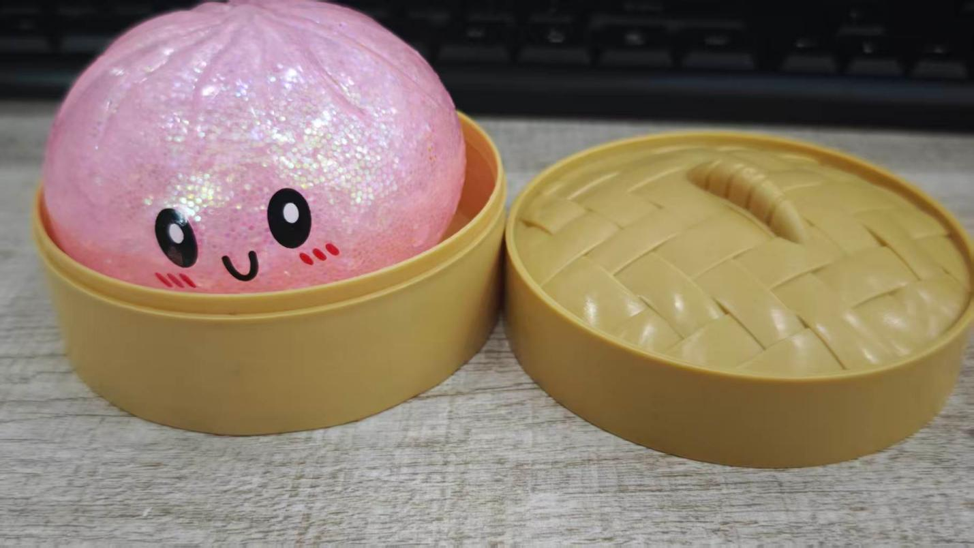
CPSC said the recalled GIHNJSI Squeezy Dumplings toys contain water beads. If swallowed, those beads can expand and create ingestion, choking and intestinal obstruction hazards. The agency listed about 8,000 recalled units, sold on Amazon.com from May 2026 through June 2026 for about $20.
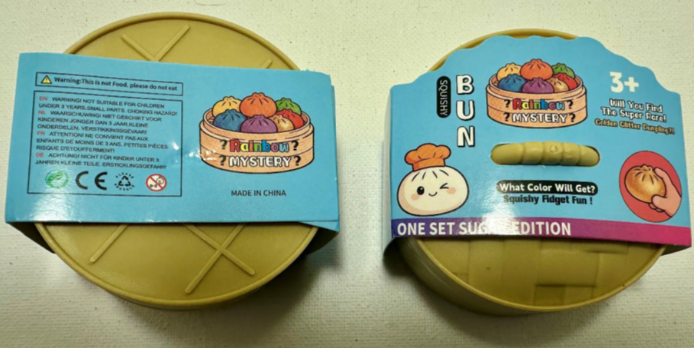
CPSC also warned consumers to stop using Ivyapingdianpu Squishy Bun toys, which the agency said violate the mandatory safety standard for toys containing water beads. Those squishy bun toys were sold online at Amazon.com in June 2026 and may also have appeared through third-party sellers and other websites, according to CPSC.
The pet-shopping risk is not complicated. Dogs may chew through soft shells to reach squeakers, stuffing, beads or gel. Cats may bat, puncture or carry small novelty pieces. Texas A&M veterinary guidance says pet toys should fit the animal’s size and strength, and it notes that swallowed squeakers, stuffing, string and broken toy pieces can create serious problems. Humane World for Animals gives similar practical advice: keep children’s toys and other inedible objects away from dogs, buy appropriately sized toys and discard toys once they tear or break apart.
The Checkout Check for Squishy, Squeaky and Novelty Toys
Before buying a soft toy for a dog or cat, slow down on five details.
- Purpose: Is it clearly sold as a dog or cat toy, or is it a children’s fidget, party favor, desk toy or seasonal decoration?
- Filling: Does the listing mention water beads, gel, liquid, sand, pellets, beans, glitter particles or an unknown “sensory” filling?
- Size: Could your pet fit the whole item, a loose piece, or the squeaker in their mouth?
- Seller: Is there a real brand, importer, contact information, return path and clear product description?
- Use case: Is the toy built for chewing, supervised fetch, gentle carrying, cat batting, or only human squeezing?
If the product page is vague, skip it. A pet toy deal is only useful if the item can survive the way your pet actually plays. “Soft” is not the same as digestible, chew-resistant or safe for unsupervised use.
When the Deal Is Not Really a Deal
Cheap multipacks and marketplace coupons are where this mistake often starts. A low price can make a buyer overlook missing brand details, odd translations, generic photos, no safety information or reviews that describe leaking, tearing or a strong odor. Those are not small annoyances when the product will be chewed, tossed, carried or left on the floor.
For dog and cat toys, verify the final cart, not just the product tile. Check the seller name, return window, shipping time, material notes, size chart and whether the toy is meant for heavy chewers. If a listing uses phrases such as “for kids and pets,” “sensory toy for all ages,” or “cute pet gift” without pet-specific size and material guidance, treat that as a reason to leave it out of the cart.
Do not buy a human squishy toy as a cheaper substitute for a pet chew toy. Do not assume an online marketplace has already screened every third-party toy for your pet’s behavior. If you are buying a toy for a dog who destroys plush items, pay more attention to construction than discount size.
What to Avoid
Avoid water-bead, gel-filled, liquid-filled or sand-filled squishy toys around pets. Avoid toys with loose glitter particles, removable labels, easy-tear seams, glued-on eyes, bells that can break free, strings on cat toys that will be left out, or tiny squeakers in soft toys for strong chewers.
Also avoid “mystery” toy bundles when you cannot inspect the contents before buying. Mystery packaging can be fun for humans, but it is a weak format for pet shopping because size, filling and durability matter more than surprise. If the toy arrives and feels oily, sticky, unusually soft, badly printed, strongly scented, leaking or easy to puncture, do not give it to your pet.
If your pet has swallowed part of any toy, contact your veterinarian or a pet poison helpline for case-specific guidance. This article is shopping guidance, not diagnosis or treatment advice.
Safer Buying Rules for Dogs and Cats
For dogs, match the toy to the mouth size and chewing style. A toy that works for a gentle senior dog may be a bad match for a young power chewer. Supervise new squeaky and plush toys until you know whether your dog tries to pull out the squeaker or shred the seams.
For cats, look hard at strings, feathers, bells and small removable parts. Wand toys and string toys are better stored between play sessions, especially in multi-pet homes where a dog may steal a cat-sized toy. If a cat toy has a refill, battery, pouch or pocket, make sure it cannot open during play.
For both species, rotate toys instead of dumping a full basket on the floor. Fewer available toys make it easier to notice missing pieces, torn fabric, loose squeakers or leaking filling before they become a problem.
Quick Answers
Were pet toys recalled in this CPSC alert?
No. The September 3 CPSC recall and warning discussed here are about children’s squishy toys. The pet-owner takeaway is to avoid using human squishy toys as pet toys, especially when they contain water beads or unknown fillings.
Are all soft dog and cat toys unsafe?
No. Many pets do well with soft toys when the size, stitching and use match the animal. The problem is buying a soft human novelty item, or a flimsy pet toy, for an animal that chews through materials quickly.
Should I throw away every squeaky toy?
No. Squeaky toys need supervision and inspection. If your pet tries to reach the squeaker, tears the shell, swallows fabric or pulls out stuffing, choose a different toy style and ask your vet what is appropriate for your pet.
What is the best deal check?
Ask one practical question: would this still look safe if the price badge disappeared? If the answer is no, the discount is doing too much of the selling.
Sources
Sources last checked: September 9, 2026, 16:34 CEST, Europe/Rome.
- U.S. CPSC, GIHNJSI Squeezy Dumplings Toys recall
- U.S. CPSC, Ivyapingdianpu Squishy Bun Toys safety warning
- U.S. CPSC, fake and counterfeit squishy toy safety alert
- U.S. CPSC, Water Bead Toys Business Guidance
- Texas A&M Veterinary Medicine & Biomedical Sciences, Hidden Hazards: A Guide To The Potential Dangers Of Pet Toys
- Humane World for Animals, How to Pick the Best and Safest Dog Toys