
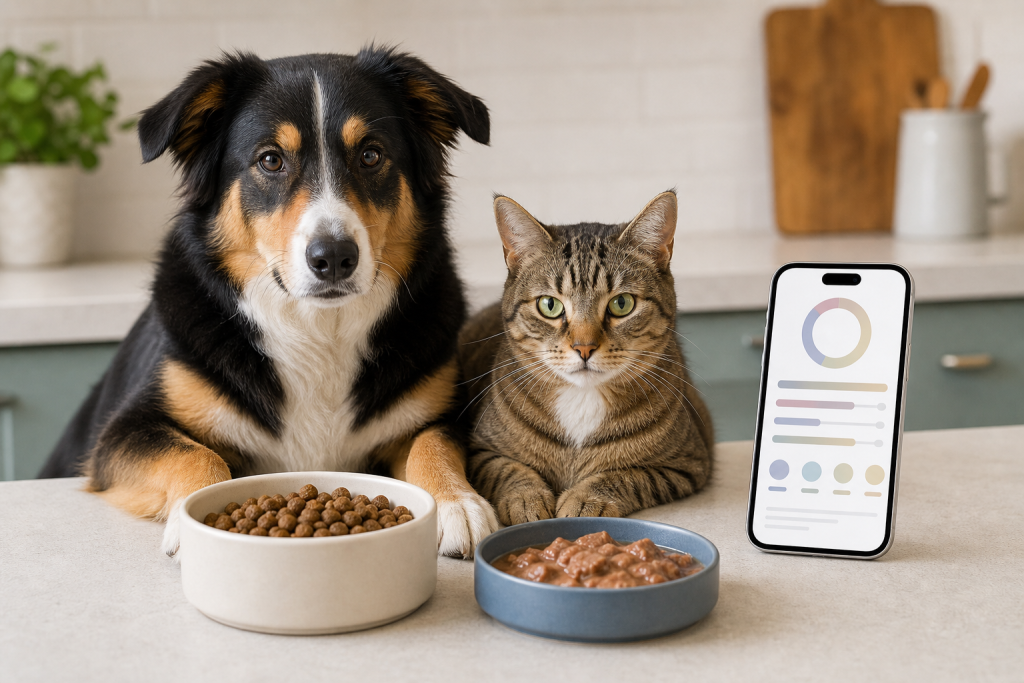
#pet food cost
#pet food deals
#pet food labels
A cheap pet food deal is only cheap if the daily feeding amount still works for your dog or cat. Two bags can have similar prices and weights, but the one with fewer calories per cup may require a larger daily portion and run out faster. Before you stock up, compare the calories per familiar unit, the feeding directions and your pet’s actual needs, not just the sale badge.
That check matters right now because pet owners are being pushed toward more value-minded carts. A recent Wall Street Journal report said Chewy expects pressure as shoppers pull back on discretionary pet purchases such as treats, while essentials like food remain harder to skip. When the budget is tight, a lower shelf price can be useful, but only after you know how many days the bag or case should cover.
Why the Bag Price Can Mislead You
Pet food labels are built around more than the front-of-bag promise. AAFCO explains that pet food labels should include required details such as the species, quantity statement, guaranteed analysis, ingredient statement, nutritional adequacy statement and feeding directions for most complete and balanced foods. Those details are easy to miss online because shoppers often see a hero photo, flavor name, star rating and sale price first.
The hidden cost shows up when you compare food by day instead of by pound. A larger bag may still be a poor buy if the serving guide points to more cups per day for your pet’s weight and activity level. A smaller bag may last longer than expected if it is more calorie-dense and your veterinarian agrees that the portion fits your pet. The point is not to chase the highest-calorie food. It is to avoid paying for a food that looks cheaper only because the comparison is incomplete.
The Label Line to Find Before Checkout
Look for the calorie statement. AAFCO says calorie content should appear under a heading called “Calorie Content” and should be expressed as kilocalories per kilogram and as kilocalories per familiar unit, such as per cup, can or biscuit. That familiar unit is the useful shopping number because it connects the label to the amount you actually scoop, open or serve.
Then read the feeding directions. AAFCO says feeding directions are required for most pet food products that claim to be complete and balanced, and FDA guidance tells shoppers to check the nutritional adequacy statement to see whether a food is meant to meet a pet’s nutritional needs. If the product is a treat, topper or supplemental food, do not compare it like a complete daily diet.
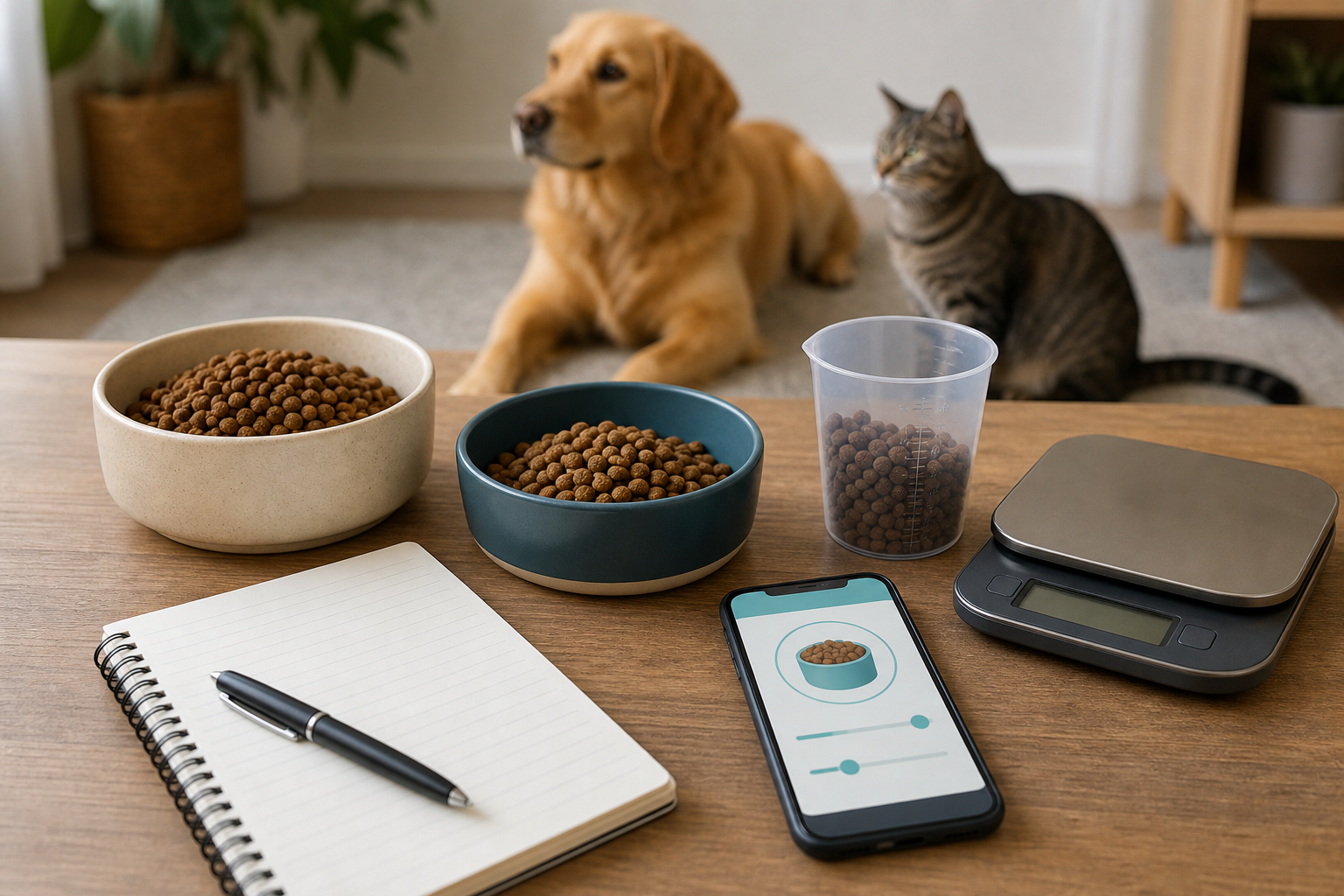
A Simple Cart Math Check
Use this quick method before buying a new bag, case or subscription:
- Write down the price after discounts, shipping fees and any required subscription terms.
- Find the calorie content per cup, can, pouch or tray.
- Read the feeding guide for your pet’s weight, life stage and activity level.
- Estimate how many servings the package provides at that daily amount.
- Compare the cost per day with your current food, not just the price per pound.
For example, if one dry food costs less per bag but asks you to feed noticeably more cups per day, the savings may shrink fast. If a wet food case has fewer cans but each can covers more of the day, the case price alone may make it look worse than it is. Keep the math practical. You are not building a veterinary diet plan, you are checking whether the checkout price reflects the amount your pet is likely to eat.
What to Verify Before You Switch Foods
Do not let calorie math override nutrition. FDA says the “complete and balanced” statement helps shoppers identify whether a pet food is intended to meet nutritional needs. AAFCO notes that the nutritional adequacy statement is key to matching a food with the pet’s life stage. A puppy food, kitten food, adult maintenance food and all-life-stages food are not automatically interchangeable just because one is on sale.
If your pet is on a veterinary diet, has a medical condition, is gaining or losing weight unexpectedly, or has a sensitive stomach, ask your veterinarian before switching. The safest deal may be a smaller trial bag, one case, or a returnable order rather than a bulk buy that forces a sudden change.
Deal and Coupon Checks That Matter
Pet food discounts often stack awkwardly. A first-order coupon, autoship price, clipped marketplace coupon, loyalty points offer or free-shipping threshold can make the first cart look better than the repeat cart. Before paying, check whether the discount applies only to the first delivery, whether the reorder price changes, whether the flavor or bag size is excluded, and whether returns are limited once food is opened.
Also check seller identity on marketplaces. If the price is far below the usual range, look for the brand, lot information, expiration date visibility, seller rating and return process. Do not buy damaged, expired, unlabeled or repackaged food to save a few dollars. For pet food, a deal that creates storage, freshness or traceability problems is not a useful deal.
What to Avoid
Avoid switching only because a food says premium, natural, human-grade, high-protein or limited-ingredient on the front. Those terms do not replace the nutritional adequacy statement, calorie content, ingredient list and feeding directions. Avoid comparing wet food and dry food by weight alone, because moisture changes the math. AAFCO specifically cautions that canned food has fewer calories per kilogram as fed than dry food because of its high moisture content.
Do not use a lower-calorie food as a weight-loss plan without veterinary guidance. AAFCO says calorie content should not be the sole consideration for purchase, and individual calorie needs vary by age, weight, activity and condition. If your pet needs to lose or gain weight, a veterinarian can help set a target and monitor progress.
Quick Answers
Is price per pound useful for pet food?
It is useful, but incomplete. Price per pound tells you what the package costs by weight. Cost per day tells you whether the package will actually last after you follow the feeding guide.
Should I buy the most calorie-dense food to save money?
No. Higher calorie density can make a package last longer, but it may not be right for your pet’s life stage, weight or health. Use the calorie statement as a comparison tool, not as the only reason to buy.
Can I trust online feeding calculators?
Use them as rough shopping tools only. Your pet’s body condition, activity, age and health history matter, so ask your veterinarian if the amount seems very different from what your pet currently eats.
When is a smaller pet food deal smarter than bulk?
A smaller order is smarter when you are changing formulas, testing a new texture, dealing with a picky eater, or unsure whether the return policy covers opened food.
Sources
Sources last checked: September 15, 2026, 13:33 CEST, Europe/Rome.