
#AI shopping
#Amazon pet deals
#pet shopping mistakes
The mistake is letting an AI deal alert, price summary or Auto-Buy setting decide that pet food, litter, treats or smart pet gear is worth buying before you check the boring details. Amazon says its Prime Big Deal Days AI tools can track prices, suggest deals and even complete a purchase at a target price, but those tools do not replace unit-price math, freshness checks, subscription settings or return-term review. For pet owners, the safest use is as a shortlist maker, not as the final checkout decision.
That matters now because Amazon has confirmed Prime Big Deal Days for October 6 to 7, 2026, and its own retail news page is promoting AI shopping features for finding and tracking deals during the event. Pet supplies are repeat purchases, so a bad “deal” can repeat every month if it turns into the wrong Subscribe & Save order, a poor refill match or a product your pet will not use.
Why this pet deal mistake is easy to make
AI shopping features are useful because they reduce search work. Amazon says Alexa for Shopping can set deal alerts, create price alerts, show price history on many product pages, answer shopping questions in search and surface recommendations based on lists, browsing and past purchases. Those are helpful tools when you are comparing litter, flea supplies, bowls, filters, beds or a pet camera.
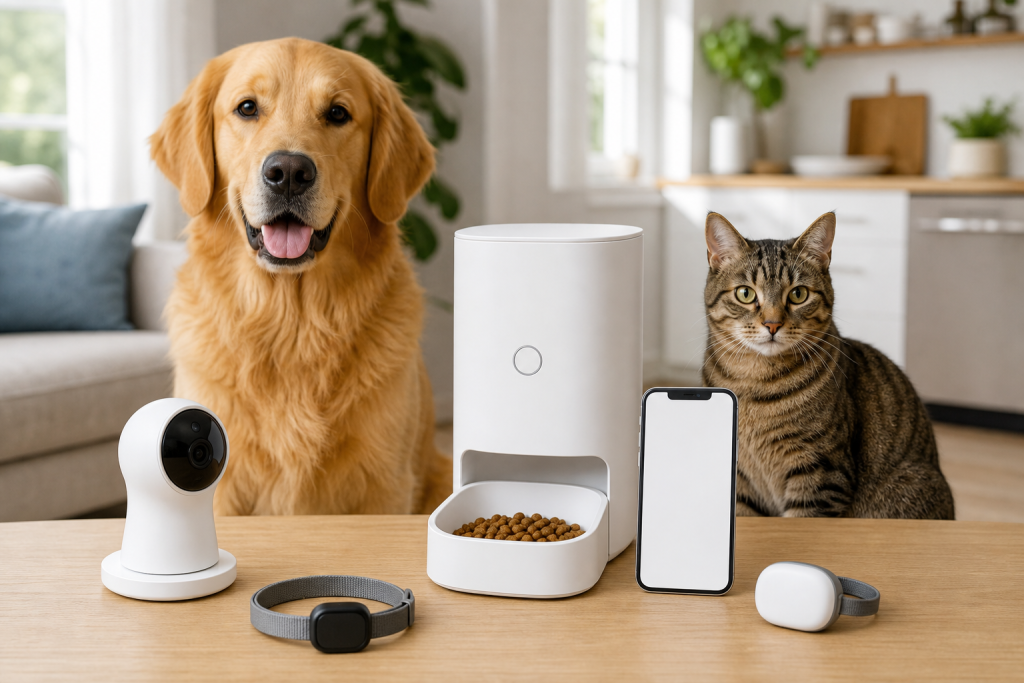
The risk is that pet products have constraints that a general deal prompt may not weigh the way an owner should. A cheaper bag of food can be the wrong formula or too large to finish before it goes stale. A discounted litter may be the wrong texture for your cat. A smart feeder or camera can look cheaper until you add cloud storage, replacement parts, batteries, filters or app-only controls.
Use AI for discovery, then run your own pet-cart checks
Start with the product your pet already uses successfully. Ask the shopping tool to find a deal on that exact brand, size, flavor, model number or refill type, then open the product page yourself and confirm the details. If the result is only “similar,” treat it as a different product, especially for food, litter, medication-adjacent supplies, grooming tools and app-connected devices.
- For food and treats: compare cost per ounce, serving guidance, calories and package size. Check that the formula, life stage and flavor match what your pet already tolerates.
- For litter: check material, scent, dust claims, clumping style, bag weight and whether it works with your box type. Automatic boxes can require specific litter textures.
- For flea and tick products: check species, weight range, age range and whether your veterinarian has recommended that active ingredient for your pet.
- For smart pet gear: check whether the product works without a subscription, what features require a plan, whether it supports your Wi-Fi setup and how replacement parts are sold.
- For beds, crates and carriers: measure your pet and compare the listing dimensions, not just the product photo or weight suggestion.
Be careful with Auto-Buy on pet essentials
Auto-Buy can be convenient for a repeat product you already trust, but it is risky for anything with a fit, freshness or compatibility question. Do not use it for a new food, new litter, first-time supplement, untested chew, prescription-adjacent item, carrier or smart device unless you have already checked the exact listing and are comfortable with the order completing without another look.
If you do use a target-price alert, set it for a known item and review your default shipping address, payment method and quantity. A discount is not helpful if it buys two oversized bags your pet will not finish, a refill that fits a different model or a case of cans you cannot return after opening.
The Subscribe & Save trap in pet carts
Pet food, litter, waste bags, pads and filters often appear in repeat-order programs. Before accepting a recurring order, check the first-order savings separately from future deliveries, the shipment interval, the exact size, whether the product is eligible for future discounts and how easy it is to cancel or adjust the subscription. Do the math on the second shipment, not just the first checkout screen.
For pet food, also ask whether the reorder speed fits your actual use. The FDA recommends keeping dry pet food in its original bag or saving the UPC, lot number, product name, manufacturer and best-by date if you move it to another container. Buying too much at once can make freshness and recall tracking harder, even when the per-bag price looks better.

Review summaries are not enough for pet safety
AI summaries can help you spot repeated praise or complaints, but they should not be your only review check. The FTC warns that consumers rely on reviews and that fake reviews, manipulated rankings and pay-to-play comparison placements can distort what shoppers see. For pet products, scan recent low-star reviews for issues that matter more than average rating: broken latches, confusing size charts, battery failures, sharp edges, strong odor, leaking packaging, missing parts or poor app support.
Be especially cautious when a listing has a dramatic discount, a vague brand name and a flood of generic praise. That does not prove the item is unsafe, but it is a reason to slow down before putting it near your pet’s food, mouth, skin, crate, bed or litter box.
Deal and coupon checks before you pay
Do not assume an AI recommendation found the lowest final price. Before paying, check the unit price, clipped coupon, delivery date, seller name, return details, Subscribe & Save setting and whether the product is sold by Amazon, the brand or a third-party seller. If a coupon applies only to one flavor, one count or one first shipment, calculate the regular reorder cost before you stock up.
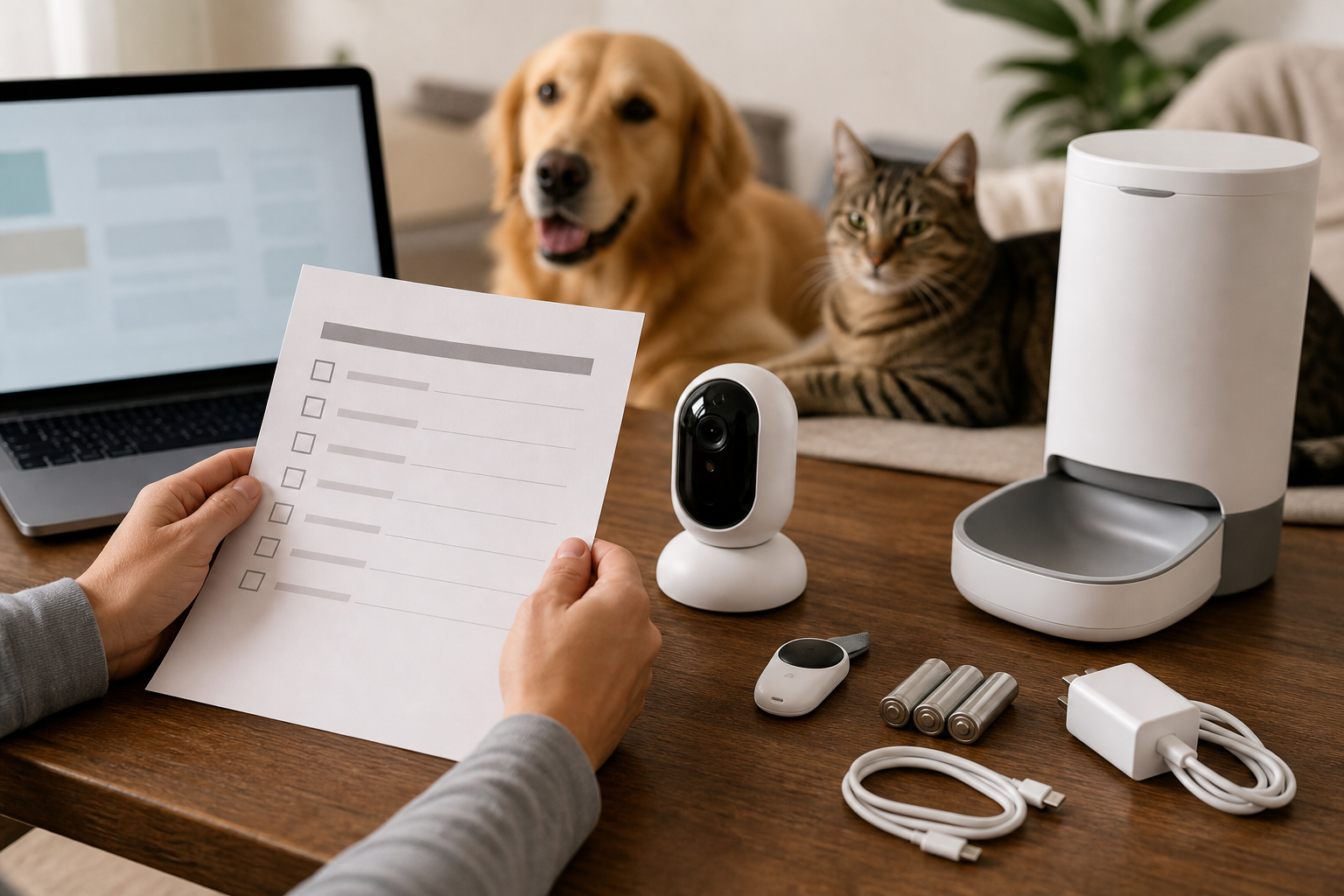
For pet tech, add the subscription and parts bill before deciding that the deal is real. A camera, feeder, tracker, fountain or automatic litter accessory can need storage plans, filters, desiccant bags, batteries, collar tags, liners, power adapters or paid app features. A lower checkout price can still lose if the recurring parts are expensive or hard to find.
What to avoid
- Do not let an auto-buy trigger purchase a new food or treat your pet has never tried.
- Do not switch flea, tick or supplement products based only on a sale badge. Ask your veterinarian if the choice affects your pet’s health, age, weight, species or medications.
- Do not buy a pet camera, feeder or tracker until you know which features work without a paid plan.
- Do not buy bulk food unless you can store it cool, dry and secure, with lot and best-by details preserved.
- Do not trust a review summary if recent reviews show fit, safety, odor, battery, app or packaging complaints.
Quick answers
Should pet owners use Amazon AI shopping tools?
Yes, but only for search, alerts and comparison prompts. Use them to find candidates, then verify the product page and cart yourself.
Is Auto-Buy safe for pet supplies?
It is safest for exact repeat items you already use and understand. Avoid it for new foods, health-adjacent products, size-sensitive gear and app-connected devices.
What is the fastest pet-cart check?
Confirm the exact item, unit price, quantity, seller, delivery date, return terms, subscription setting and any recurring refill or app cost.
Sources
Sources last checked: September 16, 2026, 22:33 CEST, Europe/Rome.
- Amazon, 8 Amazon AI features to help you find the best deals this Prime Big Deal Days.
- Amazon, Prime Big Deal Days 2026 starts October 6: what shoppers need to know.
- Amazon Subscribe & Save information page.
- FDA, Proper Storage of Pet Food & Treats.
- FDA, Tips for Safe Handling of Pet Food and Treats.
- FTC, Soliciting and Paying for Online Reviews: A Guide for Marketers.