
#free feeding
#gravity pet feeders
#pet food portions
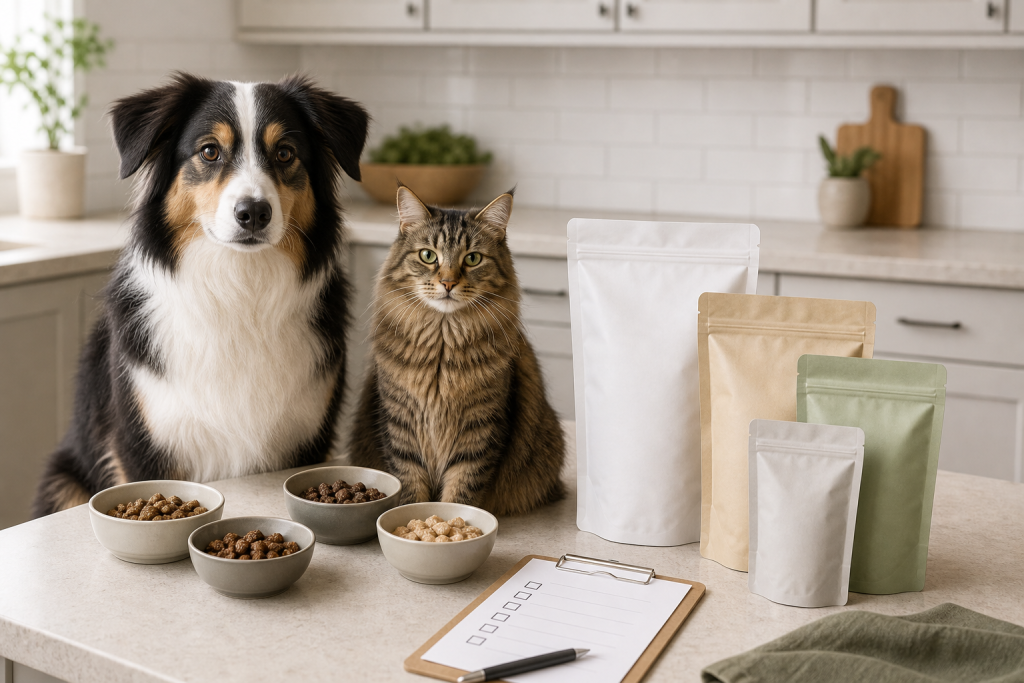
A gravity pet feeder looks like a cheap convenience buy, but it can quietly turn one discount bag of kibble into a free-feeding problem. The feeder does not measure meals, stop a greedy pet, separate cats from dogs or tell you when a pet has eaten too much. Before you buy one, check whether your pet can safely self-regulate food and whether the feeder will actually save time without raising your food bill.
Gravity feeders are showing up in current pet-supply deal searches because they seem simpler than app feeders: no Wi-Fi, no batteries, no subscription and no schedule to program. That simplicity is the appeal. It is also the catch, because the device keeps food available as long as kibble can slide into the bowl.
Why this matters now
Pet owners are comparing low-cost feeders as grocery, litter and treat costs stay high, and gravity feeders often sit next to smart feeders in online search results. The lower checkout price can look persuasive if you just want fewer refills during workdays or short absences.
The buying decision is not really “gravity feeder or smart feeder.” It is whether your pet’s normal feeding plan works with food being available more often. Cornell’s canine obesity guidance lists free-choice feeding as one common feeding pattern linked with excess weight in dogs, while VCA notes that dogs that overeat may do better with meal feeding and portion control. The FDA also tells owners to talk with a veterinarian about how much food a dog or cat should eat for its life stage.
The mistake: treating capacity like portion control
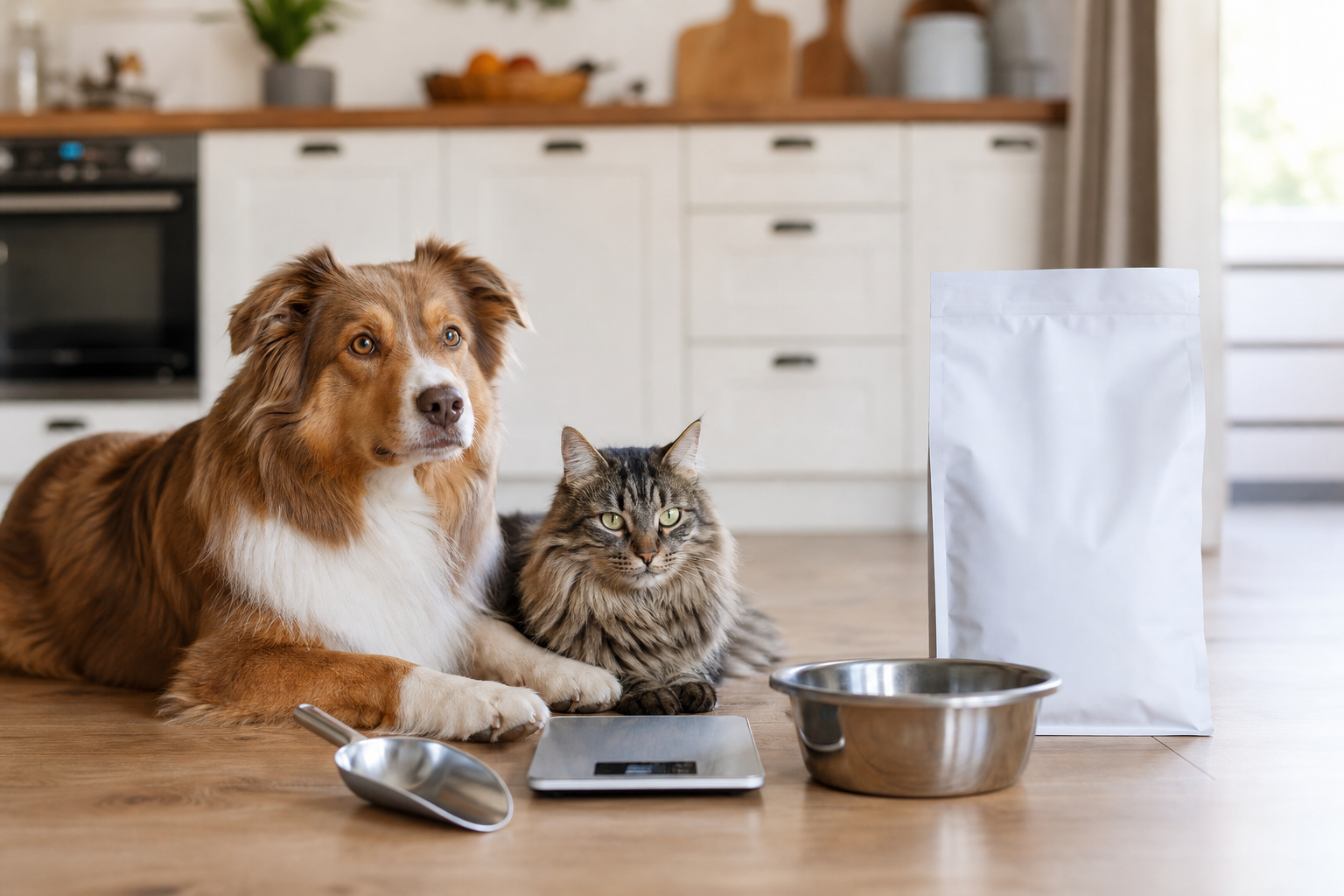
A big hopper can be useful for storage, but it is not a meal plan. A feeder that holds several pounds of kibble can still deliver too much food if the bowl stays full, if one pet eats from another pet’s station or if a bored pet grazes all day.
Before checkout, compare the feeder’s capacity with your pet’s measured daily serving. If the feeder holds four days of food for one cat but your cat should not free-feed, the capacity is not a benefit. It is a bigger mistake waiting on the floor.
Multi-pet homes need an extra check. A gravity feeder cannot tell which pet is eating. If the dog raids the cat food, or one cat blocks another cat, the deal may create a food-control problem instead of solving a refill problem.
What to check before buying
Feeding style: Use a gravity feeder only when your veterinarian’s feeding plan and your pet’s habits make free access reasonable. If your pet is overweight, food-obsessed, on a veterinary diet or eating measured portions for a health reason, ask your vet before switching.
Kibble flow: Read the listing for kibble-size limits, chute shape and anti-jam claims. Large, flat, oily or irregular kibble may bridge inside the hopper, while tiny kibble may pour too freely.
Cleanability: Look for a removable hopper, a bowl you can wash thoroughly and a shape that does not trap crumbs in seams. FDA safe-handling guidance for pet food emphasizes washing pet food dishes and utensils, so a feeder that is hard to take apart can erase the convenience.
Footprint and stability: Cheap feeders can tip, slide or sit awkwardly in small kitchens. Check the base width, bowl height and whether a larger dog can nudge the hopper loose.
Return terms: A feeder may look fine in the box and fail only after your pet ignores it, knocks it around or empties it too quickly. Keep the packaging until you know it works in your home.
The deal math owners miss
A gravity feeder can make a pet-food deal look better because it pairs naturally with buying bigger bags. That only saves money if the food stays fresh, the bag is used before its best-by date and your pet does not start eating more than planned.
Do the math by day, not by bag. Divide the bag’s usable servings by your pet’s measured daily amount, then ask whether the feeder encourages more grazing. If the feeder makes a 30-day bag disappear in 24 days, the feeder is not saving money even if the original product was discounted.
Also check whether the feeder requires a specific bottle, bowl insert or replacement part. Many gravity feeders are inexpensive because there is not much hardware, but replacement bases, cracked hoppers or missing lids can still turn a bargain into a rebuy.
When a gravity feeder makes sense
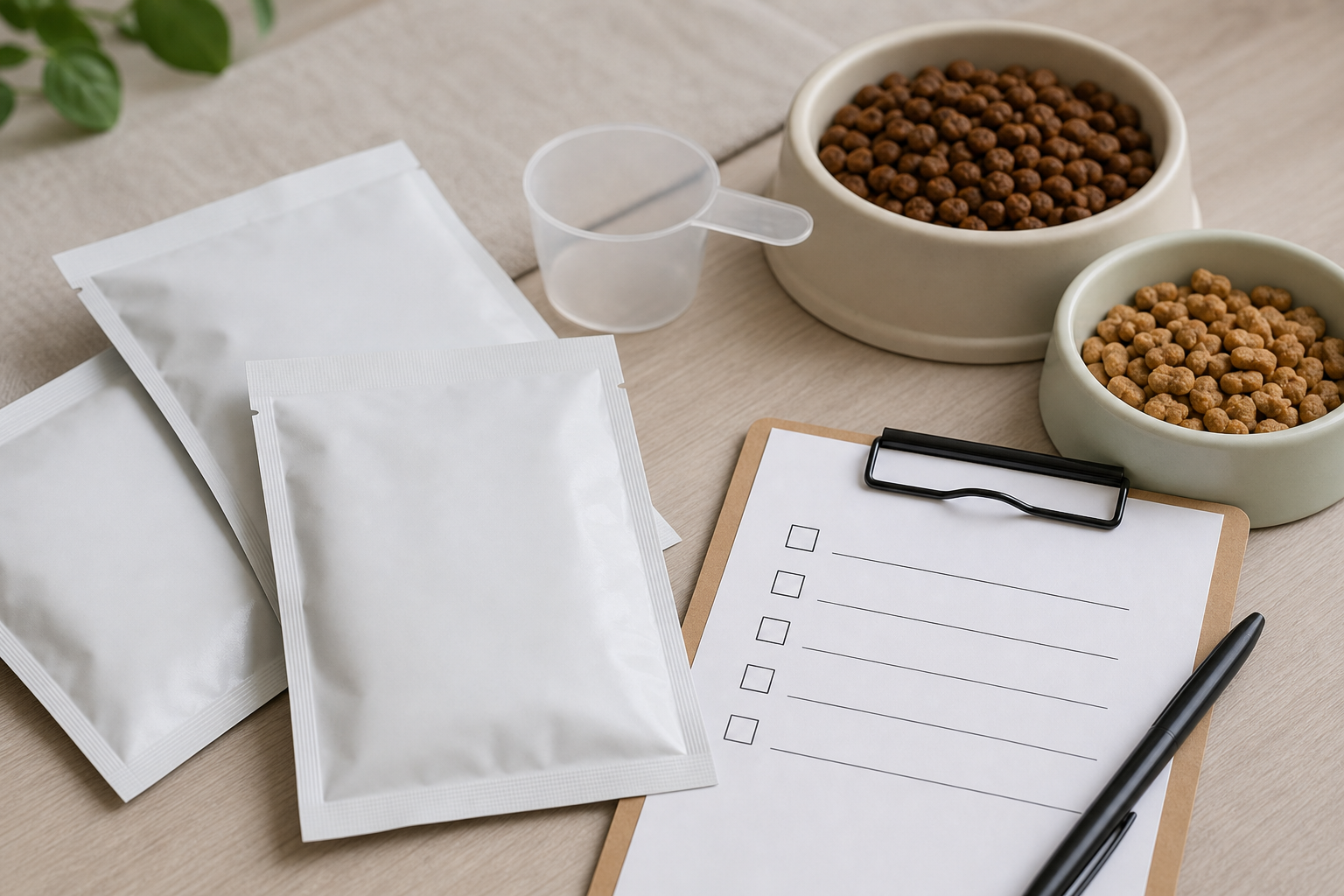
A gravity feeder can be a practical buy for a pet that reliably maintains a healthy body condition, eats dry food calmly and needs a simple backup for routine refills. It can also work as a supervised convenience tool for certain cats that prefer small frequent meals, as long as the owner still knows how much food is disappearing each day.
It is less suitable for pets that inhale food, steal food, need exact portions, eat prescription or therapeutic diets, or live with other pets on different diets. In those cases, a measured bowl, puzzle feeder, timed feeder or separate feeding space may be a better purchase.
Coupon and checkout checks
If a gravity feeder is on sale, verify the size and model before paying. A small feeder may be cheaper but require constant refilling, while a huge feeder may keep too much food exposed in a humid room.
Check whether the coupon applies to one unit, a food-and-water bundle or only a specific color. Do not assume the waterer and feeder in a set have the same cleaning needs. A previous water-dish problem does not become safer because the food side of the bundle is discounted.
If you buy from a marketplace seller, review the return window, seller name, replacement-part availability and recent reviews for jamming, tipping and difficult cleaning. Treat “automatic” as a convenience word, not proof that the feeder controls portions.
What to avoid
Avoid buying a gravity feeder to replace a vet-recommended feeding plan. Avoid using it with a pet that has already gained weight from grazing. Avoid filling it with more food than you can track. Avoid putting it where ants, moisture or another pet can reach it.
Also avoid using it as your only absence plan for more than a short routine gap. Food access is only one part of pet care. Water, litter, medication, temperature, supervision and emergency backup still matter.
Quick answers
Is a gravity feeder the same as an automatic feeder?
No. A gravity feeder refills the bowl as food drops down. It does not usually schedule meals or measure portions.
Are gravity feeders bad for cats?
Not automatically. Some cats can handle free access, but others gain weight or compete with housemates. Use your cat’s body condition, eating habits and vet guidance as the deciding factors.
Can a gravity feeder save money?
Only if it does not increase daily food use, waste food or force a replacement purchase. Measure the food before and after you switch.
Should I buy a food-and-water gravity bundle?
Only if both pieces fit your routine. The food side is a portion question, while the water side is mostly a cleaning and freshness question.
Sources
Sources last checked September 29, 2026, 13:34 CEST, Europe/Rome.
- Cornell University College of Veterinary Medicine, Obesity and weight loss in dogs.
- VCA Animal Hospitals, Feeding a Dog Who is a Glutton.
- ASPCA, Dog Nutrition Tips.
- FDA, Is My Dog or Cat a Healthy Weight? Important Questions to Ask the Vet.
- FDA, Tips for Safe Handling of Pet Food and Treats.
- Chewy, example gravity feeder shopping surface, used only for current retail context.