
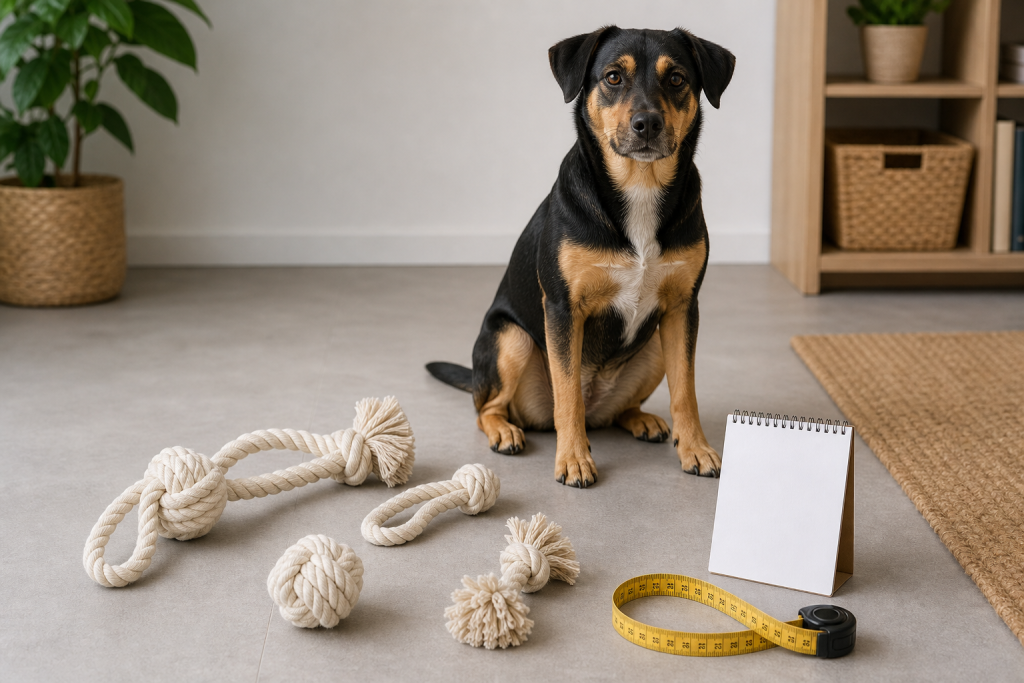
A cheap rope toy is only a good buy if your dog uses it for supervised tug, fetch or short play sessions. The deal gets risky when the rope starts shedding strands and the toy stays on the floor as an all-day chew. Before you buy a multipack, check the size, fiber quality, knot tightness, return terms and how quickly your dog usually destroys fabric toys.
Rope and tug toys are showing up across current pet-supply deal pages because they look simple, washable and inexpensive compared with electronic toys or premium chews. That is exactly why owners can overbuy them. A bundle can be useful for interactive play, but it is not the same as a safe chew that can be left in a crate or toy bin without supervision.
Why This Matters Now
Fall sale events and early holiday shopping make toy bundles tempting. Retailer pages currently group rope toys with tug toys, dental-style rope toys and multipacks, which makes the category look like a low-risk add-on when you are trying to reach a shipping threshold or use a pet coupon. The mistake is assuming every rope toy is built for the same dog, the same chewing style and the same level of supervision.
Veterinary safety sources are more cautious. Cornell University College of Veterinary Medicine warns that gastrointestinal foreign bodies can become emergencies, and string-like objects can be especially damaging. AKC toy-shopping guidance also frames rope toys as interactive tug toys that should be put away afterward so dogs do not shred or eat them.
The Checkout Check Most Rope Toy Deals Need
Start with your dog’s real play style. A dog that tugs, releases and carries toys gently is a different shopper than a dog that settles down and strips fabric until it can swallow pieces. If your dog destroys plush toys, towels, beds or rope ends, do not buy rope toys as an unattended chew.
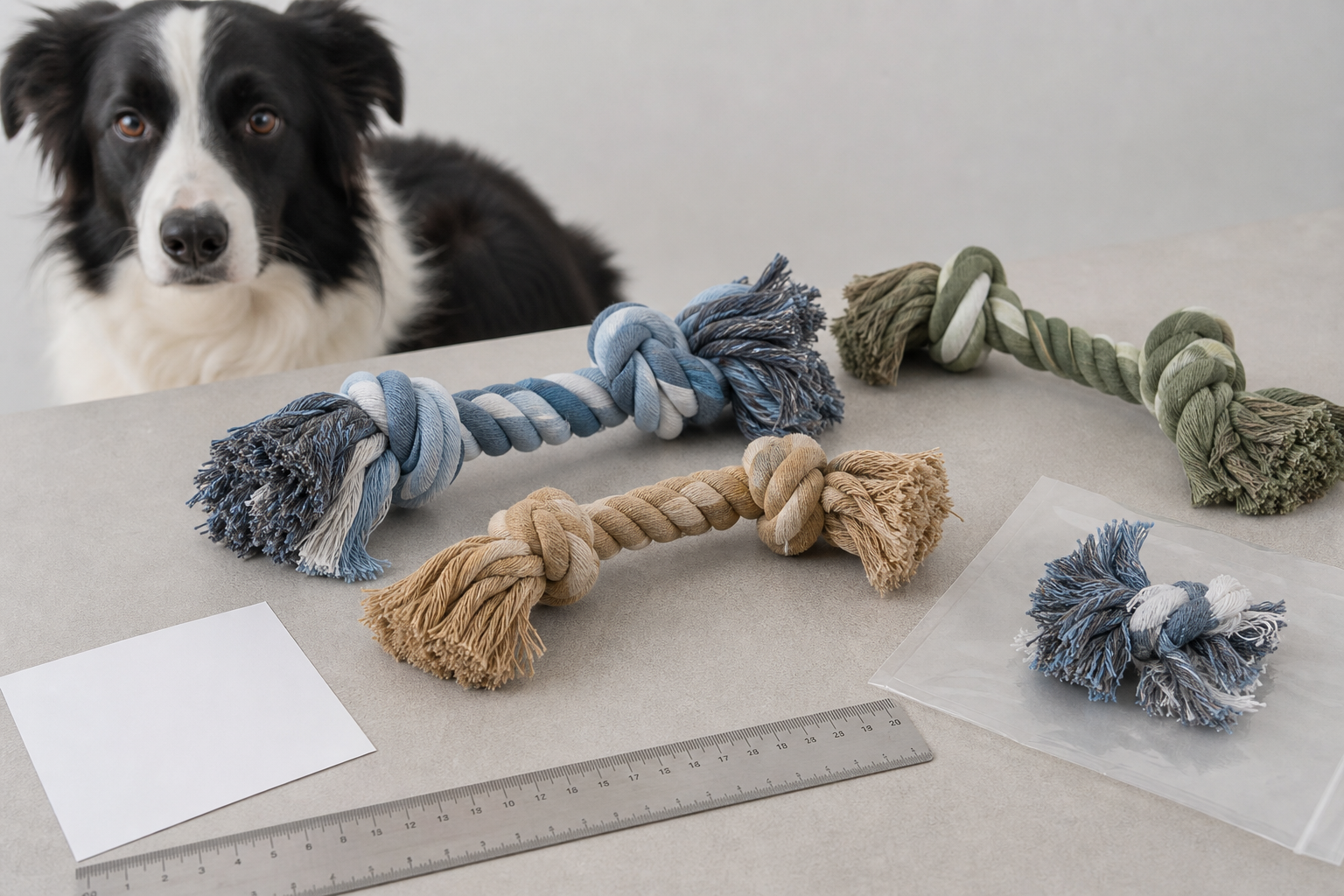
Then check the toy’s size and structure. The rope should be too large to swallow, easy for you to hold without putting fingers near your dog’s teeth and long enough to keep tug play controlled. Avoid tiny rope balls, loose tassels and thin cords for dogs that chew aggressively or gulp pieces.
Finally, price the toy by usable sessions, not by item count. A six-pack is not cheaper if half the toys fray in one afternoon. For a strong chewer, one tougher supervised tug toy may beat a basket of thin ropes that become trash quickly.
Do Not Buy Rope Toys For The Dental Claim Alone
Some product pages place rope toys near dental toys, but a rope toy is not a substitute for dental care. It may give a dog something textured to mouth during play, but it should not be treated like brushing, veterinary dental care or a VOHC-style dental product unless the product has a specific accepted dental claim. If the main reason you are buying is teeth cleaning, compare it with proper dental chews, toothbrushes and your vet’s advice instead.
This matters at checkout because “dental” can make a cheap rope toy feel more valuable than it is. Ask what job you actually need: tug play, puppy redirection, supervised fetch, or oral-care support. One toy rarely does all of those jobs well.
Deal And Coupon Details To Verify
Do not let a low unit price or bundle badge decide the purchase. Check whether the discount applies only to a certain size, color, seller or Autoship setup. If you are shopping through a marketplace, confirm the seller name, return window and whether damaged or opened pet toys can be returned after your dog rejects or destroys one.
- Look for a size chart or breed-weight guidance, then choose based on mouth size and chewing style.
- Read recent reviews for fraying, shedding, dye transfer, loose knots and strong chemical odor.
- Check whether the toy is meant for tug only, chewing only, or supervised interactive play.
- Compare price per toy with expected replacement speed, not just the bundle discount.
- Skip any deal that encourages unsupervised chewing when your dog already eats fabric or string.
What To Avoid
Avoid rope toys that are already shedding in the product photos or reviews. Avoid thin cords, long loose strands and rope toys attached to small plastic parts that could break off. Avoid leaving rope toys in crates, overnight spaces or toy bins if your dog chews fabric when bored.
If your dog may have swallowed rope, string or toy pieces, do not wait for a shopping guide to solve it. Contact your veterinarian or an emergency clinic. This article is buying guidance, not a diagnosis or treatment plan.
Better Ways To Use A Rope Toy
Use rope toys as a short-session tool. Bring the toy out for tug, trade games or reward play, then put it away while it is still intact. That keeps the toy exciting and reduces the chance that your dog turns it into a solo shredding project.
Inspect the toy after every hard play session. Retire it when knots loosen, strands pull free, the rope develops a sour smell, or your dog starts swallowing fibers. A rope toy that costs a few dollars is not worth stretching past its safe life.
Quick Answers
Are rope toys bad for dogs?
Not automatically. They are better treated as supervised interactive toys, especially for tug, rather than as all-day chew toys.
When should I throw a rope toy away?
Throw it away when strands come loose, knots open, pieces detach, the toy smells bad after washing, or your dog starts eating fibers.
Is a rope toy good for an aggressive chewer?
Only with close supervision, and often only for short tug sessions. Dogs that swallow fabric or string usually need tougher, easier-to-inspect alternatives.
Should I buy a rope toy multipack?
Buy a multipack only if you already know the toy type suits your dog. For a first try, one well-sized rope toy is usually the cleaner test.
Sources
- Cornell University College of Veterinary Medicine: Gastrointestinal foreign body obstruction in dogs
- American Kennel Club: A Guide to Toy Shopping for Your Pup
- American Kennel Club: Which Dog Toys Are Right for Your Dog?
- ASPCA: Position Statement on Dog Chews/Treats
- Chewy: Dental Rope & Tug Toys for Dogs
- Petco: Rope & Tug Dog Toys
Sources last checked: October 6, 2026, 10:35 CEST, Europe/Rome.