
#pet food safety
#pet treat deals
#pet treat labels
A garlic or onion-flavored bargain is not a harmless add-on just because it looks like a small treat. If a pet treat, broth, topper or human-food shortcut lists onion, garlic, chives, leeks, powders or vague “seasoning,” dog and cat owners should pause before checkout. Cats are especially sensitive to Allium ingredients, and dogs can also be at risk depending on what and how much they eat, so the safer buy is a species-labeled product with a clear ingredient list.
That matters right now because fall deal events push shoppers toward treat bundles, holiday samplers, broths, toppers and “human-grade” snacks. The risky part is not one honest label. It is the cart habit of adding a cheap multipack before checking whether it was made for dogs, cats, both species or humans.
Why the label deserves a second look
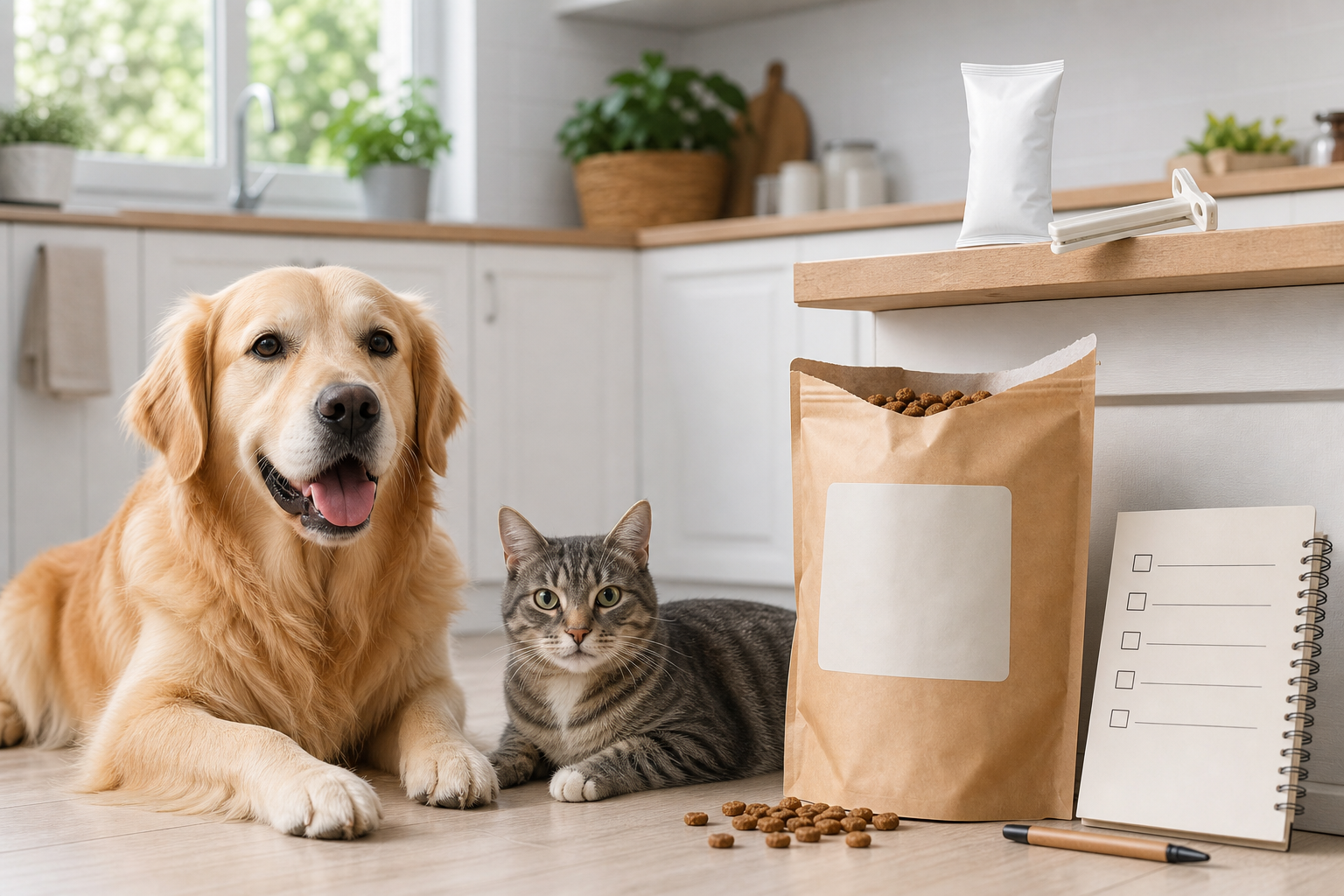
Garlic, onion, chives and leeks are all in the Allium family. ASPCA lists onion, garlic and chives among people foods to avoid feeding pets, noting that cats are more susceptible while dogs are also at risk if enough is consumed. Merck Veterinary Manual similarly warns that raw, cooked or concentrated forms of onion and garlic can cause Allium toxicosis in dogs and cats.
For shopping, that turns into a simple rule: do not assume a “savory,” “roasted,” “broth,” “gravy,” “seasoned” or “holiday dinner” claim is pet-safe until the ingredient panel proves it. Powdered ingredients matter because a small-looking amount can be concentrated, and a multi-pet household can stretch one purchase across pets it was not designed for.
The checkout mistake owners make
The mistake is buying the flavor story instead of the species statement. A dog product is not automatically a cat product. A human broth is not automatically a pet topper. A holiday treat sampler is not automatically safe to split between pets.
Before paying, check these five details:
- Species: The front and back of the package should clearly say dog, cat or both.
- Ingredient list: Look for onion, garlic, chives, leeks, shallots, “onion powder,” “garlic powder,” “dehydrated onion,” “dehydrated garlic” or vague seasoning blends.
- Purpose statement: AAFCO explains that treats and products for intermittent or supplemental feeding are not the same as complete daily food.
- Calories: Treats, toppers and broths still count toward the day’s intake, even when the bag looks small.
- Return terms: Food and treat returns can be harder after opening, so check the policy before you test a new product.
What to buy instead
Choose simple dog or cat treats with a short, readable ingredient panel and no Allium ingredients. If you are buying broth or gravy as a topper, pick one made and labeled for pets rather than repurposing soup stock from the grocery aisle. If your pet is on a prescription diet, has kidney, heart, digestive or allergy issues, ask your vet before adding toppers or new treats.
For cats, be especially careful with products marketed mostly to dogs. Some dog treats are not dangerous just because a cat steals a bite, but they may be the wrong size, wrong calorie load or wrong formula for a cat’s routine. Buying a species-specific treat is usually a cheaper mistake-prevention step than splitting a mixed cart after the package arrives.
Deal and coupon checks before paying
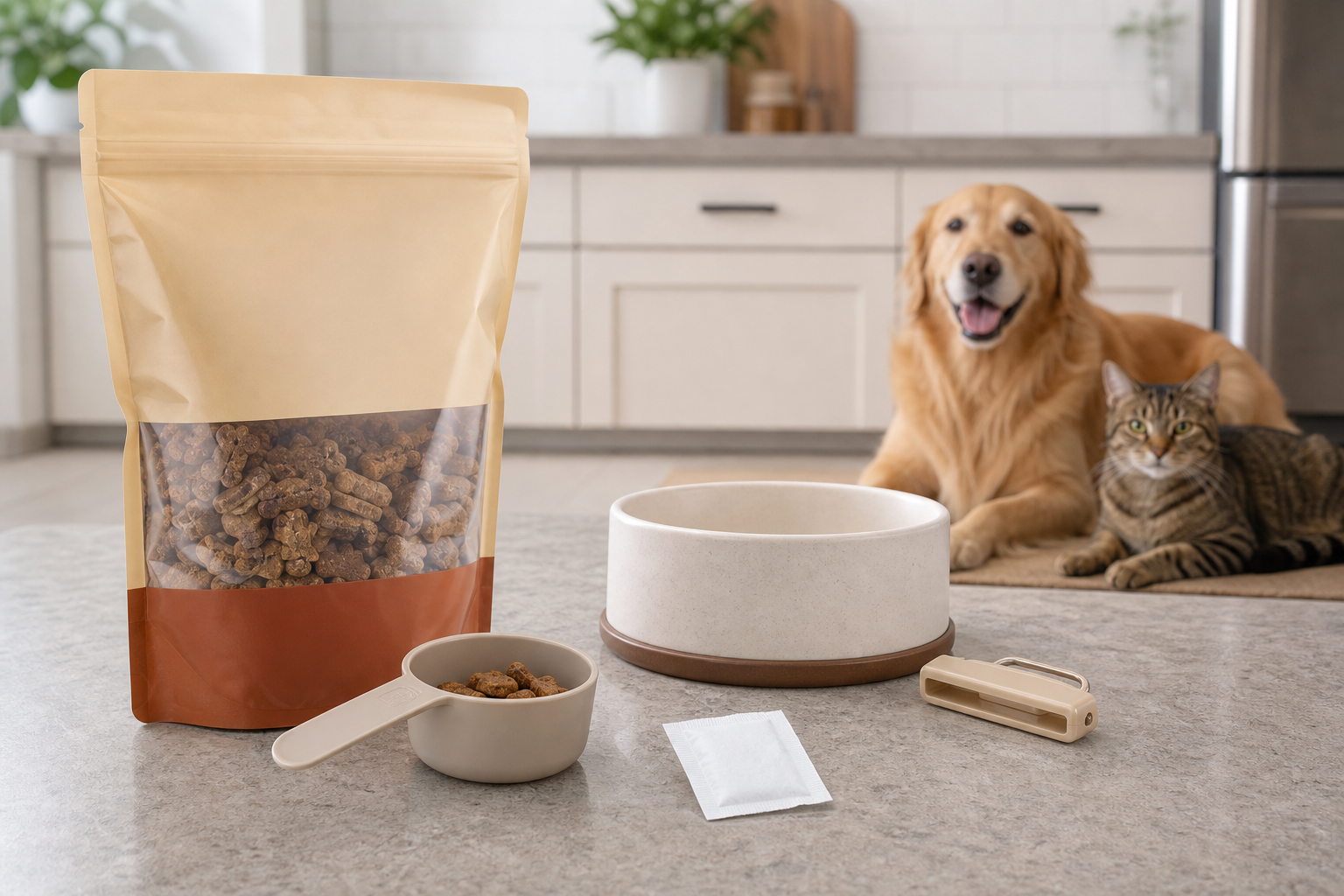
Do not let a coupon turn a questionable treat into a bulk purchase. If the discount requires buying multiple bags, first buy the smallest size or a single unit unless your pet already eats that exact product without problems. If a Subscribe & Save, Autoship or bundle price looks attractive, confirm you can cancel before the next shipment and that the promotion does not require a larger quantity than you can use while the product is fresh.
For marketplace listings, do one more check: compare the photos, title and ingredient panel. A listing title can say “pet treat” while the image or back-panel details tell a narrower story. If the label image is unreadable, missing or inconsistent with the product title, skip the deal.
What to avoid
- Human soups, stocks, sauces, gravies or baby foods unless your vet specifically says the exact product is appropriate.
- Holiday “dinner” treats that do not show a clear ingredient panel online.
- Dog-only toppers for a cat household unless the label also says cats.
- Bulk treat bundles with multiple flavors when only one ingredient panel is visible.
- Any product your pet already ate if you are now worried about onion or garlic. In that case, contact your veterinarian or a poison-control service rather than waiting for a shopping guide to solve it.
Quick answers
Is garlic always listed as “garlic”?
Not always in the way shoppers expect. Check for garlic powder, dehydrated garlic, flavoring or seasoning language, then look for a detailed ingredient list.
Can dogs and cats share the same treat bag?
Only if the product is clearly labeled for both species and the size, calories and ingredients fit both pets. Otherwise, buy separate species-labeled treats.
Is this a recall issue?
No. This article is a checkout label check, not a claim that a current pet treat has been recalled for garlic or onion.
Sources
Last checked: October 6, 2026, 04:34 CEST, Europe/Rome.