
#automatic litter box
#kitten supplies
#litter box safety
#pet tech deals
#smart litter box
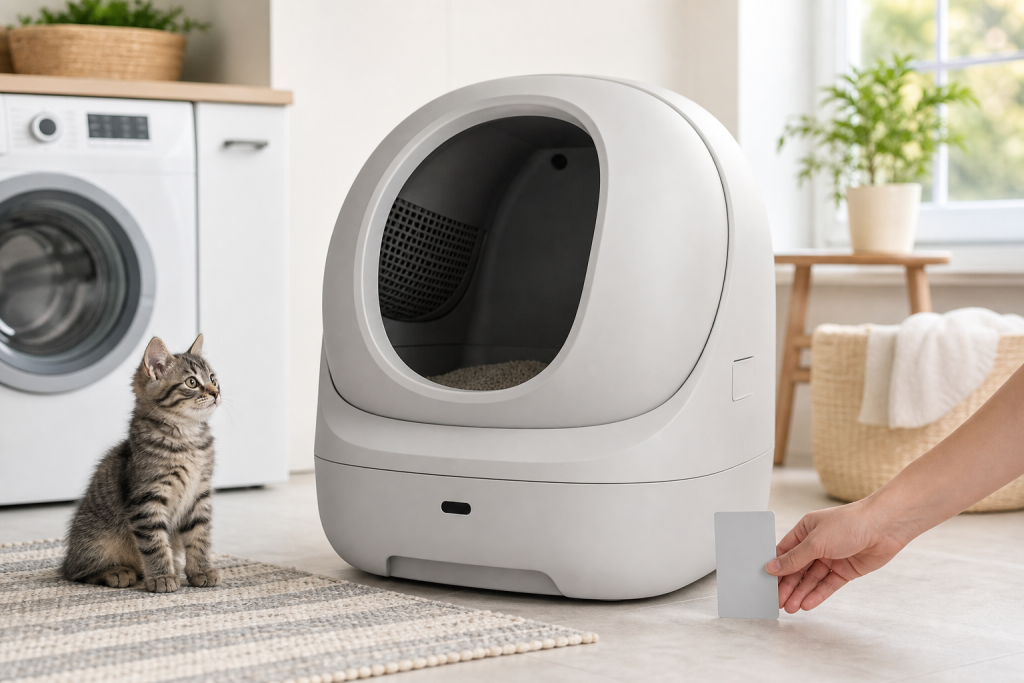
An automatic litter box deal is not a good deal if your kitten or small cat cannot reliably trigger the safety sensors. Before you buy, check the minimum cat weight, entry height, floor placement rules, litter compatibility, app requirements and return window. If those details do not fit your cat today, a cheaper regular litter box may be the safer purchase for now.
Smart litter boxes are getting more attention because they promise less scooping, app alerts and weight or usage tracking. That convenience matters, but the fine print matters more when the cat is young, very small, elderly, anxious or still learning a new litter routine.
Why This Matters Now
Pet tech is still growing, and market coverage continues to point to demand for self-cleaning litter boxes, monitoring tools and app-connected home pet devices. Retailers also keep using big sale events and first-order offers to push higher-ticket products. That can make a $300 to $700 litter box feel like the obvious upgrade before owners check whether the model actually fits their cat.
Official product instructions show why the details are not cosmetic. Whisker’s Litter-Robot 4 manual says cats must weigh at least 1.36 kg, about 3 lb, to safely use automatic mode, and it warns that soft, uneven or unstable flooring can affect detection. Its FAQ also says older Litter-Robot 3 models require kittens to weigh at least 5 lb for automatic mode.
The Sensor Check To Do Before Checkout
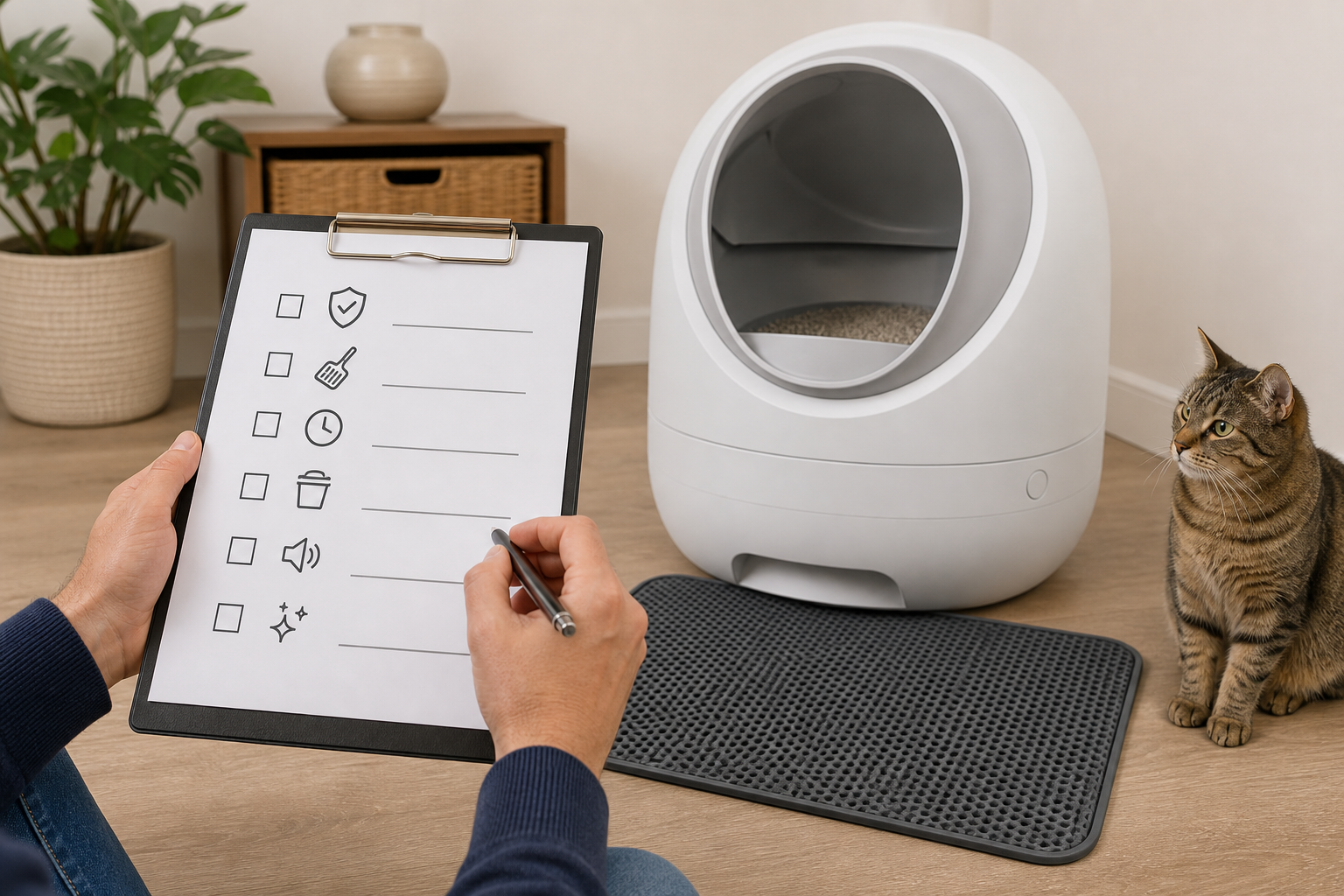
Start with your cat, not the sale badge. Weigh your cat on the same day you plan to order, then compare that number with the model’s official minimum and maximum user weight. Do not assume every self-cleaning box uses the same sensor design or the same kitten rule.
Then check where the box will sit. Weight-based sensors can be affected by carpeting, mats under the unit, uneven floors or a unit pushed against a wall. If the manual says to reset the scale after moving the box, adding litter or emptying the drawer, treat that as part of the real maintenance routine.
Finally, compare the entry height and interior space with your cat’s age and mobility. A low entry may help some cats, but a model that is easy for one adult cat may still be intimidating for a kitten, senior cat or cat that dislikes covered boxes.
Health Tracking Is Useful, But It Is Not A Diagnosis
Some smart litter boxes advertise weight tracking, usage alerts and app insights. PetSafe’s ScoopFree SmartSpin page, for example, says its app can track weight and litter box usage, with 2.4 GHz Wi-Fi required for app connectivity. Those features can help you notice patterns, but they should not replace a veterinarian’s advice when a cat is sick, losing weight, straining, avoiding the box or acting differently.
Also check whether the smart features require a stable app, account, Wi-Fi band, replacement liners, filters, deodorizer packs or specific litter. The older PetSafe ScoopFree Smart manual says its system uses 2.4 GHz Wi-Fi and notes that using the wrong tray or litter can cause malfunction and may void the warranty. A discount looks smaller once you add recurring supplies and compatibility limits.
Deal And Coupon Checks
Before paying, verify the return window on the exact retailer page, not just the brand’s marketing page. PetSafe’s product page listed a 45-day return window when checked, while Litter-Robot’s FAQ described a 90-day in-home trial with return shipping deducted from the refund. Terms can vary by seller, marketplace listing, refurbished unit, bundle, subscription add-on and open-box condition.
Do not let a coupon push you into skipping the manual. Check these items in the cart:
- minimum cat weight for automatic mode;
- entry height and usable interior space;
- whether the box needs clumping litter, crystal trays or proprietary liners;
- Wi-Fi band, app account and smart-feature requirements;
- return shipping, restocking, trial and warranty terms;
- replacement bags, liners, filters, deodorizer packs and sensor accessories.
What To Avoid
Avoid any listing that hides the manual, sensor rules, return policy or real seller identity. Be careful with copycat listings that borrow broad claims like “safe for all cats” without showing a specific minimum weight, sensor type or support contact. If your kitten is below the official weight threshold, use manual or semi-automatic operation only if the manufacturer recommends it, or wait and use a regular box.
Do not buy a smart litter box as a way to ignore litter box changes. A sudden change in litter box use, weight, stool, urination or behavior needs veterinary guidance. The app can be a record, not a diagnosis.
Quick Answers
Can kittens use automatic litter boxes?
Sometimes, but only if the manufacturer says the kitten meets the minimum weight for automatic mode. Some current Litter-Robot models list 3 lb, while older Litter-Robot 3 guidance lists 5 lb.
Is a self-cleaning litter box worth it for one cat?
It can be, if your cat is the right size, accepts the design and you can afford the recurring supplies. For a kitten, a nervous cat or a cat with health concerns, a standard box may be a better first step.
Should I trust litter box health alerts?
Use them as trend alerts, not medical answers. If the app flags a change or you notice symptoms, contact your veterinarian.
Sources
Sources last checked June 13, 2026, 16:32 Europe/Rome.