
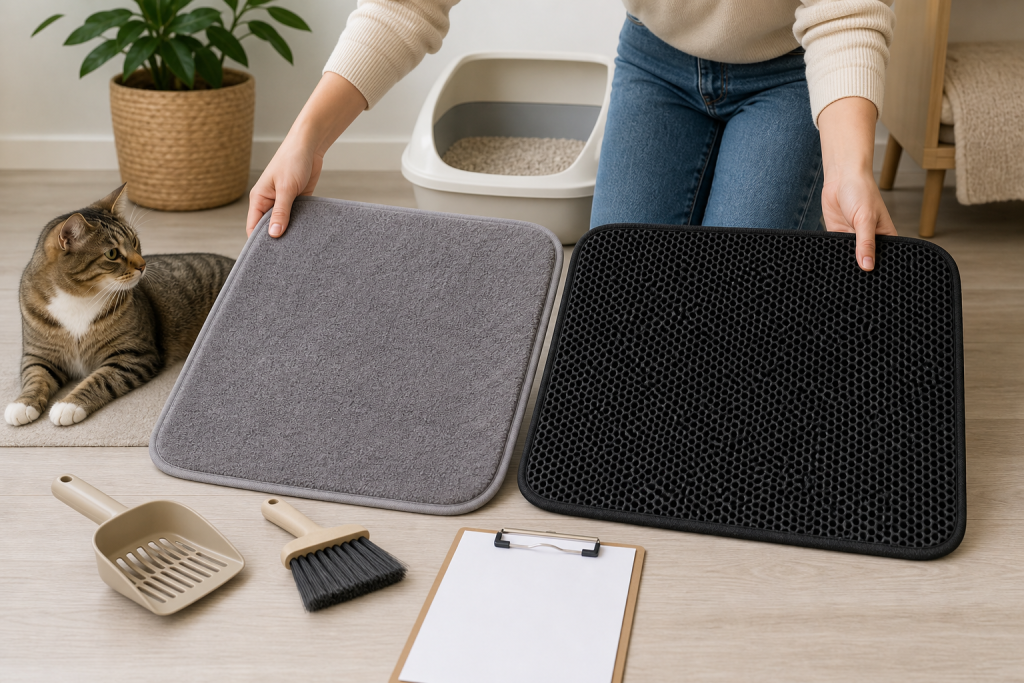
#cat litter
#cat litter deodorizer
#cat supplies
#litter box odor
A cheap litter deodorizer can make the box worse if it masks odor with heavy fragrance, adds dust, or encourages you to stretch dirty litter too long. The better buy is usually an unscented, low-dust odor absorber used sparingly, plus a litter and cleaning routine your cat will still accept. Before checkout, check the ingredient type, replacement schedule, return policy and whether the product solves odor or only perfumes it.
Why This Matters Now
Litter odor products are easy add-ons when cat owners are already buying litter, mats, liners or automatic litter box supplies. They also show up in deal pages because the unit price looks small compared with a full litter change. The risk is that a bargain powder, packet or cartridge can become one more recurring purchase without fixing the real reason the box smells.
There is also a cat-behavior reason to be careful. Cats rely heavily on scent, and a litter box that suddenly smells perfumed, dusty or unfamiliar can become less attractive. If a cat starts avoiding the box, the owner may spend more on cleaners, extra litter and replacement products than the original deodorizer ever saved.
The Checkout Detail Most Shoppers Miss
Do not judge a litter deodorizer only by the claim on the front of the tub or pouch. Check what it is doing. Some products are mainly odor absorbers, such as activated carbon, zeolite or baking soda. Others lean more heavily on fragrance. A strong scent may make the room seem fresher to people, but it can be a problem if your cat dislikes it or if the powder is dusty.
Also check where the product is meant to go. A loose additive mixed into litter is different from a filter, cartridge or odor bag that sits outside the litter surface. Automatic litter boxes may use proprietary odor packs or waste-drawer filters, and those can turn a small device purchase into a monthly refill cost. If a product page says to replace the deodorizer every month, price it as a subscription-style expense, not as a one-time deal.
What To Compare Before You Buy
Start with the source of the odor. If the box smells because it is too small, not scooped often enough, placed in a poorly ventilated area or used by multiple cats, a deodorizer may only hide the issue for a short time. A better purchase might be a larger box, a second box, a lower-dust litter or a covered waste pail that is easier to empty.
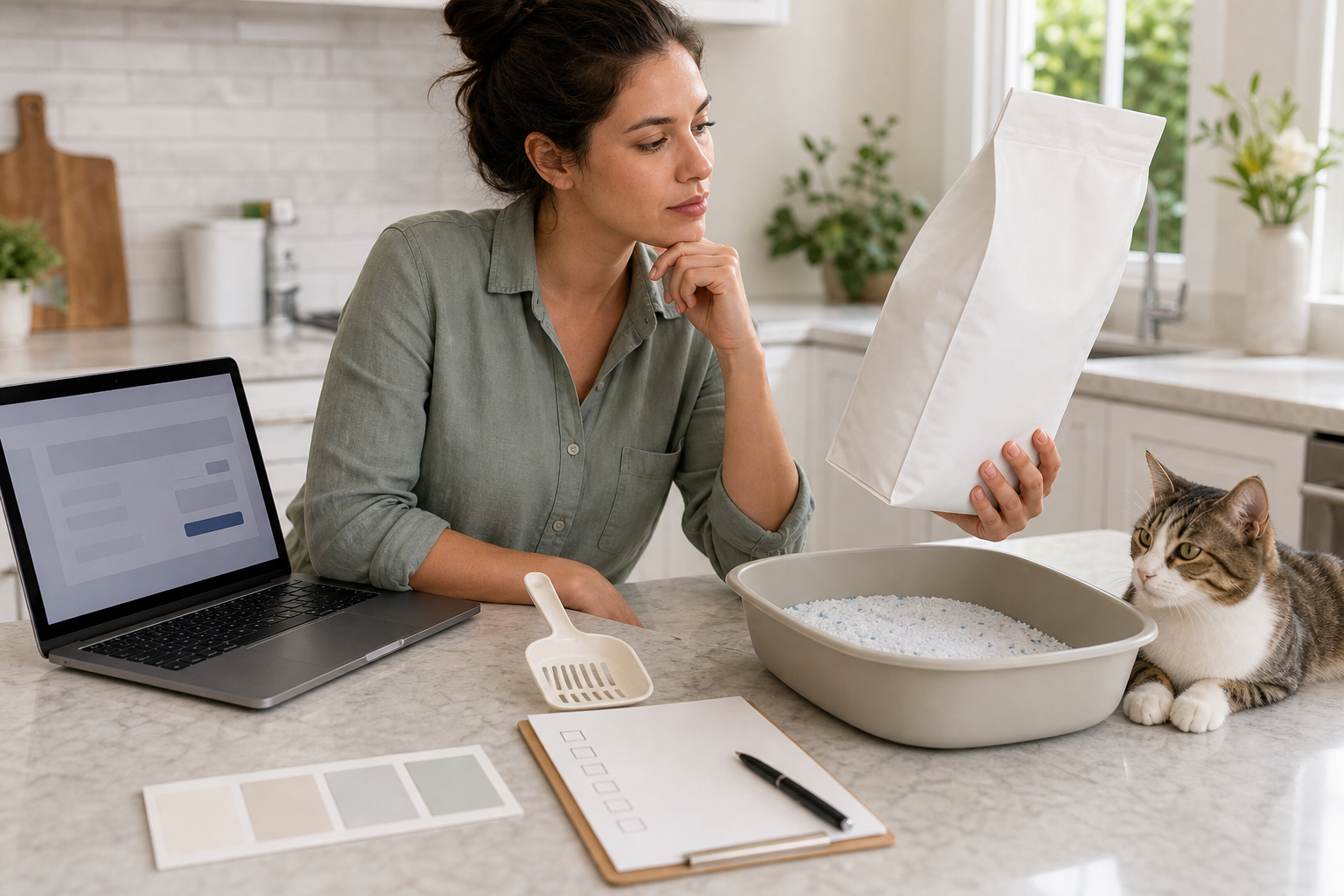
For the deodorizer itself, compare four details:
- Ingredient style: unscented odor absorbers are usually a safer first comparison than heavily scented powders.
- Dust and granule size: fine powders can spread when poured or scratched through, so look for low-dust wording and reviews that mention dust honestly.
- Compatibility: make sure the additive works with your litter type, especially clumping clay, pellets, crystals, natural litter or an automatic box.
- Use rate: a cheap container is not cheap if the label tells you to add a large amount after every scoop.
The Deal And Coupon Check
Litter deodorizers often look like easy cart fillers because they help reach a free-shipping threshold. That is fine if you already planned to test one, but do not add a scented product just to trigger a coupon. Check whether the retailer accepts returns on opened litter or cleaning products, whether the deal applies only to first-time Autoship orders and whether future replacement packs are also discounted.
Price the product by use, not by package. A monthly cartridge that costs less today can beat a big tub only if it actually lasts as long as the page says and fits your specific box. For multi-cat homes, assume you may use more than the minimum amount, then compare that real monthly cost with simply buying a better litter or scooping more often.
What To Avoid
Avoid buying a deodorizer that makes a medical or behavioral problem seem like a shopping problem. A sudden change in urine odor, litter-box habits or elimination outside the box is a reason to contact your veterinarian, not just switch powders. The product can help with normal waste odor, but it should not be used to ignore a new health or stress signal.
Be cautious with strong fragrance, essential-oil-style claims, dusty powders and products that do not clearly say how often they should be replaced. Also avoid assuming that “natural” means your cat will like it. Cats can reject natural scents too, and kittens, senior cats or cats with respiratory sensitivity may need an especially simple, low-dust setup.
A Practical Buying Framework
If you want to test a litter deodorizer, buy the smallest size first and change only one thing at a time. Keep the litter type, box location and scooping routine stable for several days so you can tell whether the additive helps or whether your cat objects to it.
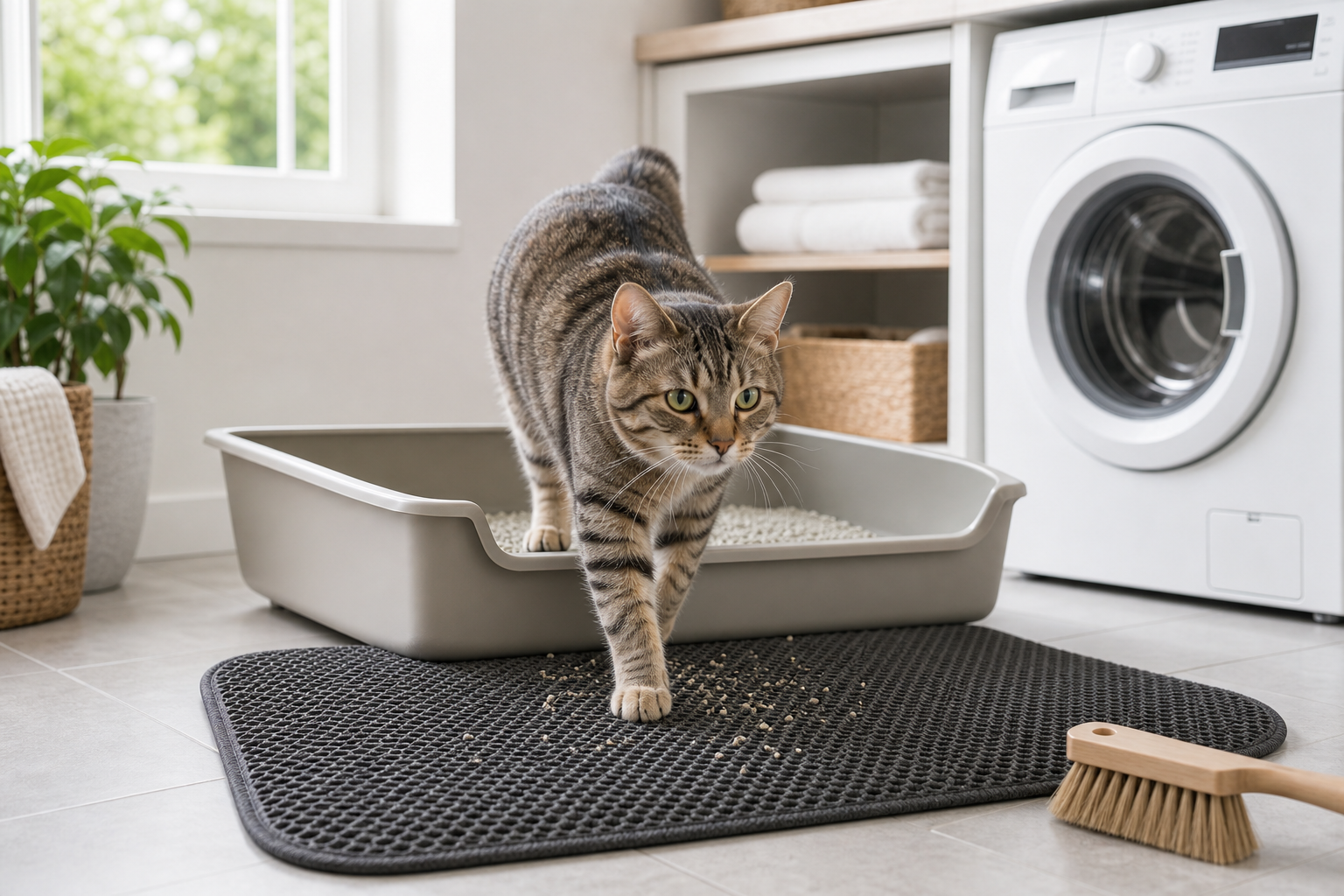
For most households, the safest shopping order is simple: use an unscented, low-dust litter your cat reliably uses; scoop daily; clean the box regularly; then test a mild odor absorber if normal odor still bothers you. If the deodorizer is for an automatic litter box, check the refill price, whether generic filters fit safely and whether using third-party refills could affect support or warranty terms.
Quick Answers
Is baking soda in cat litter automatically a bad idea?
No, but it is not a magic fix. Many litter products use baking soda for odor control, but loose powder can bother some cats if it adds dust or changes the box texture. Start small and stop if your cat avoids the box.
Are scented litter deodorizers worth it?
They may make the room smell better to people, but they are not the safest first choice for every cat. Unscented odor absorbers are usually a better test before buying a heavily perfumed product.
Should I use a deodorizer instead of changing litter?
No. A deodorizer is an add-on, not a replacement for scooping, full litter changes and box washing. If the product lets odor build up until cleanup is harder, it was not a good deal.
What if my cat stops using the box after I add one?
Remove the additive, return to the previous litter setup and clean the box. If the problem continues, or if you notice changes in urination, stool, appetite or behavior, ask your veterinarian.
Sources
Sources last checked June 14, 2026, 10:34 Europe/Rome.
- Ohio State University Indoor Pet Initiative, Litter Boxes
- Cornell Feline Health Center, Feline Behavior Problems: House Soiling
- ASPCA, Litter Box Problems
- Petfinder, What is in Cat Litter?
- ASPCA, Pet Poisons: Be Mindful of these Household Products and Cleaning Agents
- Chewy, Returns policy
- Chewy, self-cleaning litter box deodorizer Q&A replacement guidance
- Chewy, Arm & Hammer litter deodorizer Q&A
- Cats.com, cat litter deodorizer buying context