
#cat ticks
#dog ticks
#flea and tick
#pet supplies
#tick remover
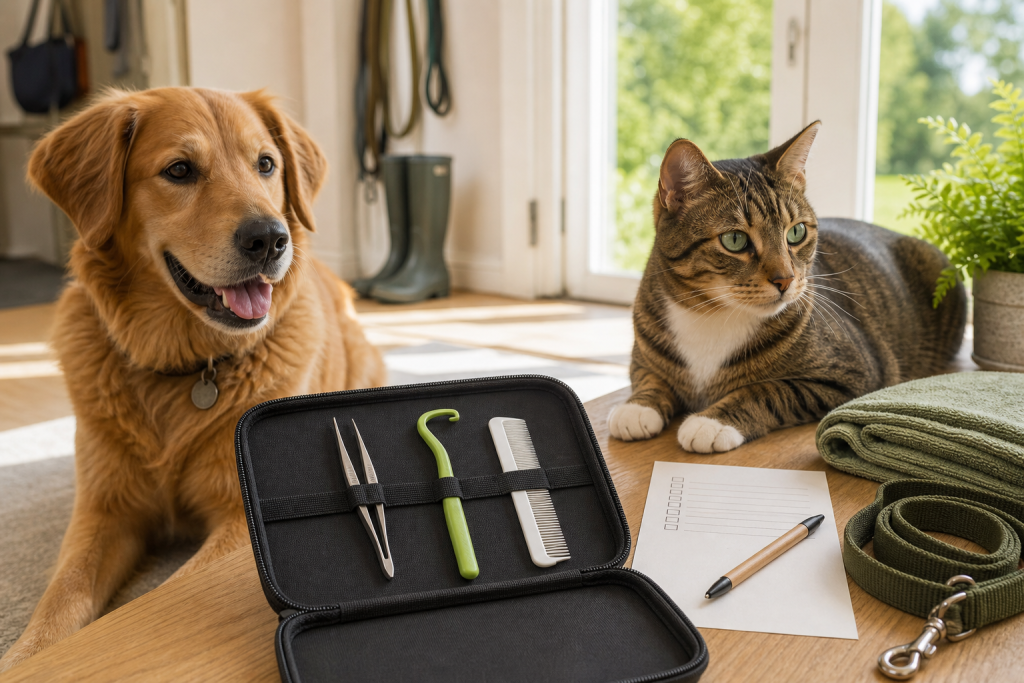
A cheap tick remover is only a good buy if it lets you remove an attached tick cleanly, pack it where you will actually find it, and avoid confusing it with flea-and-tick prevention. The deal fails when the tool is too flimsy, too bulky for your pet’s coat, hard to clean, or bundled with chemical products that do not match your dog or cat. Buy the simple tool, but check the details before you click.
That matters now because tick risk is not a once-a-summer problem. The Companion Animal Parasite Council’s 2026 forecast points to expanding vector-borne disease risk and emphasizes consistent tick control, while CDC guidance tells owners to check outdoor pets daily for ticks. A remover tool is a small purchase, but it sits in the middle of a bigger routine: prevention, daily checks, correct removal, cleanup and a vet call when something looks wrong.
Why this small tool gets overlooked
Tick removers are easy to add to a cart because they are cheap, small and often sold in multipacks. That is also why owners may not inspect them closely. A weak hook, dull tweezers, tiny travel card or mystery bundle can look fine online and still be frustrating when your dog is moving, your cat is annoyed, and the tick is attached close to the skin.
The better shopping question is not “Which one is the fanciest?” It is “Can I use this quickly, calmly and correctly on my actual pet?” Long-coated dogs, small cats, senior pets and nervous pets may need different handling than a product photo suggests.
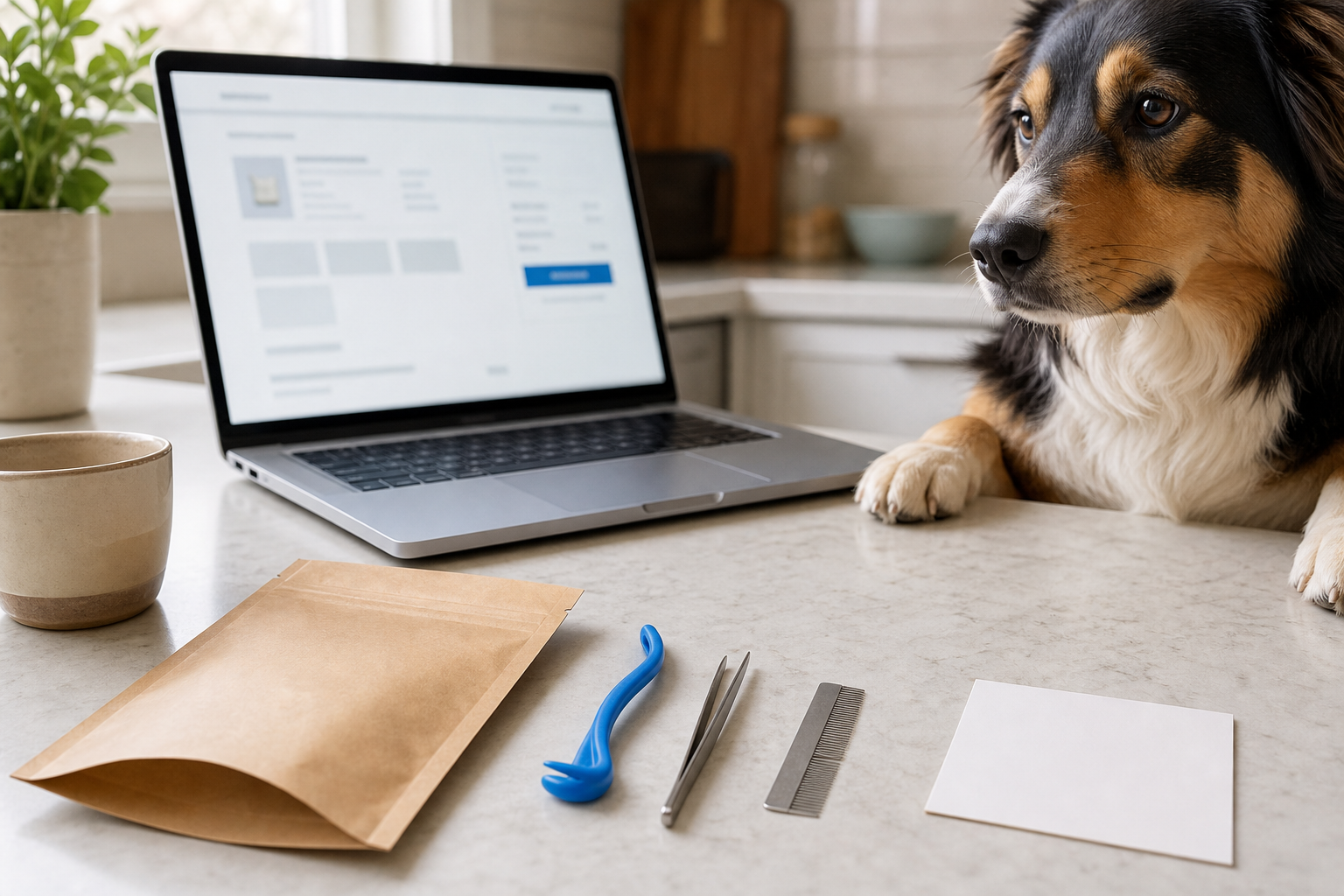
What to check before buying a tick-removal kit
Start with the grip end. FDA tick-removal guidance for people recommends fine-tipped tweezers, grasping close to the skin and pulling upward with steady pressure. Pet owners should still follow their veterinarian’s advice for pets, but the shopping lesson is clear: avoid tools that make close control difficult.
- Tip shape: Look for fine-tipped tweezers, a proper tick hook or both. Thick cosmetic tweezers are not the same thing.
- Tool size: A giant plastic hook may be awkward on a small cat, while a tiny card tool may be hard to hold with a large, restless dog.
- Coat access: Dense fur can hide attached ticks. A small comb or parting tool can be useful, but it should not replace a careful hand check.
- Cleaning: Smooth metal or washable plastic is easier to clean than a cheap tool with seams, rough edges or a fabric pouch that collects dirt.
- Storage: A remover you cannot find is wasted money. Choose a case that can live in a leash drawer, car kit, hiking bag or pet first-aid pouch.
- Instructions: Avoid bundles that give vague, dramatic or unsafe removal claims. The product should not encourage twisting, crushing or burning ticks.
Do not confuse a remover with prevention
A tick remover is for what you find after exposure. It is not flea-and-tick prevention, and it does not make outdoor walks, tall grass or travel risk-free. CAPC describes tick control as part of a comprehensive parasite-control program, while AVMA and EPA materials stress correct use of flea-and-tick products according to label directions.
If your cart includes a collar, topical, chewable or spray, slow down and check the label. FDA says some flea-and-tick products are FDA-approved animal drugs and others are EPA-registered pesticides, and those labels should identify the regulating agency. Do not use a dog-labeled product on a cat unless your veterinarian has specifically told you it is appropriate. Cats can be especially vulnerable to some ingredients used in dog products.
The deal section: what to verify before paying
Tick-removal tools are often sold in low-cost two-packs, “hiking kits” or first-aid bundles. The lowest price is not always the stronger value if most of the bundle is filler or the return policy is poor.
- Count the useful pieces: Two good tools beat eight mystery items you will never use.
- Check the seller: Marketplace listings can mix lookalike tools, vague product pages and changing sellers. Prefer clear descriptions and a retailer you trust.
- Read return terms: Chewy says many items can be returned within 365 days, while Petco’s standard policy is 60 days with restrictions. PetSmart coupon terms also warn that coupons may not combine with other offers unless stated.
- Watch shipping math: A very cheap tick tool can become expensive if it pushes you into a small separate order with shipping fees.
- Do not buy chemical add-ons blindly: If the bundle includes wipes, sprays or preventives, verify species, age, weight range, ingredients and label directions before using them.
What to avoid
Avoid product pages that promise painless removal or disease prevention from a remover tool alone. Removing ticks promptly is useful, but disease risk, symptoms and prevention plans are veterinarian territory. If your pet seems ill, has a swollen or irritated bite area, is very young, elderly, pregnant, nursing, on medication or has a history of reactions to parasite products, ask your veterinarian before relying on a new product routine.
Also avoid messy removal myths. Do not shop for tools that depend on heat, oil, nail polish or crushing. FDA guidance says to avoid crushing ticks with fingers, and its removal steps emphasize fine-tipped tweezers and steady pressure. For pets, your vet can show you the safest technique for your animal’s size, coat and temperament.
A practical tick-check kit that is worth buying
A useful kit does not need to be expensive. For most owners, a smart cart is simple: fine-tipped tweezers or a tick hook, disposable gloves if you prefer them, a small sealable bag or container, pet-safe cleaning supplies recommended by your vet, and a place to write down the date and where the tick was found. Keep one set near the leash and one in the travel bag if your pet hikes, camps, boards or visits tick-heavy areas.
For long-coated pets, add a comb that helps you part the fur. For cats, prioritize a tool you can handle with one hand while keeping the session calm and short. For dogs that roam brush or wooded paths, a second remover in the car may be more useful than a deluxe kit that stays in a drawer.
Quick answers
Is a tick remover enough for flea-and-tick season?
No. It is a backup tool for ticks you find. Ask your veterinarian about prevention that fits your pet’s species, age, weight, health history and local risk.
Are tick hooks better than tweezers?
Either can be useful if you can control the tool close to the skin without squeezing the tick body. Many owners buy both because pets, coats and tick sizes vary.
Should I buy the biggest multipack?
Only if the extra tools are useful and will be stored where you need them. A smaller, better-made kit is usually a smarter deal than a large bundle of awkward pieces.
Can I use the same flea-and-tick product for my dog and cat?
Do not assume that. Check the label and ask your veterinarian, especially because some dog products can be unsafe for cats.
Sources
Sources last checked June 14, 2026, 07:33 Europe/Rome.
- Companion Animal Parasite Council, 2026 Annual Pet Parasite Forecasts: https://capcvet.org/articles/2026-annual-pet-parasite-forecasts/
- CDC, Preventing Ticks on Pets: https://www.cdc.gov/ticks/prevention/preventing-ticks-on-pets.html
- American Veterinary Medical Association, Safe use of flea and tick preventive products: https://www.avma.org/resources-tools/pet-owners/petcare/safe-use-flea-and-tick-preventive-products
- FDA, Ticks and Lyme Disease, tick removal guidance: https://www.fda.gov/consumers/consumer-updates/ticks-and-lyme-disease-symptoms-treatment-and-prevention
- FDA, How to tell if a flea and tick product is approved by FDA or registered by EPA: https://www.fda.gov/animal-veterinary/unapproved-animal-drugs/how-can-i-tell-if-flea-and-tick-product-approved-fda-animal-drug-or-registered-epa-pesticide
- EPA, Regulation of Flea and Tick Products: https://www.epa.gov/pets/epas-regulation-flea-and-tick-products
- Chewy return policy: https://www.chewy.com/app/content/return-policy
- Petco return policy: https://www.petco.com/returns
- PetSmart coupon policy: https://www.petsmart.com/help/payment-H0004e.html