
#dog toys
#pet deals
#puppy chew toys
#puppy teething
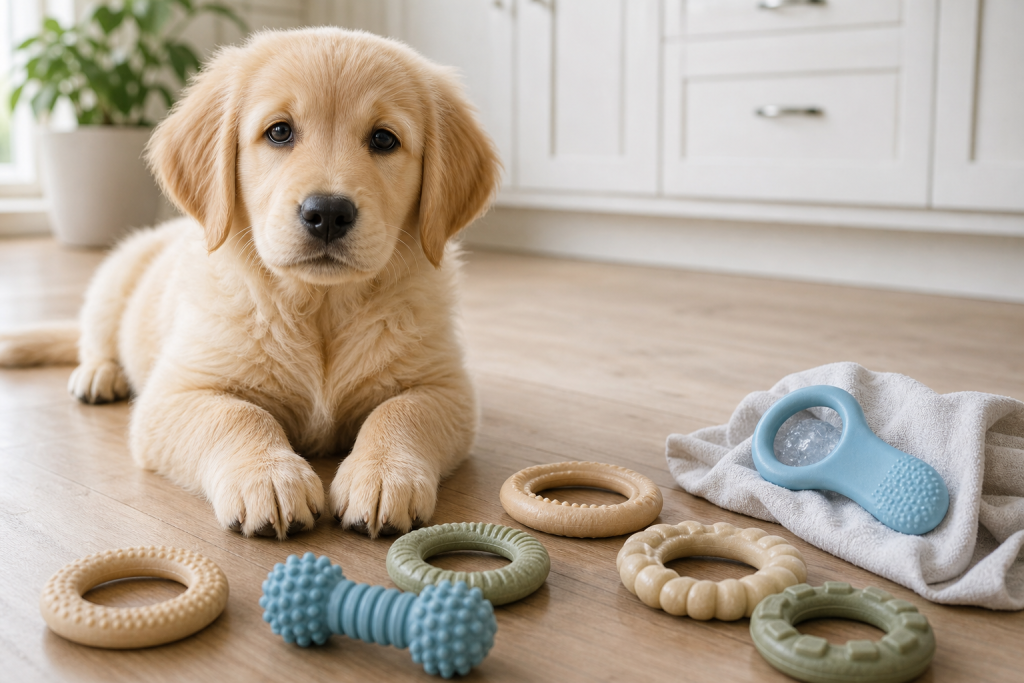
A cheap puppy teething ring is only a good deal if it matches your puppy’s size, chew style and supervision needs. The wrong ring can disappear in minutes, break into swallowable pieces or be so hard that it creates a bigger vet-bill risk than the furniture it was meant to save. Before checkout, compare the material, size range, hardness, ingredients and return terms, not just the sale price.
Puppy teething products are getting attention again because new puppy supplies, chews and teething rings keep appearing in major pet-supply marketplaces, while families are still looking for ways to protect shoes, chair legs and hands during the puppy stage. That demand is real, but it also makes the aisle noisy. A ring labeled for puppies is not automatically right for every puppy.
Why the Teething Ring Deal Can Be Misleading
The lowest-priced multipack often looks practical because puppies chew every day. The problem is that teething gear is not a one-size purchase. A toy that is too small can become a choking concern, a toy that is too hard can be rough on young teeth, and an edible ring can add calories or ingredients you did not mean to feed.
Reliable pet-safety guidance points to the same shopping principle: match the chew to the dog in front of you. The American Kennel Club notes that puppy toy choices should account for activity level, chewing habits and breed. AAHA’s chew-toy guidance also stresses chew style, size and material, including that a chew should be bigger than the dog’s snout and wider than the mouth.
What to Check Before You Buy
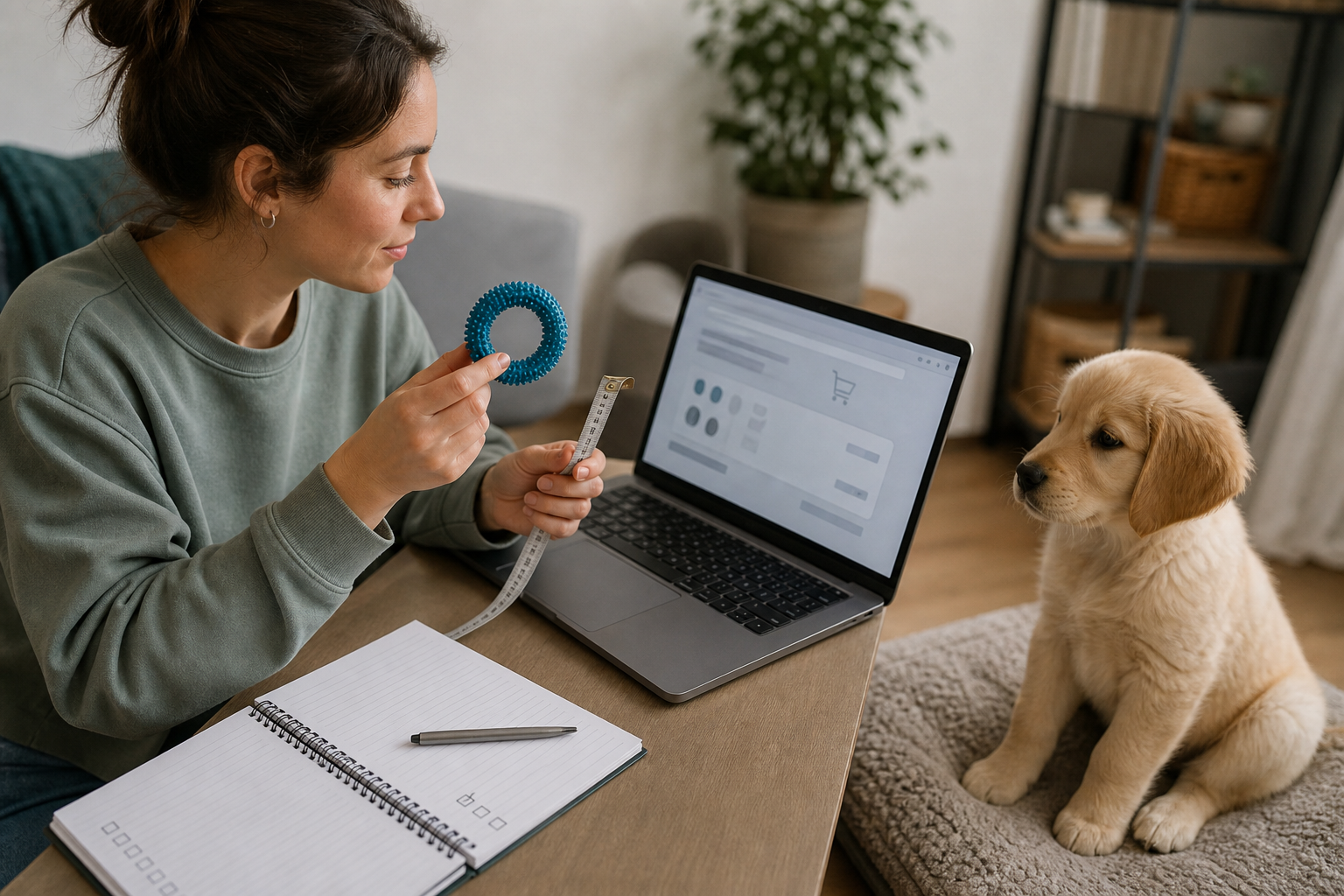
Start with size, not color or flavor. If the ring can fit fully inside your puppy’s mouth, skip it. For a strong chewer, consider sizing up within the product’s guidance, then supervise the first sessions to see whether the toy is being gnawed, shredded or swallowed.
Next, check hardness. A good puppy chew should have some give. Many veterinary and pet-safety sources warn against very hard objects for young dogs because teeth can be damaged. If a product feels more like a rigid bone than a flexible teether, it may not be the gentle teething solution the listing suggests.
Then look at whether it is a toy, a treat or both. Edible teething rings can be convenient, but they belong in the treat budget. Check the calorie information, ingredients, feeding directions and whether the product is intended for your puppy’s age and weight. If your puppy is on a veterinary diet, has stomach sensitivity or has a history of swallowing chews whole, ask your vet before changing the chew routine.
The Checkout Details That Matter
A teething ring deal is stronger when the product page answers practical questions clearly. Look for a size chart, age or weight guidance, material disclosure, cleaning instructions, country of manufacture when available, and a warning to supervise use. For edible chews, look for feeding directions and whether the ring is meant to be consumed in one sitting.
Also check the return policy before buying a large pack. Some retailers are generous with unopened pet supplies, but edible treats, damaged items and opened multipacks can have different rules. If you are trying a new texture, buy one small pack first. Bulk pricing is only useful after you know your puppy will use the product safely.
Deal and Coupon Checks
Before applying a coupon, compare the unit cost. A multipack can still cost more per ring than a smaller pack if the coupon excludes certain flavors, sizes or autoship items. If the deal requires a subscription, confirm the future price, shipping threshold, next shipment date and cancellation controls before placing the order.
Do not let a limited-time badge rush the decision. Puppy chews are repeat purchases, so the better deal is the one your puppy can use without waste. If half the pack gets ignored, splinters, stains, smells odd or is too small within two weeks, the discount did not save much.
What to Avoid
Avoid products that look like real bones, cooked bones or splinter-prone hard chews for a teething puppy. AAFCO notes that bone products have raised splintering concerns, and FDA-related guidance has long warned dog owners about processed bone treats. Rawhide-style products also deserve caution because they can pose choking hazards and should be discussed with a veterinarian if you are unsure.
Skip toys with glued-on eyes, small detachable parts, bells, loose fabric loops or seams that open quickly. The ASPCA Pet Health Insurance toy-safety guide advises sturdy construction to reduce choking and digestive blockage risks from broken pieces. If a toy starts cracking, shedding chunks or changing texture, throw it away rather than trying to get one more day out of it.
A Simple Buying Framework
For most puppies, start with two or three different safe textures instead of a huge pack of one product. A soft rubber teether, a puppy-appropriate chew toy and a supervised edible chew can tell you more than a bargain bundle. Rotate them, clean them, and watch which one your puppy uses calmly instead of trying to destroy.
Keep the receipt or order confirmation until you know the product fits your puppy’s chewing style. If the product is too hard, too small, too messy or too rich, stop using it. A vet, trainer or experienced puppy class instructor can help you separate normal teething behavior from chewing that needs a management plan.
FAQ
Are puppy teething rings worth buying?
They can be worth buying when they are the right size, material and hardness for your puppy. They are not worth buying in bulk before you know your puppy will use them safely.
Should I buy edible or non-edible teething rings?
Non-edible rubber or soft chew toys are useful for repeated supervised chewing. Edible rings can be helpful, but they should be counted as treats and checked for calories, ingredients and feeding directions.
Can a teething ring replace supervision?
No. Supervise new chews until you know how your puppy uses them. Remove the product if pieces break off, the ring becomes small enough to swallow or your puppy tries to gulp it whole.
When should I ask a vet?
Ask your vet if your puppy has broken teeth, bleeding, repeated vomiting, diarrhea, food sensitivities, a history of swallowing objects or a diet restriction. This article is shopping guidance, not a veterinary diagnosis.
Sources
Last checked: 2026-06-16 10:32 Europe/Rome.
- American Kennel Club, Which Dog Toys Are Right for Your Puppy?
- AAHA, Don’t Chew On This!
- ASPCA Pet Health Insurance, Choosing the Best Pet Toys
- AAFCO, Treats and Chews
- Humane World for Animals, How to Pick the Best and Safest Dog Toys
- Amazon, new releases in Pet Supplies, used as a demand signal only.