
#cat toys
#dog toys
#pet supply deals
#pet toy storage
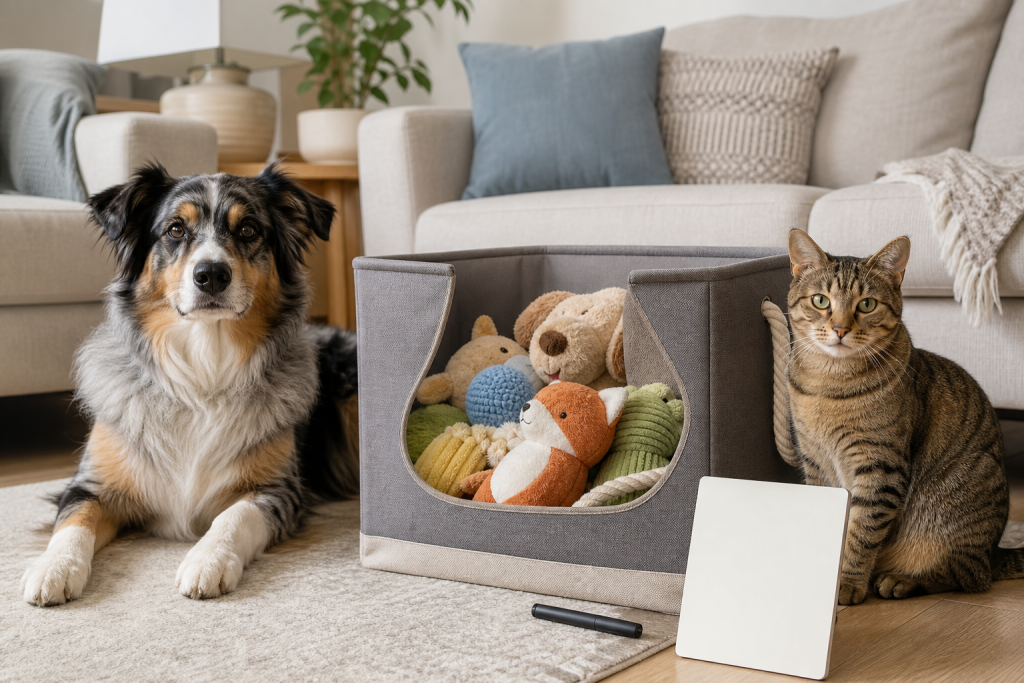
A pet toy storage bin deal can hide a chew hazard when the basket is treated like decor instead of something your dog or cat may mouth, drag, tip over or sleep near. The safer buy is the bin that fits your pet’s habits: washable, stable, easy to inspect and free of tempting loose trim. A cheap basket is not much of a deal if it makes damaged toys harder to spot or becomes the next thing your pet shreds.
Pet toy storage is a current shopping lane because pet owners are buying more toys, enrichment pieces and cleaning products for indoor life, while retailer pages now treat storage bins as a pet-supply category instead of a home-organizing afterthought. That matters because the bin sits in the same space as ropes, plush toys, balls, cat wands and chew toys. It should make toy rotation and safety checks easier, not bury problems until your pet finds them first.
Why the Bin Matters More Than the Cute Label
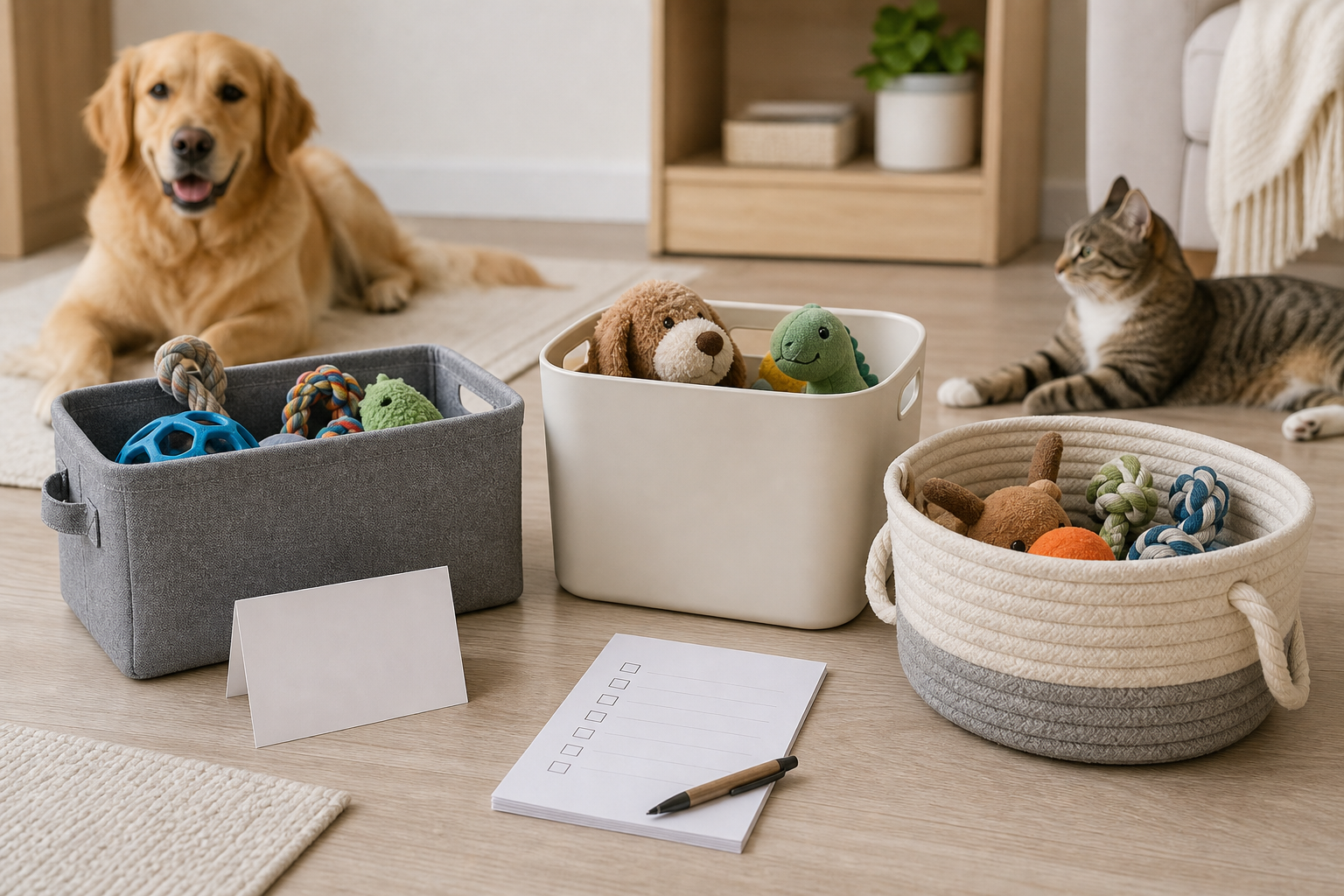
The most common checkout mistake is buying by room style or sale price alone. Wicker, rope and soft fabric bins can look neat in a living room, but some pets chew handles, pull at seams or flip lightweight bins over to get to a favorite toy. Hard plastic can be easier to wipe, but it may slide, crack or make noisy play more exciting for dogs who already treat storage as a game.
The real job is boring and useful: hold the toys you keep, expose the toys you need to throw away, and avoid adding loose parts. Humane World for Animals advises pet owners to discard toys when they tear or break into pieces and to remove ribbons, strings, eyes or other parts that can be chewed off and swallowed. American Humane also recommends inspecting pet toys regularly and replacing damaged ones right away. A storage bin should support that routine.
The Checkout Checks That Actually Matter
Start with your pet, not the product photo. A toy bin for a calm adult cat can be a low open basket. A bin for a puppy, a toy-shredding dog or a cat who loves cords should be simpler, sturdier and easier to clean.
- Check the opening height. Low fronts are useful for small dogs, kittens, senior pets and toy rotation. Very deep bins can hide damaged toys at the bottom.
- Inspect handles and trim. Rope handles, tassels, labels, leather patches and decorative stitching can become the most interesting chewable parts.
- Look for washable materials. Plush toys, treat toys and outdoor toys bring saliva, crumbs and dirt into the bin. If the bin cannot be wiped or washed, it may become the smelly item you replace first.
- Match the base to the room. A narrow basket can tip when a dog noses through it. A smooth plastic bin may slide on hard floors unless it has a stable footprint.
- Separate toy types. Rope toys, plush toys, treat puzzles and cat wand toys should not all disappear into one deep pile if you need to inspect them often.
A lid is not automatically better. It can keep clutter down, but it can also trap damp toys, block airflow or encourage a pet to paw at the closure. If you choose a lid, check whether it closes softly, whether your pet can get stuck nosing under it, and whether you will still open the bin often enough to inspect what is inside.
Deal Math: The Cheap Bin Is Not Always the Cheap Setup
Retailers including Chewy, Amazon, Walmart and Target surface pet toy bins, baskets and storage boxes in current shopping results. Those pages are useful demand signals, but they are not proof that any one sale is the right buy. Before paying, compare the full setup, not just the sticker price.
A small bargain bin can push you into buying a second one within a month. A decorative basket may need a washable liner. A fabric cube may arrive folded and never hold its shape. A wood or rope basket can cost more to ship or return than expected if it is bulky. If the listing offers a coupon, confirm whether it applies to that color, size, seller and shipping method before you count the savings.
Also check return rules before using the bin. Pet items that pick up fur, odor or chew marks may be harder to return once opened or assembled. If the deal is from a marketplace seller, verify who handles the return, whether return shipping is deducted, and whether the bin has to go back in original packaging.
What to Avoid
Avoid any storage bin that looks more chewable than the toys. Loose beads, fringe, thin rope, exposed staples, splintery wood, glued-on decorations and dangling labels are poor fits for pets who explore with their mouths. Skip bins with strong fragrance or chemical odor, especially if the bin will sit near bedding or food bowls.
Do not use a storage bin to avoid replacing worn toys. If a rope is unraveling, a plush toy is leaking stuffing or a ball is small enough to lodge in your dog’s mouth, moving it to a basket does not make it safer. Toy storage is useful only when it helps you sort, rotate and remove risky items.
Be careful with cat wand toys. Long strings, feathers and elastic cords are better stored out of reach unless you are supervising play. A cute open basket can make those toys easier for a cat to drag out when nobody is watching.
A Simple Buying Framework
Choose fabric if you want a soft, washable bin for lightweight toys and your pet does not chew storage. Choose smooth plastic if you need easy wipe-down cleaning, a stable shape and less fabric for fur and odor to cling to. Choose rope or woven baskets only when your pet has not shown interest in chewing similar materials, and inspect the handles often.
For multi-pet homes, two smaller bins usually beat one oversized basket. Put supervised toys in one place and everyday toys in another. That makes it easier to keep cat strings, treat puzzles and fragile plush toys from becoming free-access items.
If you are buying for a new puppy or kitten, prioritize low access, washability and no loose trim. You can upgrade the look later. The first storage bin’s job is to survive the messy learning period and help you notice which toys are being chewed apart fastest.
Quick Answers
Are pet toy storage bins safe?
They can be safe when the material, handles and trim match your pet’s behavior. Inspect the bin like a toy-adjacent item, not just furniture.
Should dog toys and cat toys go in the same bin?
Not always. Keep string toys, small cat toys, treat puzzles and heavy chew toys separated if pets can access the bin on their own.
Is a lidded toy box better?
Only if it stays easy to open, does not trap damp toys and does not create a pinch or chewing target. For many homes, an open low bin is easier to inspect.
What should I check before buying a discounted bin?
Check dimensions, material, wash instructions, handle construction, seller, return policy, shipping cost and whether the coupon applies to the exact size you need.
Sources
Sources last checked: August 18, 2026, 01:34 CEST, Europe/Rome.
- Humane World for Animals, How to pick the best and safest dog toys
- American Humane, Choosing safe toys for pets
- Chewy dog toy storage and bins page, used as current retail category context
- Amazon dog toy basket shopping results, used as current retail demand context
- Walmart dog toy bin shopping page, used as current retail category context
- Target cat toy storage shopping page, used as current retail category context