

#dog ice cream
#frozen dog treats
#pet deals
#summer pet supplies
A dog ice cream deal is only useful if the treat is actually made for dogs, portioned for your dog’s size and free from risky sweeteners such as xylitol. Before you buy a multipack for hot weather or a sale event, check the ingredient panel, serving size, storage rules and return terms. A cheap freezer treat can waste money, or create a safety problem, if it is really a human dessert in pet-themed packaging.
Frozen dog treats are especially tempting in late June because summer heat, backyard gatherings and early Prime Day shopping all push owners toward cold snacks and seasonal pet deals. They can be a fun occasional treat, but they are not a substitute for shade, fresh water, cooler walking hours or veterinary advice for a dog that struggles in hot weather.
Why This Matters Before the Freezer Aisle Wins
The shopping problem is not that every frozen dog treat is bad. The problem is that “dog ice cream” sounds simple, while the products on shelves can vary a lot. Some are dairy-based. Some are yogurt-style. Some are frozen broth, fruit or peanut-butter treats. Some are sold in tiny cups, while others come as larger multipacks that look economical until you read the serving size.
That matters because treats still count as treats. If a dog is small, overweight, sensitive to dairy or already on a special diet, a freezer cup that looks tiny to a person may be a lot for that dog. If your dog has food allergies, pancreatitis history, diabetes, kidney disease or any prescribed diet, ask your veterinarian before adding rich frozen treats.
The Label Check That Comes First
Start with the ingredient list, not the front of the package. The FDA warns that xylitol, also called birch sugar in some ingredient lists, is dangerous for dogs. It can appear in sugar-free foods, nut butters, desserts and other human products, so dog owners should never assume a frozen snack is safe just because it looks plain.
For dog-specific frozen treats, check for:
- Xylitol or birch sugar: do not buy it for a dog if either appears.
- Chocolate, coffee, raisins, grapes or macadamia nuts: avoid human dessert flavors built around these ingredients.
- High-fat dairy: some dogs tolerate small amounts poorly, and rich treats can upset the stomach.
- Peanut butter: only use or buy options where the sweetener is clearly dog-safe.
- Calorie count and serving size: compare it with your dog’s daily food and treat allowance.
- Storage and thawing instructions: frozen products can get messy, leak or spoil if they are left out too long.
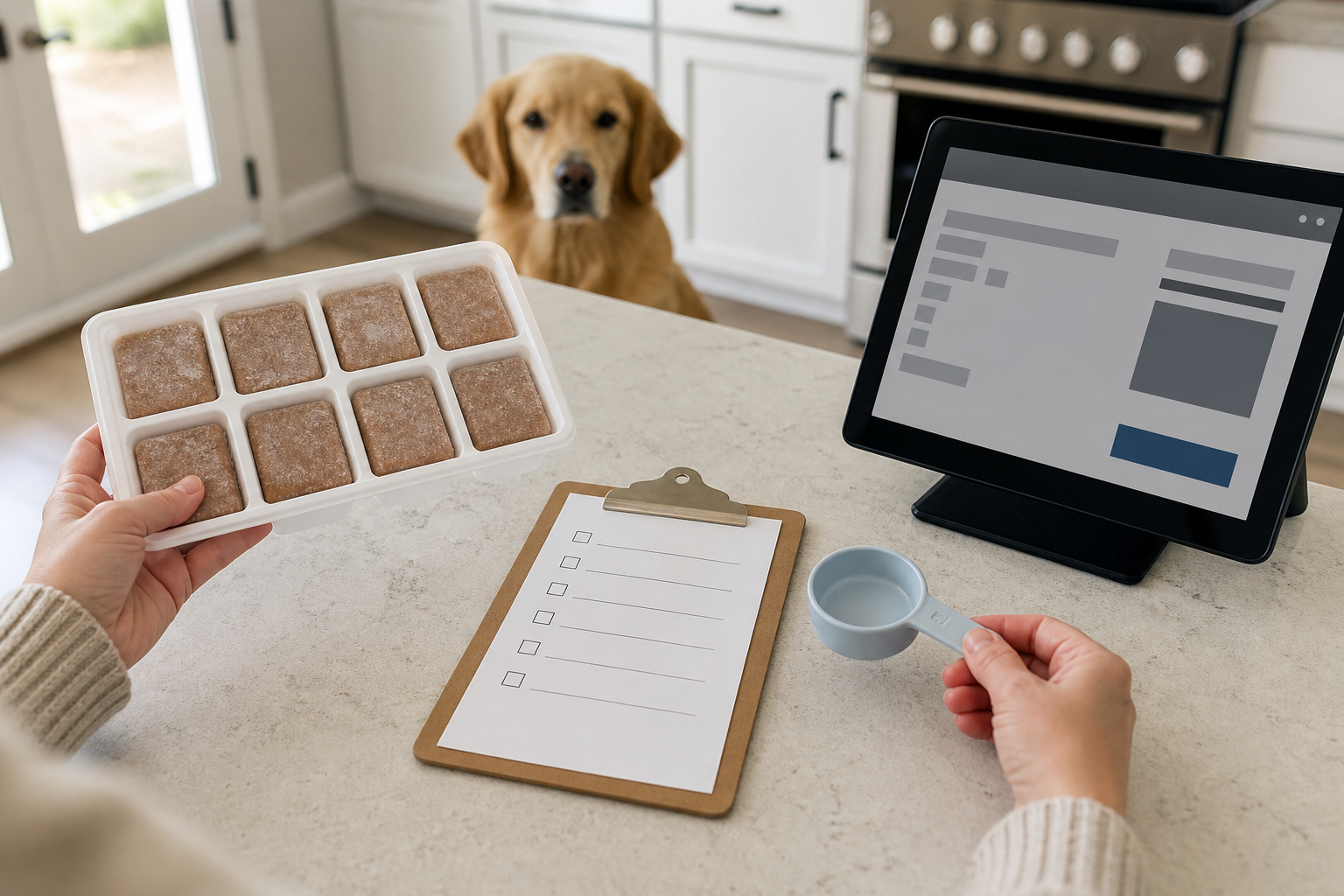
Dog Ice Cream Is Not the Same as Your Ice Cream
Human ice cream is a poor shortcut for most dogs. It may contain too much sugar, too much fat, dairy that causes stomach upset or ingredients that are unsafe for dogs. The safer shopping path is to buy a product made and labeled for dogs, or make simple frozen treats at home with ingredients your dog already tolerates.
If you buy a dog-specific product, do not let the pet branding do all the work. Look for a clear ingredient panel, feeding directions, lot or date coding, storage instructions and manufacturer contact details. If the brand makes big wellness claims, treat those as marketing unless the package backs them with specific nutrition information.
The Multipack Math Can Be Misleading
A four-pack or twelve-pack often looks cheaper than single cups. That can be true, but only if your dog will actually eat the product, tolerate it and finish it before freezer burn ruins the texture. For a first purchase, a smaller pack can be smarter than a bulk deal.
Before checkout, compare:
- Price per serving: use the feeding directions, not just the number of cups in the box.
- Dog size: a serving for a large dog may be too much for a toy breed.
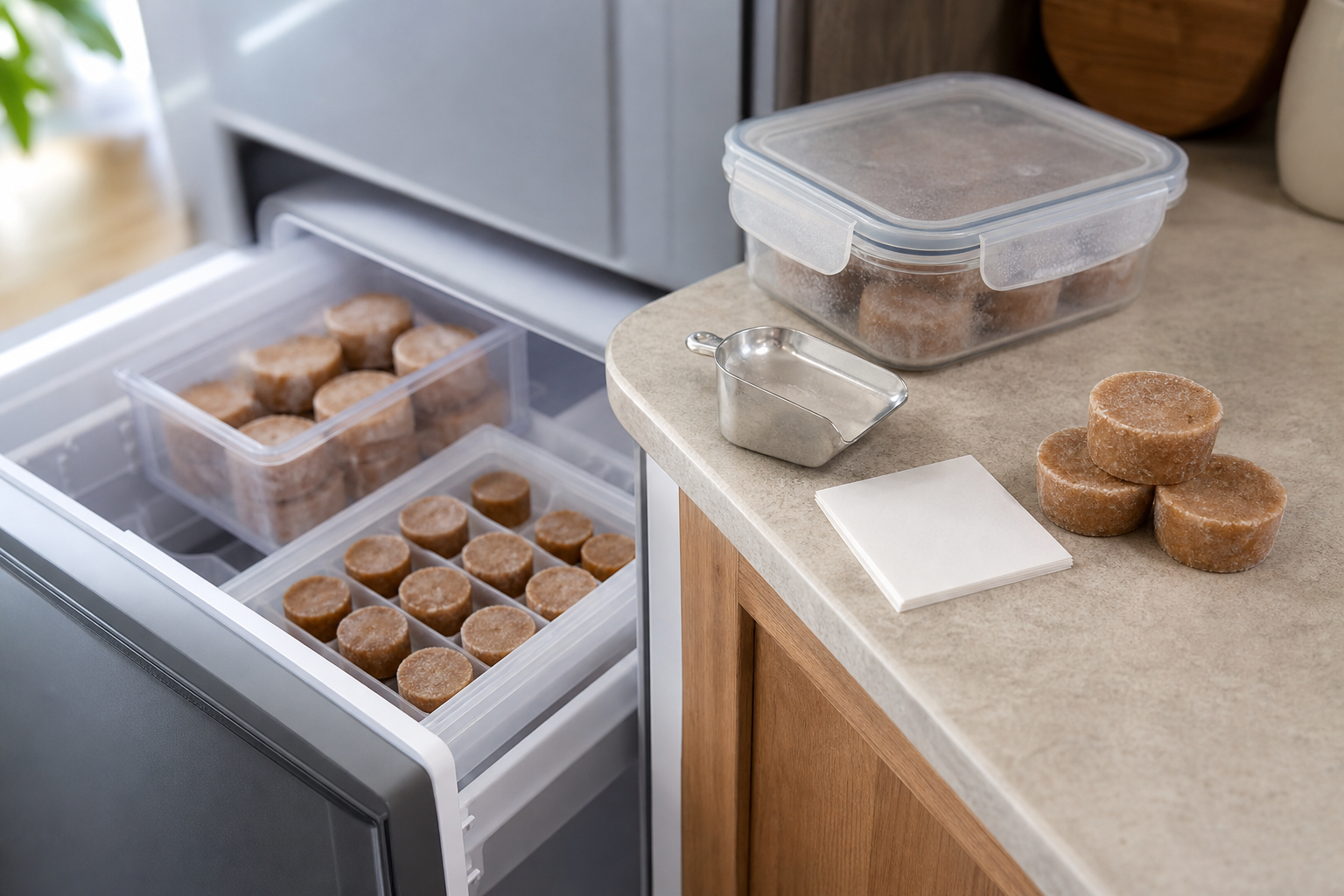
- Freezer space: bulky cups or trays are not a deal if they crowd out food you already bought.
- Delivery method: frozen products may be limited to local delivery, pickup or insulated shipping.
- Refund rules: food and frozen items may have different return handling than toys or beds.
Deal and Coupon Checks Before You Pay
Prime Day and competing summer sales can make pet treats look more urgent than they are. Amazon says Prime Day 2026 runs June 23 through June 26, and other retailers often promote pet supplies around the same window. That is a reason to compare, not a reason to rush.
If a frozen dog treat is discounted, verify the cart before paying. Check whether the sale applies to the flavor and pack size you want, whether shipping changes the total, whether the item is sold by the retailer or a marketplace seller, and whether subscriptions change the future price. For repeat deliveries, read the Autoship or subscription terms carefully. A first-order discount can be useful, but it is not savings if the next shipment arrives before your dog has finished the first box.
What To Avoid
Avoid buying human “sugar-free” frozen desserts for a dog. Avoid party trays or novelty pops that do not show ingredients clearly. Avoid sticks, skewers, wrappers and hard frozen chunks that could break teeth or become a choking risk. Do not use frozen treats as a way to push a dog through outdoor heat. If your dog seems weak, confused, unusually tired, vomiting, panting heavily or acting unwell in hot weather, contact a veterinarian promptly.
Also avoid turning a fun treat into a daily habit without counting the calories. A small cold snack can still be rich. If the product does not show calories or feeding directions, that is a reason to pause.
A Practical First-Buy Checklist
- Choose a dog-labeled product or a simple homemade recipe from a reliable source.
- Read every ingredient, including sweeteners and nut-butter ingredients.
- Buy the smallest practical pack first.
- Serve a small amount the first time and watch for stomach upset.
- Keep frozen treats separate from human desserts so guests do not mix them up.
- Use cold treats alongside water, shade and cooler indoor rest, not instead of them.
FAQ
Can dogs eat regular ice cream?
It is better not to use regular human ice cream as a dog treat. It can contain dairy, sugar, high fat or unsafe ingredients. Choose dog-specific frozen treats or ask your vet about simple homemade options.
Is xylitol really a frozen treat issue?
Yes. The FDA warns that xylitol is dangerous for dogs, and it can appear in sugar-free foods, desserts and nut butters. Check for both “xylitol” and “birch sugar” before buying or making treats.
Are frozen treats enough to cool a dog down?
No. They are a snack, not heat protection. Dogs still need fresh water, shade, ventilation, cooler walking times and prompt veterinary help if they show concerning heat-related signs.
Should I buy frozen dog treats in bulk?
Only after your dog has tried the product and tolerated it well. For a first purchase, a small pack usually beats a larger deal because flavor, digestion, serving size and freezer space all matter.
Sources
- FDA, “Paws Off Xylitol; It’s Dangerous for Dogs”: https://www.fda.gov/consumers/consumer-updates/paws-xylitol-its-dangerous-dogs
- AKC, “Frozen Summer Treats for Dogs”: https://www.akc.org/expert-advice/vets-corner/frozen-summer-treats-dogs/
- ASPCA, “Hot Weather Safety Tips”: https://www.aspca.org/pet-care/general-pet-care/hot-weather-safety-tips
- Amazon, “When is Amazon Prime Day 2026? Shop deals June 23-26”: https://www.aboutamazon.com/news/retail/amazon-prime-day-2026-date
- Chewy, “Autoship & Save”: https://www.chewy.com/b/autoship-save-15682
- PetSmart, “Coupon policy”: https://www.petsmart.com/help/payment-H0004e.html
Sources last checked June 21, 2026, 10:33 Europe/Rome.