
#AI pet gadgets
#pet deals
#pet health monitors
#pet tech
#smart pet devices
AI pet health gadgets can be useful warning tools, but a discount does not make them diagnostic. Before buying one, check what the device actually measures, whether the app explains its limits, how long software support is promised and whether your veterinarian can use the data. If the product makes you feel like you can skip a vet visit, that is the wrong reason to buy it.
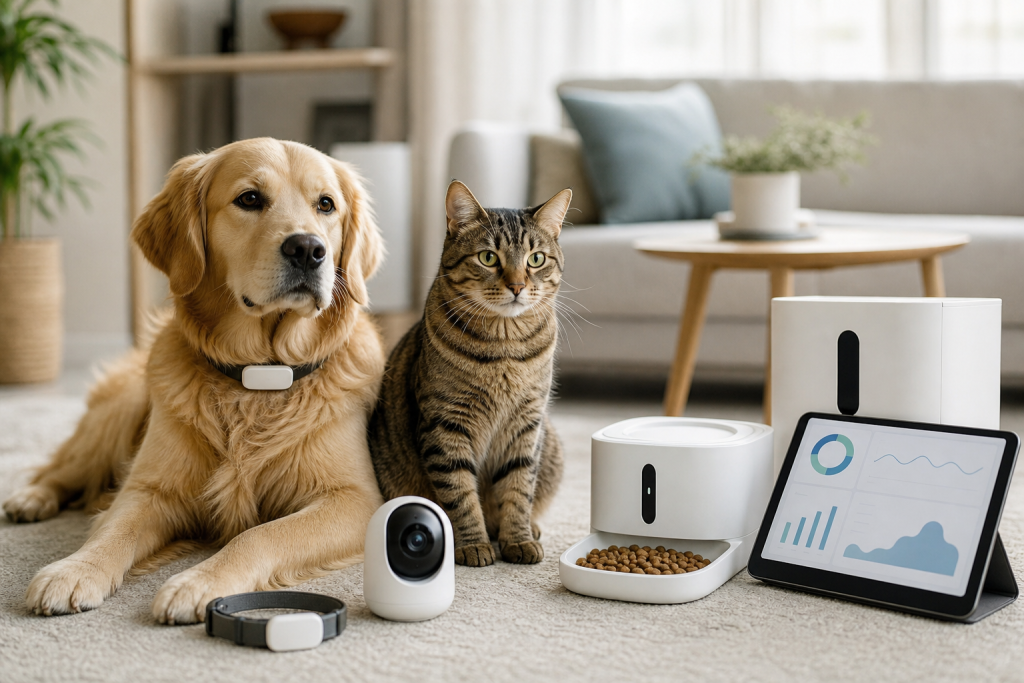
Pet tech is moving quickly in 2026. Smart collars, litter box monitors, camera feeders and app-connected stations now promise to spot changes in weight, bathroom habits, activity, rest or eating routines. Those signals can be helpful, especially for cats and senior pets, but the checkout page often makes the gadget look simpler than real life.
Why this matters now
Pet owners are spending heavily on care and supplies, and connected devices are being folded into ordinary shopping carts alongside food, litter and toys. At the same time, AI features are showing up in products that used to be simple feeders, cameras or collars. That makes the buying question less about whether the gadget looks clever and more about whether it will still be useful after setup.
The risk is not that every AI pet device is bad. The risk is buying one because the headline claim sounds medical, then discovering that the app only gives vague wellness nudges, needs a subscription, stores sensitive home data or cannot be shared clearly with your veterinarian.
The claim to read twice
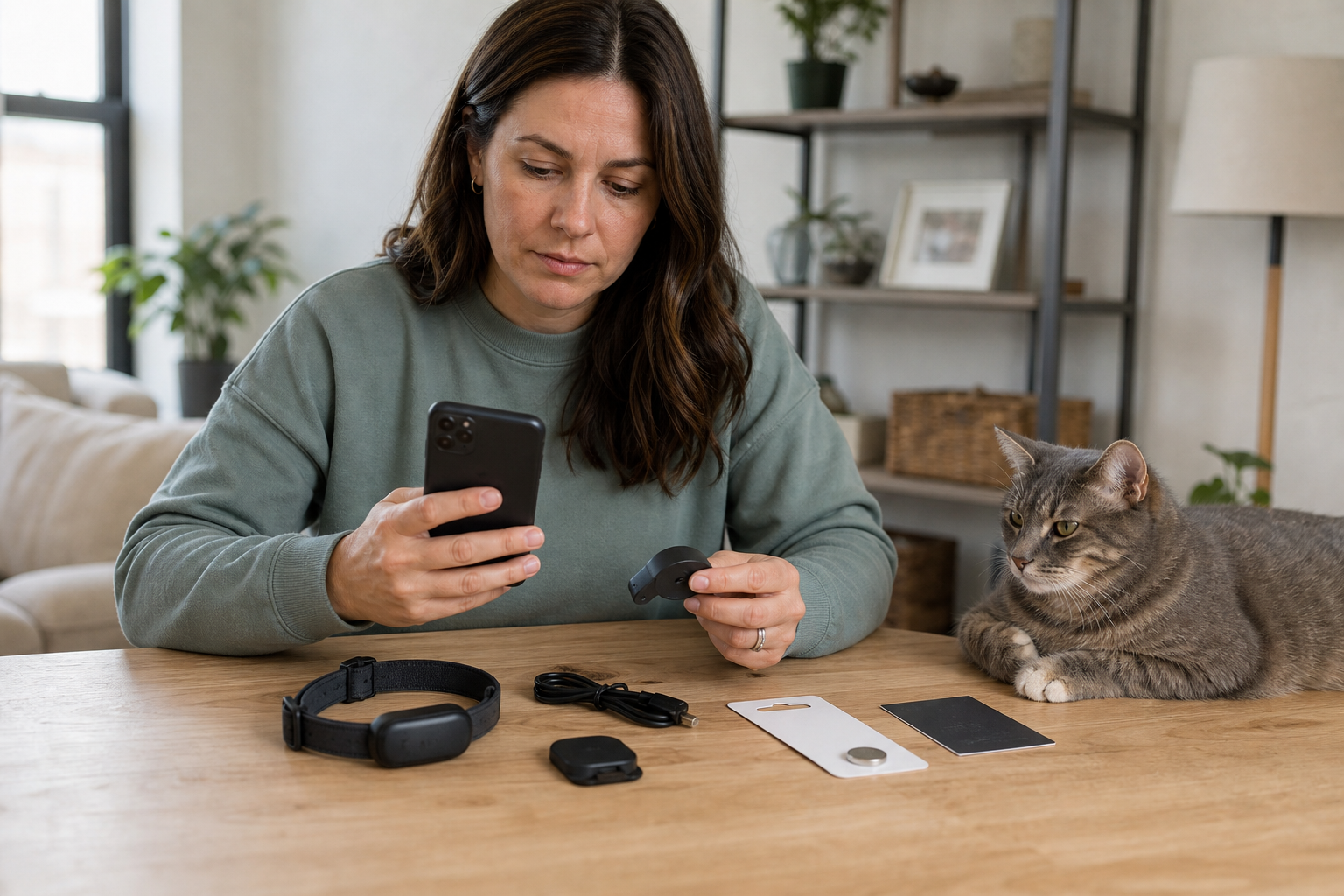
Look closely at phrases such as “detects health issues,” “AI health insights,” “wellness score,” “early warning” or “vet-developed.” A careful product page should explain what the device measures, what the alert means and what the owner should do next. For example, a litter box monitor may track weight and elimination patterns, while a collar may track activity and rest. That is different from diagnosing diabetes, urinary disease, pain or anxiety.
Purina’s Petivity page is a useful example of safer wording because it says the monitor identifies changes that may be associated with a condition requiring veterinary diagnosis. That distinction matters. A shopping page that skips the “may be” and “veterinary diagnosis” part deserves extra skepticism.
What to verify before checkout
Start with the sensor. A collar, camera, feeder, water station or litter box monitor can only report what it can actually measure. If the app claims to interpret health from behavior, check whether the device explains the underlying data, the baseline period and what can throw the reading off.
- Pet fit: confirm weight range, collar size, litter box compatibility, multi-pet limits and whether long fur, unusual posture or shared bowls can affect readings.
- Power and parts: check battery life, charging cable type, replacement sensors, filters, trays, mounts and whether consumables are proprietary.
- App support: look for the latest app update, iOS and Android compatibility, account requirements and whether the company states how long software updates will continue.
- Data export: see whether you can download or share useful summaries with your veterinarian instead of only viewing a colorful score in the app.
- Return window: confirm whether opened smart devices, used collars, litter accessories or subscription bundles can be returned.
The deal section: a cheaper device can still cost more
A sale price is only one part of the cost. Before paying, look for subscription tiers, cloud video fees, replacement parts, shipping, restocking rules and whether the advertised feature works without a paid plan. If the health alerts, history, multi-pet profiles or data sharing sit behind a subscription, add at least a year of fees to the price you compare.
Also check whether the coupon applies to the device only or to the required accessories. A discount on the hardware is less useful if you must buy proprietary filters, trays, batteries, collars, clips or app plans at full price later. For pet-tech deals, the better question is not “How much is it today?” It is “What will I still be paying for six months from now?”
Privacy and software support are part of the purchase
Pet health gadgets can collect more than pet data. Cameras may see inside your home, apps may store location or routine details, and collars may reveal daily patterns. The FTC advises owners of connected devices to secure routers, use strong passwords and enable available security features. That advice applies to pet tech too.
Software support is another hidden checkout issue. The FTC has warned that many smart-product pages do not clearly tell consumers how long software updates will last. If a pet device depends on an app, cloud account or manufacturer server, unclear support can turn a working gadget into a less useful or insecure product later.
What to avoid
Avoid any listing that sounds as if the gadget can replace a veterinary exam. The FDA explains that devices intended for diagnosis, cure, mitigation, treatment or prevention of disease fall into medical-device territory, and pet owners should be careful about consumer products that blur that line without clear support.
Do not buy a monitor to delay care when your pet is acting sick, hiding, straining, refusing food, drinking much more than usual, losing weight or showing sudden behavior changes. Cornell’s Feline Health Center notes that lower urinary tract signs in cats can include frequent or painful urination, crying while urinating, blood in urine and inappropriate urination. A gadget alert can be a useful note to bring to the vet, but it should not become the gatekeeper for care.
When the gadget can be worth it
An AI or smart health-monitoring device can make sense when it solves a specific problem. It may help a multi-person household notice changes sooner, give a veterinarian better history, track a senior pet’s routine or make it easier to document patterns between appointments. It is more likely to be worth the money when the company explains the limits, the app is actively maintained and the data is easy to share.
It is less compelling when the device only adds a vague wellness score, duplicates what you already notice, requires expensive subscriptions for basic history or locks you into consumables you did not plan to buy.
FAQ
Can an AI pet health gadget diagnose my dog or cat?
No consumer gadget should be treated as a diagnosis. It may flag a pattern or change that is worth discussing with your veterinarian.
Are smart collars and litter monitors worth buying?
They can be worth it if the measured data matches a real need, the device fits your pet and the total cost is clear. They are not worth it just because the product page uses AI language.
Should I pay extra for a subscription?
Only if the paid tier unlocks features you will actually use, such as history, multi-pet profiles, useful alerts or shareable reports. Read cancellation and refund terms before starting a trial.
What should I ask my vet?
Ask whether the type of data matters for your pet’s age, species and health history. Also ask what changes should prompt a call instead of waiting for an app notification.
Sources
Last checked: 2026-06-01 16:34 Europe/Rome.
- American Pet Products Association, U.S. pet industry spending context: APPA 2026 industry update.
- FTC, smart product software-support warning: Smart products and software updates.
- FTC Consumer Advice, connected-device security: Securing your internet-connected devices at home.
- FDA, animal medical device overview: How FDA regulates animal devices.
- Purina, Petivity Smart Litterbox Monitor wording and feature claims: Petivity Smart Litterbox Monitor System.
- Cornell Feline Health Center, feline lower urinary tract signs: Feline Lower Urinary Tract Disease.
- Tom’s Guide, 2026 AI and pet-care device trend context from CES: AI moving into pet care.