
#ant-proof pet bowl
#pet bowls
#pet feeding
#summer pet supplies
An ant-proof pet bowl can help keep ants out of your dog or cat’s food, but only if the design matches how and where you feed. The deal can disappoint when the moat is too shallow, the bowl is too small, the parts are hard to wash, or the listing treats “anti-ant” as a substitute for clean food handling. Before buying one, check the bowl’s capacity, cleaning access, stability, return terms and whether your pet will actually eat from that shape.
Search interest around summer pet supplies is high right now, and ant-proof bowls are showing up across Amazon, Walmart, Chewy-style marketplaces and outdoor cat-feeding discussions. That makes sense in warm weather, when pet food odors and outdoor feeding can attract insects faster. The useful question is not whether the label says “ant-proof.” It is whether the bowl solves your specific feeding problem without creating a cleaning or comfort problem for your pet.
Why these bowls are popular now
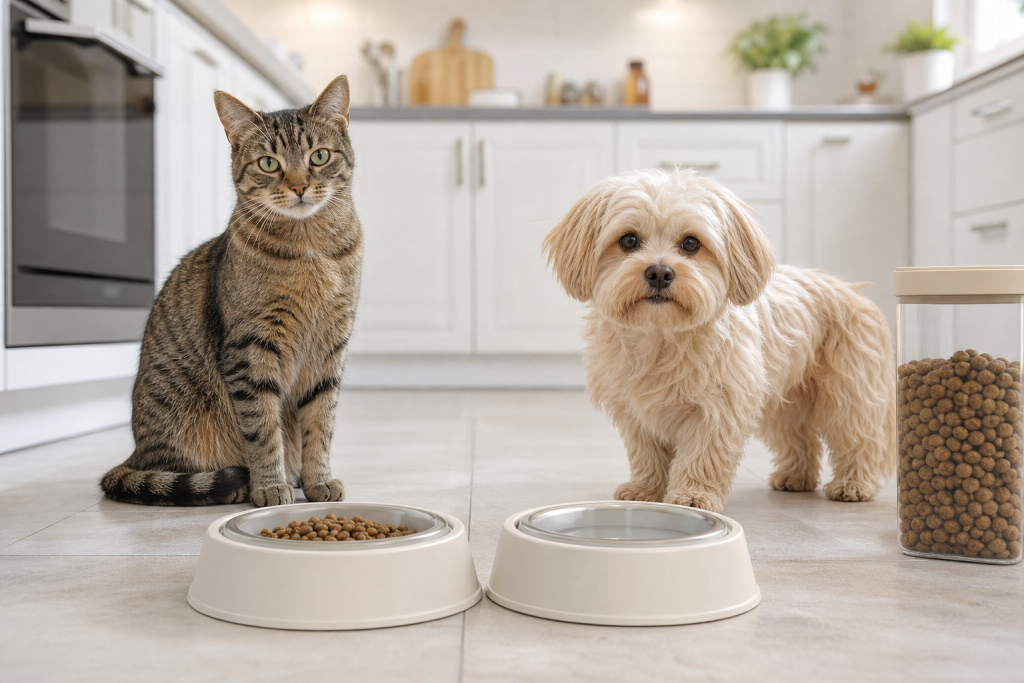
Ant-proof pet bowls usually use one of three ideas: a water moat around the food area, a raised rim that ants have trouble crossing, or a stand that separates the bowl from the floor. Some are sold for indoor cats. Others target small dogs, patio feeding, covered porches or managed community-cat feeding stations.
The seasonal appeal is obvious. Dry kibble, wet food residue and treat crumbs can attract ants, especially near doors, patios and garages. But the bowl is only one part of the setup. The FDA’s pet food handling guidance says pet food bowls and scooping utensils should be washed with soap and hot water after each use, and hands should be washed before and after handling pet food and treats. A bowl that blocks ants but stays dirty is not a smart upgrade.
The buying checks that matter
Start with the food area, not the outer footprint. Many ant-proof bowls look wide because the moat or tray takes space, while the actual eating section is modest. Check the listed cup or ounce capacity, then compare it with your pet’s normal meal size. For wet food, make sure the usable center bowl is wide enough that your cat’s whiskers or your dog’s nose are not pushed into the rim.
Next, look at the ant barrier. A water moat can work only when it holds enough water and stays level. If the moat is tiny, evaporates quickly, tips when nudged or collects food crumbs, it may become another part you have to clean instead of a simple fix. A raised-rim or waterless design avoids standing water, but you should still check whether ants can reach the food through a removable insert, rubber foot, seam or gap.
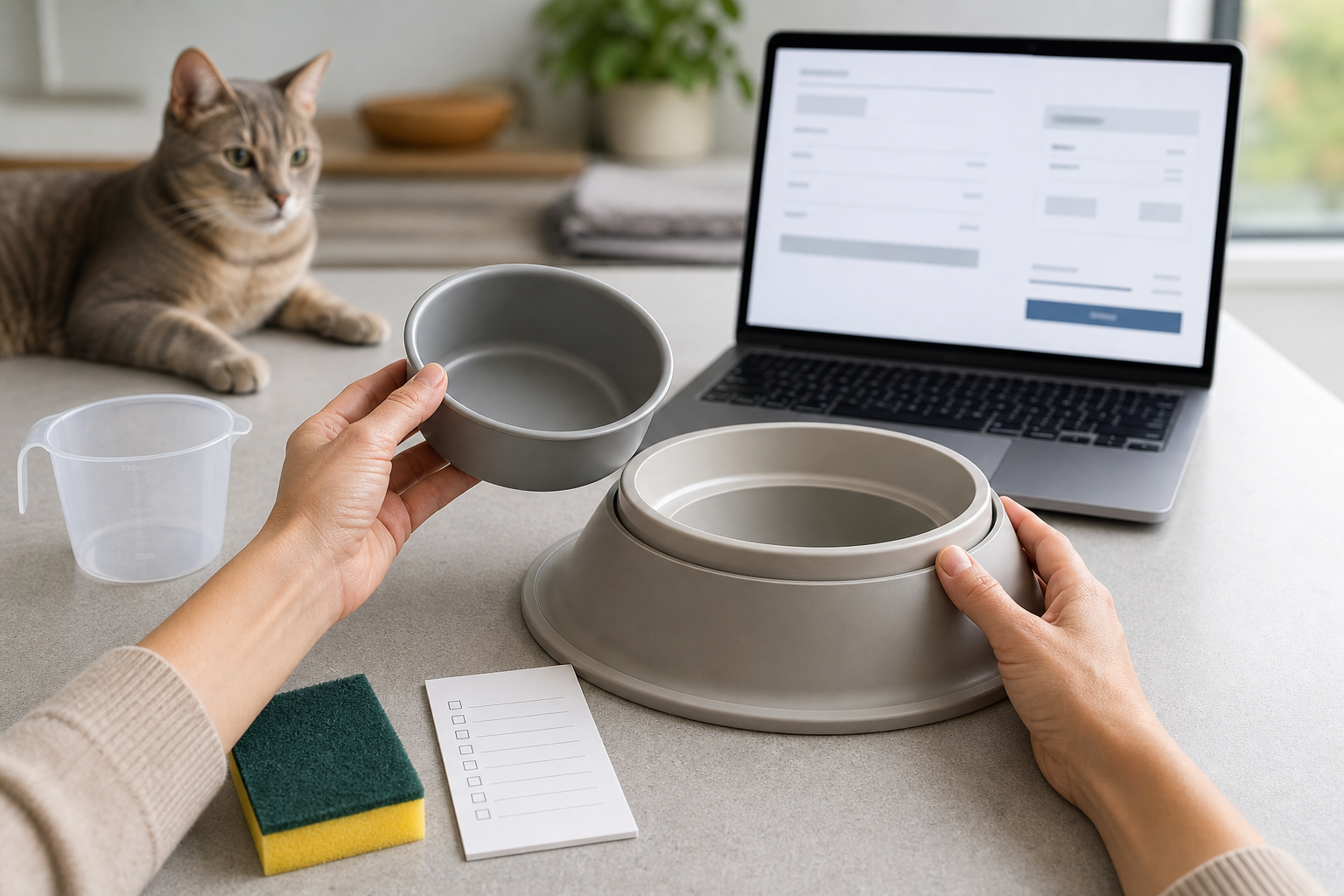
Then check cleaning access. The best-looking deal is not useful if the moat, insert or rubber ring traps old food. Dishwasher-safe can be helpful, but read the listing closely: sometimes only the stainless insert is dishwasher-safe, while the outer tray or non-slip ring must be hand-washed. If you feed wet food, raw-coated kibble or toppers, choose a design with smooth surfaces and removable parts you can scrub fully.
For cats, comfort can beat the gadget
Cats can reject a feeding setup for reasons that look minor to humans. A deep rim, narrow food well, wobbly tray or water moat close to the eating area can make some cats avoid the bowl. That does not mean the product is bad. It means the return window matters.
If your cat is already picky, avoid buying a multi-pack first. Try one bowl in the usual feeding spot and keep the old dish available during the transition. Watch whether your cat eats normally, paws at the moat, drags food out, or leaves more food behind than usual. A deal is not a deal if it pushes you into changing food, adding toppers or replacing the bowl again.
For dogs, check stability and size
Small dogs may do well with compact ant-proof bowls, but larger dogs can turn a lightweight tray into a spill problem. Look for a broad base, non-slip feet and a food bowl that is not too shallow. If your dog eats quickly, an ant-proof bowl is not the same as a slow feeder. You may need a separate slow-feeding solution, or a larger bowl that does not make gulping worse.
Outdoor use also changes the checklist. A bowl placed outside should sit in shade, away from standing water and away from places where pests are already nesting. Do not leave wet food out for long periods just because the bowl has an ant barrier. Clean up leftovers promptly, wash the dish, and store pet food in a sealed container according to the product label.
Deal and checkout mistakes to avoid
Before paying, compare the total cost against a plain stainless bowl plus a washable feeding mat or tray. Ant-proof designs often cost more because of the outer barrier, but that extra cost is only worthwhile if it reduces food waste, cleaning time or pest frustration in your home.
- Check the seller. Marketplace listings can change sellers, materials and return handling. Prefer clear product photos, dimensions and care instructions.
- Read the size twice. Outer dimensions do not tell you meal capacity. Look for the actual bowl volume.
- Confirm return terms. A bowl that your cat refuses or your dog tips over should be returnable within a reasonable window.
- Watch bundled “deals.” Two-packs and four-packs can be useful, but only after you know the design works for your pet.
- Do not trust vague material claims. Look for dishwasher-safe details, food-contact material information and whether rubber or silicone parts are removable.
Safety and cleaning notes
An ant-proof bowl should not be used as a reason to leave food out indefinitely. The FDA recommends washing pet food bowls and scooping utensils with soap and hot water after each use. If you use a water moat, empty and wash it often so it does not collect slime, hair or food dust.
Be careful with household insecticides near feeding areas. If ants are coming from a wall, doorway or patio crack, move the feeding station and address the source in a pet-safe way. Do not place baits, sprays or powders where a pet can lick, chew or step in them. If your pet has vomiting, diarrhea, appetite changes or sudden bowl avoidance, treat that as a reason to call your veterinarian, not as a bowl-shopping problem.
Fast answers
Are ant-proof pet bowls worth buying?
They can be worth it if ants are reaching a specific feeding spot and the bowl is easy to clean, stable and properly sized. They are less useful if the real issue is food left out too long, an unsealed pet food bag, or ants entering from a nearby nest.
Is a water-moat bowl better than a waterless ant-proof bowl?
Not always. Water moats can be effective, but they need refilling and cleaning. Waterless designs may be simpler indoors, but the barrier shape still has to stop ants without making the bowl awkward for your pet.
Can I use one for wet cat food?
Yes, if the food well is wide enough, the parts wash fully, and you remove leftovers promptly. Wet food residue can attract pests and bacteria, so cleaning matters more than the anti-ant claim.
Should I buy a multipack?
Only after testing the design. Cats and dogs can be surprisingly specific about bowl height, rim shape and stability.
Sources
Last checked: July 7, 2026, 16:34 Europe/Rome.
- FDA, Tips for Safe Handling of Pet Food and Treats.
- Amazon, ant-proof cat food bowl shopping results, used only as a current retail-demand signal.
- Walmart, cat food bowls that keep ants out, used only as a current retail-demand signal.
- Chewy, example anti-ant stainless steel dog and cat bowl listing, used for product-feature context, not as a recommendation.
- Alley Cat Allies, ant-proof bowl recommendations, used for outdoor/community-cat feeding context.