
#cat tracker
#dog activity tracker
#pet fitness tracker
#pet tech
#smart collar
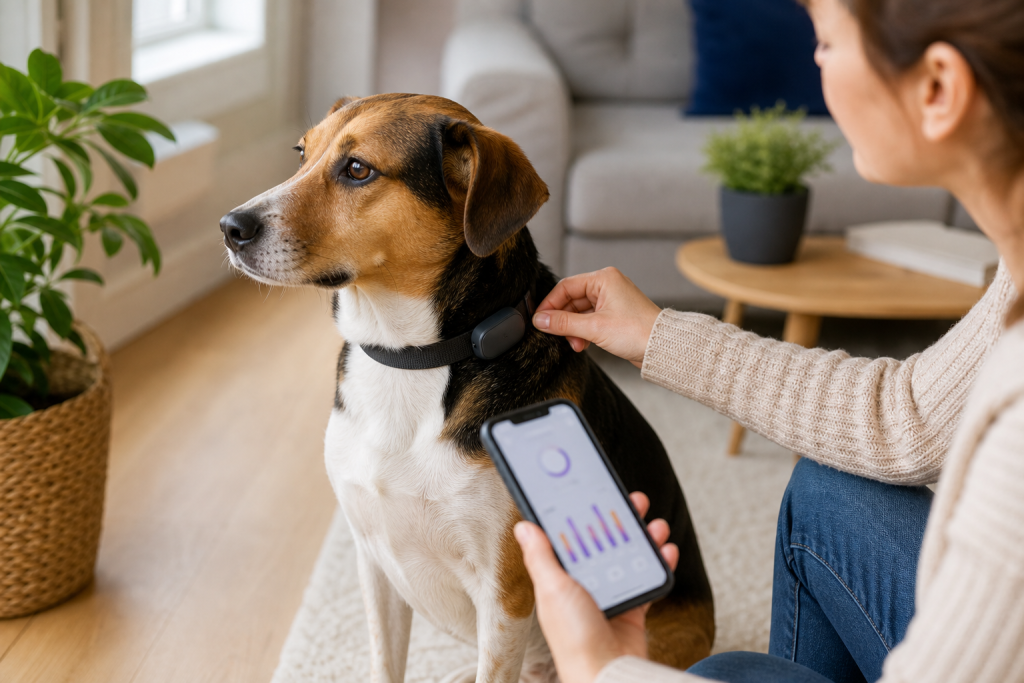
A pet fitness tracker deal can cost more than the collar when the subscription, replacement parts, app support and data limits are hidden until after checkout. The device can still be useful, especially for spotting activity changes and building better routines, but it should not be treated like a diagnosis tool. Before buying one on sale, compare the total cost and decide what problem you actually need it to solve.
Why This Matters Now
Pet wearables are moving beyond simple location tracking. Newer collars and clip-on trackers often promise activity scores, sleep trends, escape alerts, health dashboards or AI-style behavior insights. That makes them tempting during summer sales, when dog walks, travel, boarding and weight-management goals are already on many owners’ minds.
The useful question is not whether pet tech is good or bad. It is whether the device you are about to buy will still be useful after the first discount disappears. A cheap tracker can become expensive if it needs a paid plan per pet, uses a battery you have to charge constantly, does not fit your collar, or depends on an app the manufacturer may not support for long.
The First Checkout Split: GPS Tracker or Activity Tracker?
Do not compare every pet tracker as if it does the same job. A GPS tracker is mainly for location and escape alerts, so a cellular or network plan is often part of the product. An activity-focused tracker may be more about movement, sleep and trend data, which can matter for routine building but may not help you find a lost pet.
That difference changes the deal math. Tractive, for example, states that its tracker needs a subscription, and its plan page says each plan is tied to a single tracker. FitBark describes its device around activity, sleep and health-alert style monitoring. Those are different buying decisions, even when both products sit in the same “smart collar” search results.
Before you pay, write down the one feature you would be disappointed to lose. If the answer is “find my dog if he escapes,” focus on coverage, live tracking, battery and subscription terms. If the answer is “notice whether my dog is moving less,” focus on comfort, charging, data export, app clarity and whether your vet would find the trend useful.
What the Activity Score Can and Cannot Tell You
A tracker can make patterns easier to see. It may show that your dog is less active than usual, that a cat is resting more, or that a new routine is increasing daily movement. That is helpful shopping context, not a medical conclusion.
The American Veterinary Medical Association says activity is part of supporting a healthy weight, and it points owners toward practical exercise goals for dogs and cats. It also frames weight and activity as something to discuss with a veterinarian, especially when a pet has health conditions or needs weight loss. A wearable can support that conversation, but it should not replace an exam or turn a dashboard alert into a diagnosis.
Check the Real Cost Before the Sale Badge Wins
The sale price is only the first line. Check the total cost over the period you realistically expect to use the tracker, not just the hardware discount.
- Subscription: Is a plan required, optional or only required for GPS? Is it charged monthly, yearly or for multiple years upfront?
- Per-pet pricing: If you have two pets, confirm whether each tracker needs its own plan.
- Replacement risk: Check what happens if the tracker is lost, chewed, stolen, damaged or out of warranty.
- Battery and charger: Look for the stated battery life in the mode you will actually use, not just the longest advertised scenario.
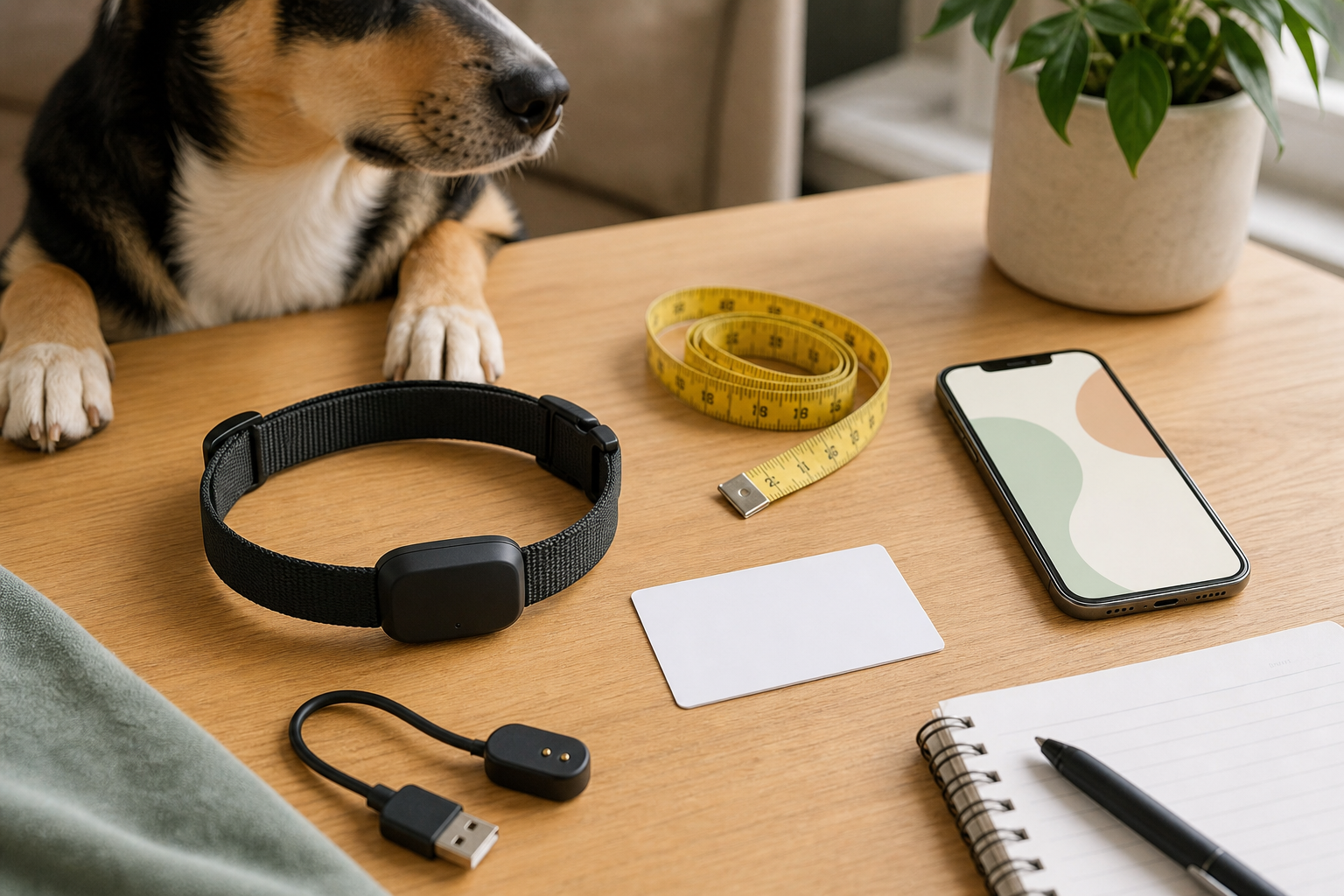
- Collar fit: Confirm weight, attachment width, breakaway needs for cats, and whether the tracker works with your pet’s current collar or harness.
- Returns: Read whether opened electronics, subscriptions, activation fees or bundled plans are refundable.
The Privacy and App-Support Question Owners Skip
Pet trackers can collect location, movement patterns, household routines and account data. That does not mean you should avoid them automatically, but it does mean a “smart” device belongs in the same privacy checklist as any other connected product in your home.
The Federal Trade Commission has warned that many smart-product pages it reviewed did not clearly tell shoppers how long software updates would continue. The FCC’s U.S. Cyber Trust Mark is a voluntary program meant to help shoppers identify wireless connected devices that meet cybersecurity criteria, but it does not remove the need to read the product’s own support and privacy terms.
Before buying, look for plain answers to four questions: how long software and security updates are promised, whether two-factor authentication is available, what data is shared with third parties, and what happens to your data if you cancel the plan or sell the device.
When a Deal Is Actually Useful
A pet fitness tracker deal is useful when the discount applies to the product you were already going to buy, the plan cost is clear, and the return window gives you enough time to test fit, charging and app setup. It is also more useful when the device solves a real problem, such as checking whether a new walking routine is consistent, tracking a pet that has escaped before, or sharing activity trends with your vet.
A deal is weaker when the headline price hides a required plan, the battery life depends on limited tracking mode, or the device is too bulky for the animal wearing it. For cats, pay special attention to collar safety and weight. For small dogs, check whether the module changes how the collar sits on the neck.
What to Avoid
Avoid buying a tracker only because the app uses medical-sounding language. “Health insights” and “activity trends” are not the same as a veterinary diagnosis. Also avoid used or open-box trackers unless you can confirm the account can be released, the battery still holds charge, the subscription can be activated in your country, and the return policy covers a failed setup.
Be cautious with bundles that include a long prepaid plan if you have never tried the hardware on your pet. The better first purchase may be a shorter plan or a retailer with a clearer return path, even if the upfront discount looks smaller.
Quick Answers
Do all pet fitness trackers need a subscription?
No. Some activity-focused devices may work without a cellular plan, while GPS trackers commonly need a subscription for live location features. Check the exact model, not just the brand name.
Can a pet tracker tell me if my dog or cat is sick?
It can show changes in activity, sleep or routine, but it cannot diagnose your pet. Use unusual changes as a reason to observe carefully and contact your veterinarian when something seems off.
Is a GPS pet tracker better than an AirTag-style tag?
They solve different problems. GPS trackers are built for location tracking across wider areas but often need a plan and charging. Bluetooth item trackers can be cheaper, but they depend on nearby device networks and are not the same as live GPS pet tracking.
What should I check first in a pet tracker sale?
Check whether the subscription is required, whether the device fits your pet safely, how long the battery lasts in real use, and whether you can return both the hardware and any bundled plan if setup fails.
Sources
Last checked: 2026-07-07 01:34 Europe/Rome.
- Tractive pet GPS tracker product information
- Tractive subscription plans
- FitBark 2 activity monitor product information
- American Veterinary Medical Association, your pet’s healthy weight
- Federal Trade Commission, smart product software update disclosures
- Federal Communications Commission, U.S. Cyber Trust Mark
- The Guardian, expert debate on pet fitness trackers