
#houseplants
#pet safety
#pet-safe plants
#plant toxicity
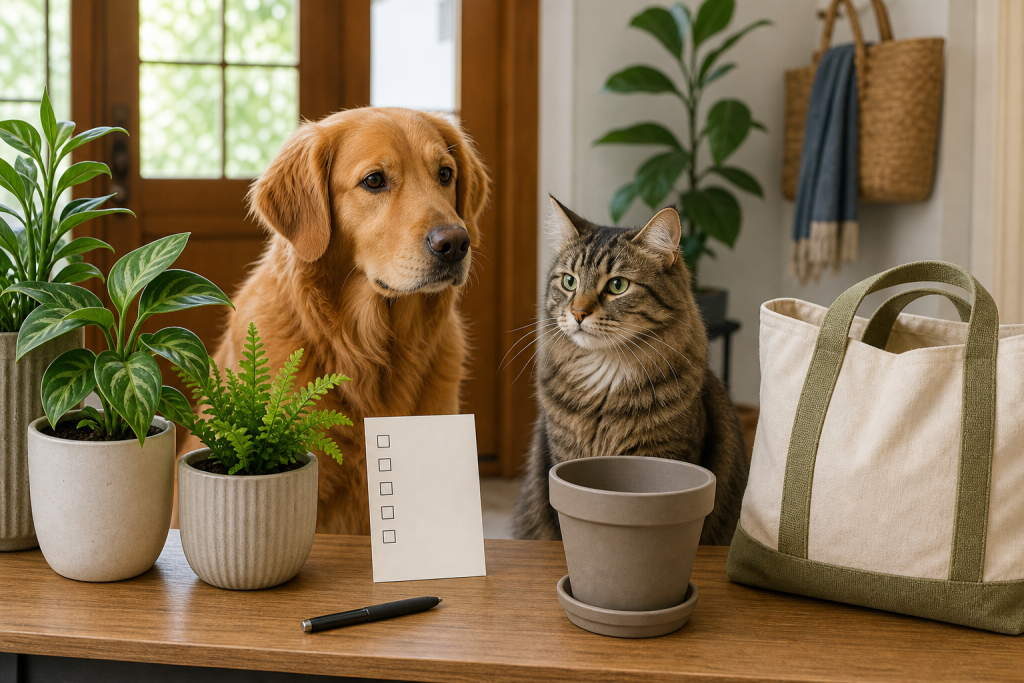
A cheap houseplant is not a good deal if you cannot confirm its real plant name and whether it is safe around your dog or cat. Before checkout, treat the label as a starting point, not proof: compare the common name and scientific name against a reliable poison-control source, then decide whether the plant can be kept out of reach. If a pet has already chewed or swallowed a plant, skip the shopping research and call your veterinarian or an animal poison hotline.
Why This Matters Right Now
Houseplants, patio pots and garden-center deals are easy impulse buys in summer. They also create a quiet pet-shopping problem: many shelf tags are written for plant care, decor style or sunlight needs, not for dog and cat safety.
People reported on July 16, 2026, that a dog owner in England is pushing for clearer plant toxicity labels after her Chihuahua reportedly became seriously ill after eating hosta. One news story should not make every shopper panic, but it is a useful reminder that a plant can look harmless and still be a bad buy for a home with pets.
The ASPCA’s toxic and non-toxic plant list includes more than a thousand entries and warns that its database is not all-inclusive. That matters at checkout because the plant on the shelf may have a nickname, cultivar name or incomplete tag that does not match the name you search later.
The Checkout Check Before You Buy
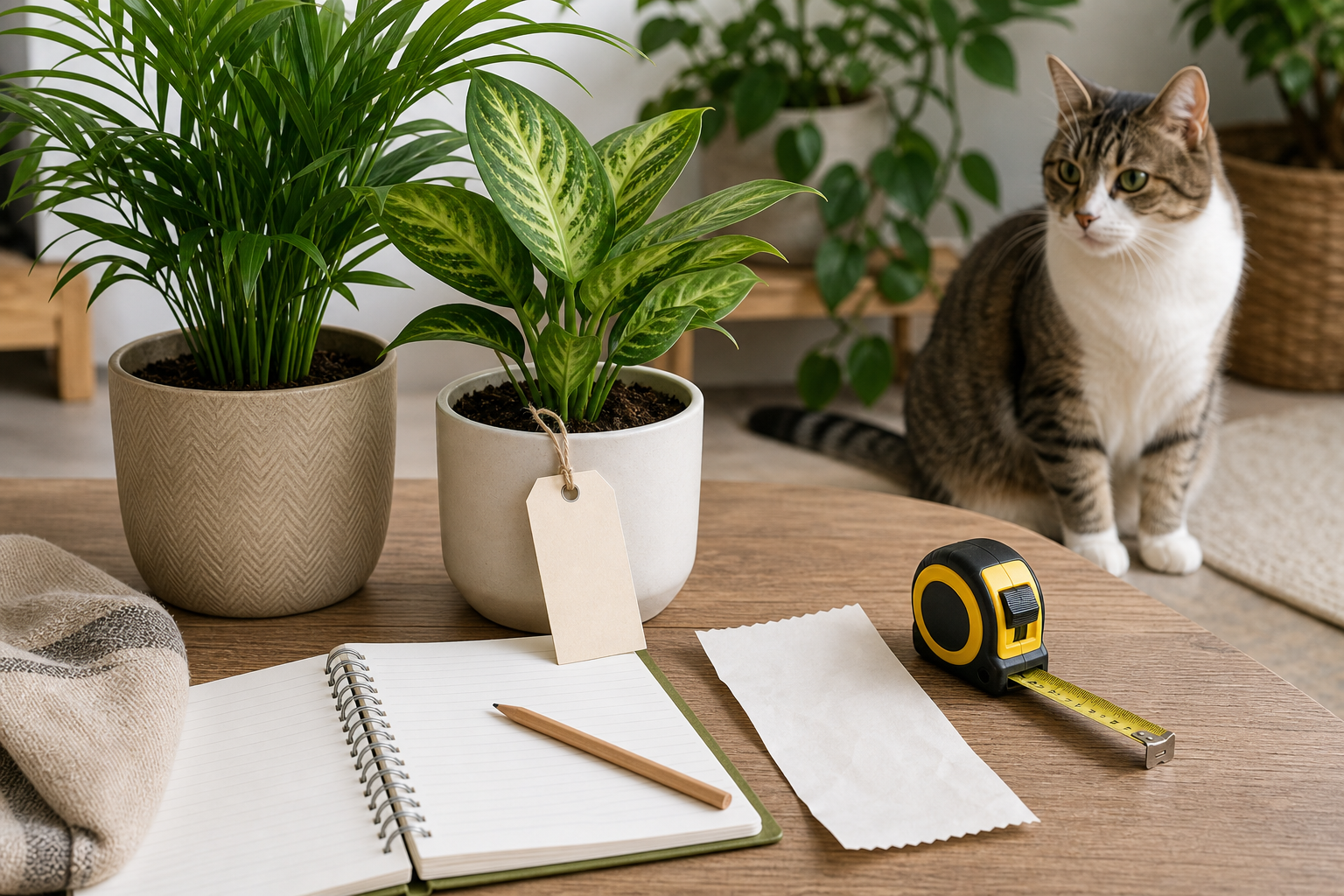
Start with the exact name. A tag that says “tropical foliage,” “mixed succulent” or “indoor green plant” is not enough for a pet household. Look for the common name and the scientific name, then compare both with a reliable source such as the ASPCA plant database.
Check the species filter, too. A plant can be a bigger concern for cats than dogs, or the other way around. Lilies are the classic example for cat owners, but the larger lesson is simple: do not assume “pet-friendly” means safe for every pet in the home.
Then think about the way your pet actually behaves. A tall shelf is not a safety plan for a cat that climbs. A hanging basket is not enough for a dog that jumps at leaves near a window. If your pet chews plants, digs in soil, drinks from saucers or knocks pots down, a questionable plant should not ride home just because it is marked down.
Finally, check the return policy before paying. Some retailers treat live plants differently from ordinary pet supplies, and clearance plants may have stricter rules. If you cannot verify the plant name in the aisle, a flexible return window matters.
What A Plant Deal Should Include
- A complete plant name: common name, scientific name or a scannable nursery tag that leads to a real plant profile.
- Pet-specific checking: dog and cat toxicity checked separately, especially in multi-pet homes.
- Placement plan: a spot your pet cannot realistically reach, not just a nice-looking corner.
- Pot and soil check: no loose fertilizer spikes, cocoa mulch, sharp decorative stones or easy-to-tip planters.
- Return terms: clear rules for live plants, sale plants and online nursery shipments.
The Deal And Coupon Angle
A coupon can make the wrong plant feel easier to justify. Do the safety check before you let a percent-off code, bundle price or free-shipping threshold decide the cart.
For online orders, look for the exact plant that will ship, not a general product family. “Assorted houseplant” or “grower’s choice” can be a poor match for pet owners because you may not know the final species until it arrives. If the seller cannot name the plant in advance, the deal is weaker than it looks.
For in-store clearance racks, inspect the tag before the plant goes into your basket. If the tag is missing, take a clear photo and ask staff for the exact plant name. If nobody can identify it confidently, leave it behind or buy a known pet-safer alternative from a source you can verify.
What To Avoid
Avoid buying plants based only on a social post, decor trend or vague “safe” sticker. Also avoid assuming that a plant app, barcode scanner or marketplace description is enough after a possible exposure. Apps and labels can help with preparation, but they are not emergency advice.
Do not wait for symptoms to decide whether a swallowed plant matters. Pet Poison Helpline tells owners not to give home antidotes or induce vomiting without professional guidance. ASPCA Poison Control likewise directs owners to contact a veterinarian or poison hotline if an animal may have ingested a poisonous substance.
If you already own the plant and cannot identify it, move it away from pets while you verify it. Take photos of the whole plant, leaves, flowers, tag and pot, then keep those photos available in case you need professional help.
Quick Answers
Is a “pet-safe” plant label enough?
Not by itself. Use it as a clue, then verify the exact plant name against a reliable dog and cat toxicity source.
Are non-toxic plants always harmless?
No. The ASPCA notes that eating plant material can still cause vomiting or gastrointestinal upset. Non-toxic usually means the plant is not expected to cause the same systemic poisoning risk, not that chewing it is a good idea.
Should I buy assorted plant boxes if I have pets?
Only if the seller lists the exact plants in advance or lets you choose. Mystery boxes and assorted bundles are harder to check before they enter your home.
What should I do if my pet ate a plant?
Call your veterinarian, ASPCA Poison Control or Pet Poison Helpline. Keep the plant, tag and photos available so the professional can identify what your pet may have eaten.
Sources
- People, “Cooper the Chihuahua Nearly Died After Eating This Common Plant. Now, His Owner Is Pushing for Stores to Warn Pet Owners.”
- ASPCA, Toxic and Non-Toxic Plants.
- ASPCA, Animal Poison Control Center.
- Pet Poison Helpline, 24/7 Animal Poison Control Center.
- VCA Animal Hospitals, Top 10 Pet Poisons.
Sources last checked: 2026-07-16 19:35 Europe/Rome.