
#cat litter deals
#natural cat litter
#plant-based litter
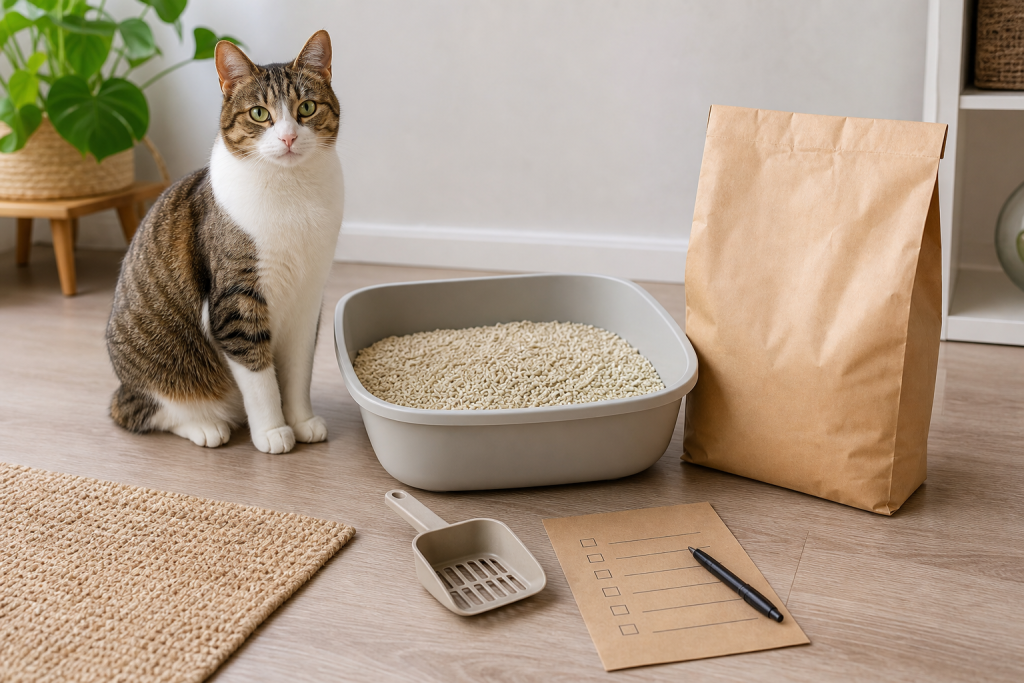
A natural cat litter deal can fail if you buy a large bag before your cat accepts the new texture. Plant-based litters can be lower-dust and easier to lift than some clay formulas, but the real saving depends on clumping, tracking, odor control, transition time and whether the cat keeps using the box.
That matters now because natural cat litters are getting fresh attention from shoppers looking beyond clay and silica. A recent Business Insider update tested natural litter types including corn, cassava, wood, walnut, wheat, grass and pine pellet formulas, and it still warned that some cats are hesitant with unfamiliar litter. The smart buy is not the biggest bag with the greenest claim. It is the smallest workable test that proves your cat, your scoop and your home can live with it.
Why the cheapest natural litter deal can be misleading
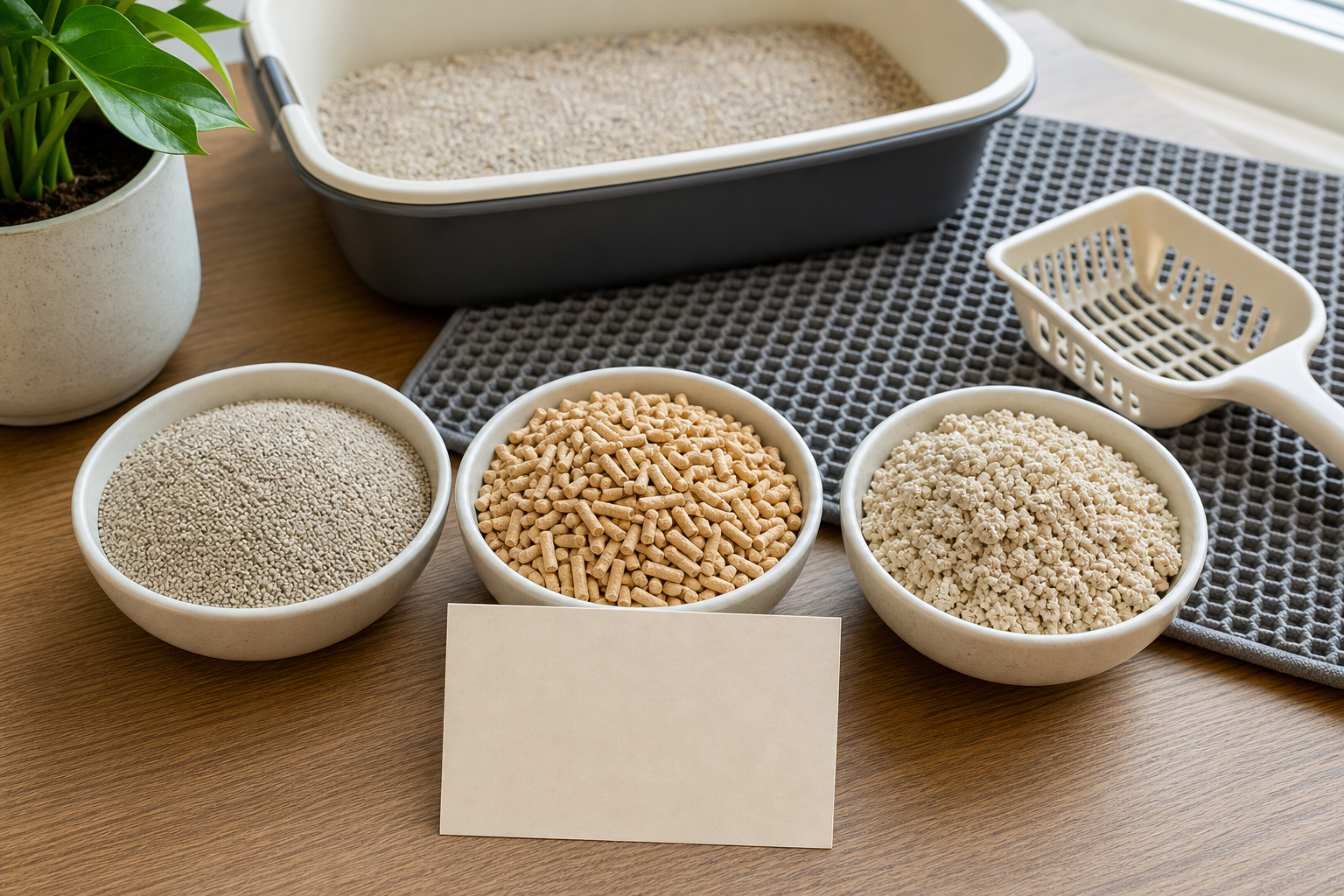
Natural litter is a broad aisle, not one product. Corn and cassava blends may clump tightly but track. Wood can control odor well but may break apart when scooped. Walnut, wheat, grass and pine can each feel different under a cat’s paws. The label may say natural, low-dust, biodegradable or lightweight, but none of those words guarantee your cat will prefer it.
AAHA and AAFP guidance says individual litter preferences are documented, and that offering different litters in separate boxes can help test a cat’s choice. The same guidance notes that unscented clumping litter may be preferred for cats with a history of urinary problems, and boxes should be scooped daily. If your cat has urinary signs, pain, house-soiling or a sudden litter-box change, treat the purchase as secondary and ask your veterinarian what to rule out first.
The transition cost shoppers forget
The hidden cost is not only the bag price. It is the old litter you need to keep on hand while you test the new one, the extra box if you offer a side-by-side choice, the mat if tracking gets worse and the replacement bag if your cat refuses the new texture.
A 2022 open-access study looked at adult cats moving from clay-based litter to a plant-based litter over six days. The results suggested that a six-day transition was enough to maintain normal litter-box behaviors in that study, but the authors also noted that individual cat behavior and household stressors matter. That is a useful shopping lesson: buy enough for a careful transition, not so much that a failed switch becomes a storage problem.
What to check before checkout
- Texture: Fine-grained litter may feel more familiar than large pellets. If your cat dislikes pellets, the deal is already weak.
- Scent: Choose unscented first unless your veterinarian or behavior professional has a specific reason to do otherwise.
- Clumping: A cheaper bag can waste more if clumps crumble and spread damp litter through the box.
- Tracking: Lightweight natural litters can leave more material outside the box. Add the cost of a mat if reviews consistently mention tracking.
- Dust: “Low dust” is not the same as dust-free. Look for owner photos and negative reviews, not only headline claims.
- Bag size: Trial sizes or smaller bags are safer for a first switch, even when the unit price is worse.
- Return terms: Check whether opened litter is returnable. Many pet products are treated differently once opened or used.
How to judge a natural litter deal
Compare the cost per week, not only the cost per pound. A denser litter, a tighter clump and a cat who uses the box reliably can beat a cheaper bag that needs frequent full changes. For multi-cat homes, also compare how fast odor builds between scoops.
Autoship can help only after the litter has passed the trial. Before turning on repeat delivery, check the first-order discount cap, the recurring discount, the cancellation window and whether the price can change between shipments. Do not set a large recurring order until you know the real refill pace.
Do not rely on the flushable claim
Some natural litters are marketed as flushable, but that does not mean flushing is the best disposal plan for every home or area. Plumbing age, septic systems, local wastewater rules and cat feces safety all matter. The CDC advises changing the litter box daily and washing hands after contact with anything that may be contaminated with cat feces. Bagging and trash disposal is often the simpler, lower-risk default unless your local rules and plumbing clearly support flushing.
What to avoid
Avoid buying a jumbo natural litter bag because a sale badge looks strong. Avoid switching every box in the house on the same day. Avoid heavily scented formulas if your cat is already picky. Avoid assuming “plant-based” means low tracking, better odor control or safer for every cat. And avoid using a new litter to explain away sudden box avoidance without considering a veterinary check.
Quick answers
Is natural cat litter always cheaper than clay?
No. Some natural litters cost more per pound, but may last longer if clumps stay intact and odor control holds up. Others lose value through tracking, weak clumps or cat rejection.
Should I switch all litter boxes at once?
Usually no. A slower transition or side-by-side test is safer because cats can have strong substrate preferences.
Is grass litter a better first natural litter?
It can be worth testing if your cat likes fine textures, but do not assume it will beat corn, wood, walnut or clay in your home. Start small.
Can I flush natural litter?
Only if the product instructions, your plumbing, septic or sewer rules and local disposal guidance all support it. When in doubt, bag waste for trash disposal.
Sources
- Business Insider, “The best natural cat litters,” updated July 15, 2026.
- AAHA, 2021 AAHA/AAFP Feline Life Stage Guidelines, General Litter Box Considerations.
- Animals, “The Behavioural Impact on Cats during a Transition from a Clay-Based Litter to a Plant-Based Litter,” 2022.
- CDC, “About Toxoplasmosis,” updated March 11, 2025.
Sources last checked: July 16, 2026, 04:36 Europe/Rome.