
#guaranteed analysis
#pet food costs
#pet food labels
#wet pet food
A wet-food deal can look cheaper than it is when you compare the front of the can to the front of a kibble bag. The catch is water: guaranteed analysis numbers are listed as-fed, so wet food and dry food are not equal until moisture and calories are counted. Before you switch, compare daily feeding cost, calories and the nutritional adequacy statement, not just protein percentage or case price.
Why this matters now
Pet food is still one of the bills owners keep rechecking. FRED’s Bureau of Labor Statistics series for pet food and treats shows the June 2026 index above May 2026, and PetfoodIndustry reported in July that retail pet food prices had eased only slightly from an early-2026 record level.
That makes wet-versus-dry comparisons tempting. A case of cans may be on promotion, a large kibble bag may unlock free shipping, or a variety pack may look safer for a picky pet. The mistake is treating all label percentages like they mean the same thing in the bowl.
The label number that tricks shoppers
The FDA explains that pet food labels list guaranteed analysis on an as-fed basis, meaning moisture is included. It also notes that canned pet food is typically much higher in moisture than dry food. AAFCO says guaranteed analysis labels must include minimum crude protein and fat, plus maximum crude fiber and moisture.
That is useful information, but it is easy to misread. A wet food with a lower protein percentage on the label may not be lower in protein once water is removed from the comparison. A dry food with a higher front-panel number may still be more expensive per day if the feeding amount is larger or the calories do not fit your pet’s needs.
A smarter checkout comparison
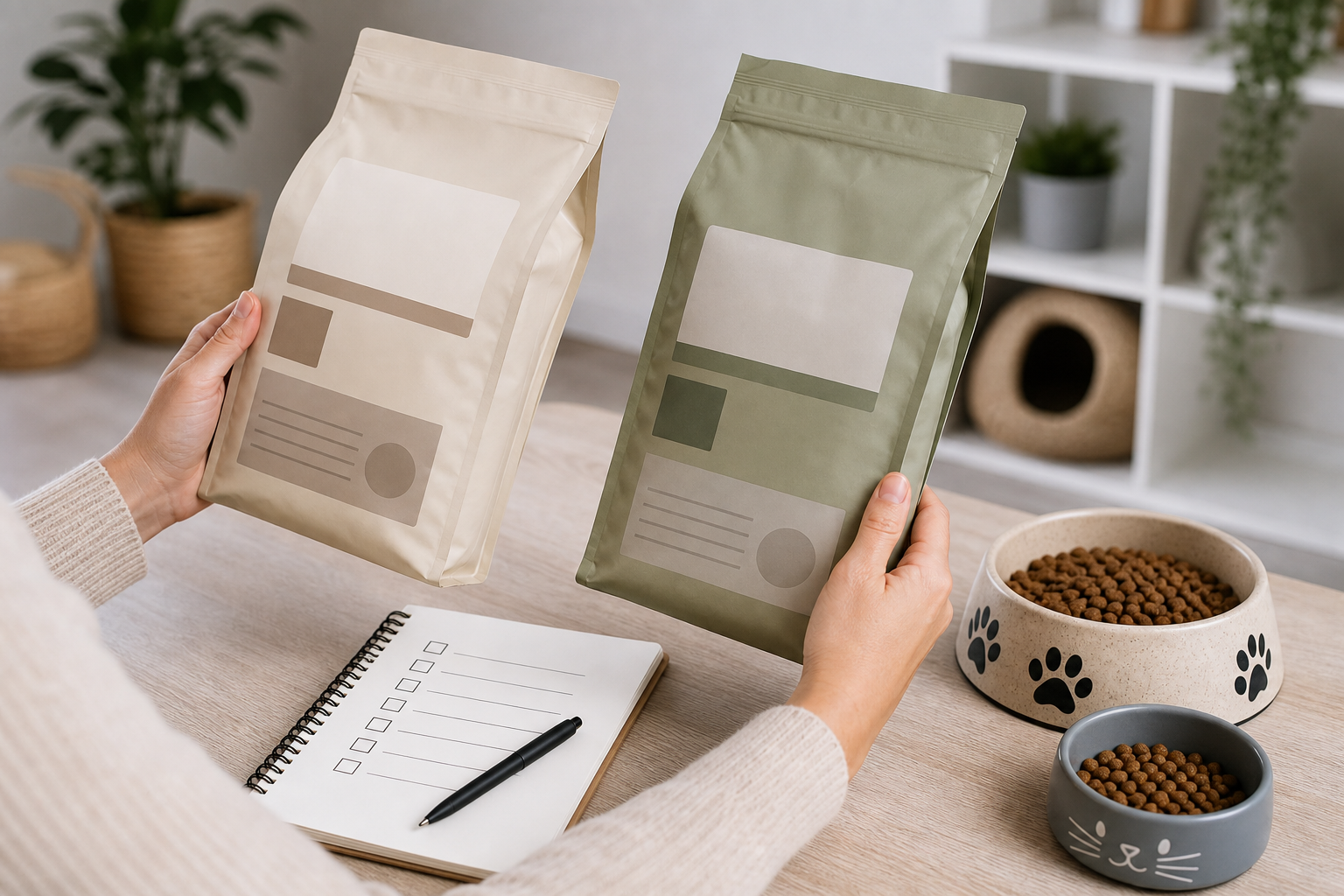
Use this order before buying a bigger bag or a multi-case deal:
- Check the species and life stage. Look for the nutritional adequacy statement. Food for growth, all life stages, maintenance or supplemental feeding can have very different use cases.
- Find the calories. Merck Veterinary Manual notes that labels include caloric content, usually as kcal per kilogram and per familiar household unit, such as a cup or can.
- Estimate days, not units. Divide the bag, tray or case by the feeding guide for your pet’s current weight and body condition. If your vet has given a different feeding target, use that instead.
- Compare wet and dry on moisture-aware terms. If nutrition is the deciding factor, ask your vet how to compare foods on a dry matter basis. If cost is the deciding factor, compare estimated cost per day.
- Count waste risk. A food that your cat refuses, your dog cannot tolerate or your household cannot store safely is not cheaper because the case price was low.
Where the deal can disappear
Pet-food promotions often reward bigger carts. That can be useful for a stable food your pet already eats, but it can punish experimentation. Before paying, verify the return policy for opened food, the shipping threshold, subscription terms, eligible flavors and whether the discount applies only to the first Autoship or repeat order.
Also check the unit that the retailer displays. Price per pound, price per ounce, price per can and price per serving can all tell different stories. For wet food, a low price per can can still be a high daily cost if your pet needs several cans. For dry food, a cheap large bag can lose value if the food goes stale before you finish it.
What to avoid
- Do not switch only because the protein number looks higher. Moisture changes the comparison, and your pet’s age, health and calorie needs still matter.
- Do not buy a prescription or veterinary diet substitute based on a deal page. Ask your vet before changing therapeutic food.
- Do not stock up on a brand-new texture. Try a smaller quantity first, especially for cats that may reject pate, shreds, chunks or gravy.
- Do not ignore storage. Large bags need tight closure and recall-code access. Open cans need refrigeration and quick use according to the label.
- Do not assume a coupon applies to every flavor. Multi-packs, marketplace sellers, pharmacy items and subscription-only offers often have exclusions.
Fast label math before you reorder
Take the cart total after discounts, shipping and tax estimates. Divide it by the number of days the food should last under the feeding guide. Then compare that daily number with your current food. If the new option is only cheaper because the first order is discounted, set a reminder to check the second order before Autoship runs.
If you are changing from dry to wet, wet to dry, raw to cooked, kitten or puppy food to adult food, or a standard food to a veterinary diet, do not make the decision from deal math alone. Use the label to narrow choices, then ask your vet when health, growth, weight or medical conditions are involved.
Quick answers
Is wet pet food always more expensive?
Not always, but it often costs more per day because you may need more containers to meet the same calorie target. Compare daily feeding cost, not just the can price.
Can I compare crude protein percentages directly?
Not between foods with very different moisture levels. The FDA says label guaranteed analysis is as-fed, so wet and dry foods need a moisture-aware comparison.
What is the best number for checkout?
For shopping, cost per feeding day is usually the most practical number. For nutrition, use the adequacy statement, calories and your vet’s guidance.
Sources
Sources last checked July 28, 2026, 04:34 Europe/Rome.
- FDA, Complete and Balanced Pet Food.
- AAFCO, Nutritional Labeling.
- AAFCO, Reading Labels.
- Merck Veterinary Manual, Dog and Cat Foods.
- FRED, Federal Reserve Bank of St. Louis, Consumer Price Index for Pet Food and Treats.
- PetfoodIndustry, Pet food: comparing the CPI to the PPI.